Could Humans Live on Mars? A Complete Beginner Guide
For centuries, humans have looked up at the night sky and wondered whether life could exist on other planets. Today, that dream is transforming into a real scientific mission: exploring whether humans could one day live on Mars.
Mars is the closest planet where long-term human survival might be possible. With growing interest from NASA, SpaceX, and international space agencies, the idea of a Martian settlement is no longer science fiction — it’s a realistic future goal.
This beginner-friendly guide explains everything you need to know about living on Mars: the challenges, requirements, potential solutions, and what future human life on the Red Planet might look like.
⭐ 1. What Makes Mars a Candidate for Human Life?
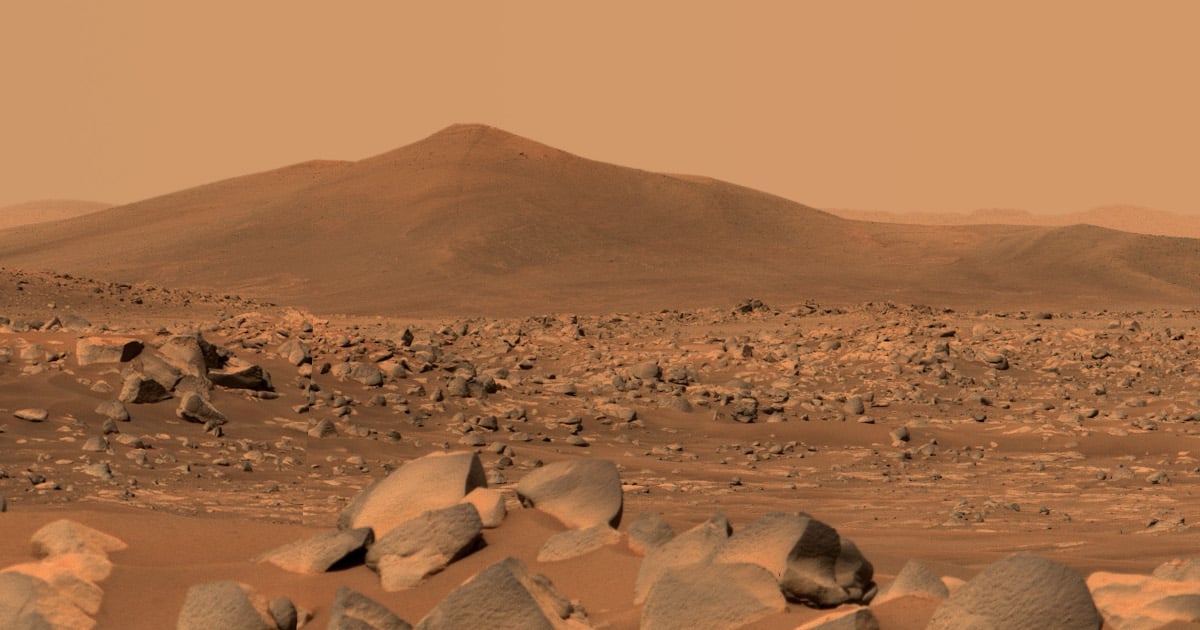


Mars is the most Earth-like planet in our solar system, but it is still extremely hostile. Here’s why it is considered humanity’s best chance for living beyond Earth:
✔ Mars has a day similar to Earth
A Martian day (a “sol”) lasts 24 hours and 37 minutes — easy for human circadian rhythms.
✔ Mars has polar ice
Mars contains water ice, which can be turned into:
-
Drinking water
-
Oxygen
-
Rocket fuel
✔ Mars has land suitable for building
Unlike gas planets, humans can stand and build on Mars’s solid surface.
✔ Mars has sunlight
Though weaker than Earth’s, it can power solar energy systems.
✔ Mars once had rivers and lakes
There’s evidence that Mars was once warmer and wetter, increasing its habitability potential.
⭐ 2. What Makes Mars Dangerous for Humans?
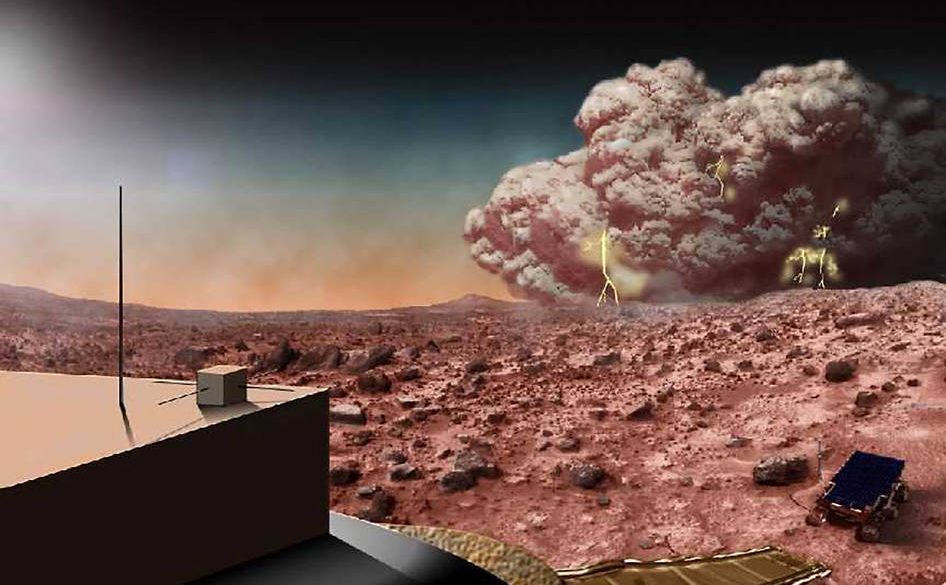


Even though Mars is our best option, it’s far from safe. The planet is extremely harsh:
❌ 1. The Atmosphere Is Too Thin
Mars has less than 1% of Earth’s atmospheric pressure.
This makes it impossible to:
-
Breathe
-
Stay warm
-
Feel protected from radiation
The atmosphere is mostly carbon dioxide (95%), with almost no oxygen.
❌ 2. Extreme Cold Temperatures
Average Mars surface temperature: −63°C (−81°F)
Nighttime temperatures can drop below −100°C.
Humans would freeze instantly without special habitat systems.
❌ 3. Deadly Radiation
Mars has:
-
No magnetic field
-
No thick atmosphere
This exposes humans to cosmic rays and solar radiation, increasing cancer risk drastically.
❌ 4. Toxic Dust
Mars dust contains perchlorates, which are harmful to humans.
The dust is:
-
Electrostatic
-
Extremely fine
-
Able to damage lungs and equipment
Dust storms can last months and cover the entire planet.
❌ 5. Low Gravity
Mars gravity = 38% of Earth’s
Long-term effects may include:
-
Bone loss
-
Muscle atrophy
-
Organ changes
-
Difficulty returning to Earth
⭐ 3. How Can Humans Survive on Mars?


Human survival on Mars requires advanced technology and creative solutions.
🏠 1. Martian Habitats (Homes on Mars)
Humans would need sealed, climate-controlled habitats.
Possible habitat types:
✔ 3D-printed structures using Martian soil
Reduces the need to bring materials from Earth.
✔ Underground habitats
Protects against radiation.
✔ Inflatable pressure domes
Easy to transport and expand.
Inside each habitat, humans need:
-
Oxygen generation systems
-
Temperature control
-
Pressure regulation
-
Air filtration
-
Water recycling
💨 2. Making Oxygen on Mars
Humans cannot breathe Mars’s atmosphere.
One proposed solution is NASA’s MOXIE experiment, which successfully turned Martian CO₂ into oxygen in 2021.
Future missions would scale this method to producing breathable air.
💧 3. Getting Water on Mars
Water can come from:
-
Melting ice
-
Extracting from soil
-
Recycling astronaut wastewater
Water is essential not just for drinking — but for:
-
Growing food
-
Making oxygen
-
Producing rocket fuel (hydrogen + oxygen)
🌱 4. Growing Food on Mars
Food cannot be imported forever.
Martian agriculture will require:
-
Greenhouses
-
LED grow lights
-
Nutrient-enriched Martian soil
-
Hydroponics
Experiments on Earth using simulated Martian soil show plants can grow with added nutrients.
⚡ 5. Energy Production
Mars settlers will need reliable power.
Best options:
✔ Solar power
Most realistic for now.
✔ Nuclear reactors
Provide strong, constant energy.
✔ Wind turbines
Possible during dust storms.
⭐ 4. How Will Humans Travel to Mars?


Currently, the most realistic spacecraft is SpaceX’s Starship — designed to carry up to 100 people to Mars.
Key features:
-
Fully reusable
-
Large cargo capacity
-
Long-duration life support
-
Designed to land on Mars’s surface
NASA is also working on:
-
Orion spacecraft
-
Deep Space Habitats
-
Nuclear-powered propulsion
Travel time: 6 to 9 months each way.
⭐ 5. Could Humans Terraform Mars?


Terraforming means transforming Mars to make it more Earth-like.
This is extremely difficult and may take centuries — if it is possible at all.
Ideas include:
You May Also Read What Are Exoplanets? A Beginner-Friendly Guide (2026 Updated)
✔ Releasing greenhouse gases
To warm the climate.
✔ Adding oxygen-producing bacteria
To slowly thicken the atmosphere.
✔ Melting polar ice
To release water vapor.
Most scientists agree: Terraforming is not possible with our current technology.
But small-scale atmospheric modification could happen in the future.
⭐ 6. What Would Daily Life on Mars Look Like?


A day in a Mars colony might include:
-
Checking life-support systems
-
Repairing equipment
-
Growing crops
-
Conducting scientific research
-
Exploring the surface
-
Staying physically active (to counter low gravity)
Humans would need to live inside habitats almost all the time.
Spacesuits would be required for outdoor activity.
⭐ 7. Could Humans Ever Call Mars “Home”?
Mars colonization is possible — but extremely challenging.
✔ Technology exists to send humans.
✔ Habitats are being tested.
✔ Oxygen production experiments succeeded.
✔ Water ice is available.
✔ Energy solutions are realistic.
But…
❗ Radiation remains a huge obstacle
❗ Long-term health effects of low gravity are unknown
❗ Food production will be difficult
❗ Travel is slow and dangerous
Still, many scientists predict humans will live on Mars within this century.
⭐ 8. Who Will Get to Mars First?


Leading candidates:
🚀 SpaceX
Elon Musk’s Starship program aims to send cargo missions this decade.
🚀 NASA
Working on a long-term plan for the 2030s.
🚀 China
Ambitious plans to send humans by mid-century.
🚀 International partnerships
Similar to the International Space Station.
⭐ 9. Why Mars Colonization Matters for Humanity
Living on Mars helps humanity:
✔ Prevent extinction (backup planet)
✔ Expand scientific knowledge
✔ Advance technology and engineering
✔ Inspire global cooperation
✔ Prepare for interstellar travel
Mars is the gateway to our future among the stars.
⭐ Conclusion
So, could humans live on Mars?
The answer is: Yes — but not easily.
Mars offers:
-
Water
-
Sunlight
-
Solid ground
-
Useful resources
But also deadly challenges:
-
Radiation
-
Extreme cold
-
Thin atmosphere
-
Toxic dust
With the right technology, determination, and cooperation, humans can survive on Mars — and eventually build a new world.
The dream of becoming a multi-planet species is no longer fantasy.
It is the next step in our story.



Pingback: ChatGPT vs. Google Gemini: Which AI Is Actually Better in 2026? (Full Updated Guide) - Nxtainews