Cybersecurity in 2026 is more challenging than ever. Cybercriminals now use advanced automation, AI-generated attacks, deepfakes, and highly coordinated ransomware campaigns. As a result, traditional security tools can no longer keep up. How AI is used in cyber defense 2026?
This is why Artificial Intelligence (AI) has become the foundation of modern cyber defense. AI detects threats faster, analyzes huge amounts of data instantly, and helps organizations stop attacks before they cause damage.
In this guide, you’ll learn how AI is used in cyber defense in 2026, the newest technologies shaping cybersecurity, and why AI is essential for every business.
🔐 Why AI Is Essential for Cyber Defense in 2026
Cyberattacks in 2026 are more:
-
Automated — bots attack 24/7
-
Targeted — attackers use AI to study victims
-
Sophisticated — malware adapts to bypass detection
-
Distributed — cloud and multi-device attacks
Traditional security systems rely on signatures, rules, and manual intervention. AI changes the game by offering:
-
Real-time threat identification
-
Behavior-based detection
-
Automated responses
-
Predictive security analysis
-
Faster decision-making
AI gives cybersecurity systems the ability to think, learn, and react like a digital security analyst — but at machine speed.
⚡ 1. AI-Powered Threat Detection (Smarter & Faster in 2026)

AI in 2026 can detect threats even if they have never been seen before.
Traditional antivirus relies on known signatures.
AI analyzes behavior, meaning it detects unusual actions instantly.
AI identifies:
-
Irregular login behavior
-
Suspicious API activity
-
Abnormal network spikes
-
Hidden malware behavior
-
Unauthorized file access
For example:
If a user downloads sensitive files at midnight from an unusual location, AI immediately flags it.
This makes AI far more accurate at spotting zero-day attacks, which traditional tools miss.
🔮 2. Predictive Cyber Defense — Stopping Attacks Before They Happen
AI in 2026 doesn’t just detect attacks — it predicts them.
Using machine learning and global threat intelligence, AI can:
-
Identify vulnerabilities before hackers exploit them
-
Predict ransomware activity
-
Detect early warning signs of intrusions
-
Forecast attack patterns on cloud or API systems
Predictive AI gives businesses time to patch weaknesses before an attack occurs.
⚙️ 3. AI Automation (SOAR) — Instant Response to Attacks
Security teams receive millions of alerts each day.
AI automates tasks that used to require humans.
2026 AI security automation can:
-
Block malicious IPs
-
Shut down compromised sessions
-
Quarantine infected systems
-
Disable suspicious user accounts
-
Trigger automated investigations
-
Launch backup and recovery processes
This reduces the time it takes to respond from hours to seconds.
💻 4. AI in Endpoint Security (Advanced EDR 2026)
Endpoints include laptops, mobile devices, IoT systems, servers, and cloud workloads. These are frequent hacker targets.
AI protects endpoints by monitoring:
-
Script executions
-
Malware behavior
-
Unusual program activity
-
Unauthorized access attempts
Modern EDR (Endpoint Detection & Response) tools use AI to detect:
-
Ransomware encryption in progress
-
Credential theft
-
Lateral movement inside networks
This makes AI essential for preventing large-scale breaches.
🌐 5. AI-Driven Network Security & Monitoring
Networks are busier than ever in 2026 with cloud, APIs, microservices, and remote users.
AI monitors:
-
Traffic flows
-
Device communication
-
Data transfer patterns
-
Hidden intrusions
-
Botnet activity
AI can automatically detect:
-
DDoS attacks
-
Data exfiltration
-
Insider threats
-
Malware spreading internally
By analyzing billions of events per second, AI gives security teams visibility they never had before.
💳 6. Fraud Detection With AI
AI helps banks, e-commerce platforms, and fintech companies stop fraud in real time.
AI analyzes:
-
Transaction patterns
-
Location anomalies
-
Device fingerprints
-
Spending behavior
-
Login behavior
AI catches:
-
Fake accounts
-
Stolen identity attempts
-
Payment fraud
-
Account takeover attacks
Fraud detection in 2026 is almost fully powered by AI.
You May Also Read : How to Make $100 a Day Online (Step-by-Step Guide)
☁️ 7. AI for Advanced Cloud Security
Cloud attacks are rising, and AI is now a core protector in cloud environments.
AI oversees:
-
Cloud configurations
-
API security
-
IAM permissions
-
Container activity
-
Serverless functions
AI identifies:
-
Misconfigurations (biggest cause of data breaches)
-
Suspicious API calls
-
Unauthorized data downloads
-
Cross-region access anomalies
With more companies using multi-cloud setups, AI’s role is growing rapidly.
📧 8. AI Against Phishing & Deepfake Attacks
Phishing in 2026 includes:
-
AI-generated emails
-
Deepfake voice messages
-
Fake login pages
-
Social engineering bots
AI email filters now detect:
-
Writing style inconsistencies
-
Fake sender identities
-
Malicious attachments or URLs
-
Behavioral anomalies
AI tools are also improving at detecting deepfake video and audio scams, which have increased dramatically in 2026.
🔒 9. AI Against Ransomware (Real-Time Defense)
AI is extremely effective at stopping ransomware.
AI detects:
-
Sudden encryption activity
-
Unauthorized privilege escalation
-
Suspicious file modifications
-
Malware replication
-
Data exfiltration attempts
AI can even:
-
Stop encryption mid-attack
-
Restore affected files automatically
-
Quarantine infected systems
This makes AI one of the best defenses against modern ransomware.
🧠 10. AI for Identity Security (Zero Trust 2026)
Zero Trust requires constant monitoring of user behavior.
AI analyzes:
-
Typing patterns
-
Device identity
-
Access patterns
-
Login frequency
-
Behavioral biometrics
If anything seems suspicious, AI:
-
Denies access
-
Requests additional authentication
-
Alerts the security team
Identity protection in 2026 depends heavily on AI.
⭐ Benefits of AI in Cyber Defense (2026)
-
Detects threats instantly
-
Reduces false alarms
-
Handles large data streams
-
Protects cloud, API, and hybrid environments
-
Automates security response
-
Predicts cyberattacks
-
Improves accuracy and visibility
⚠️ Challenges of AI in Cybersecurity
-
Attackers use AI to fight back
-
AI models can be tricked
-
Requires skilled security teams
-
Can create false positives if poorly trained
-
Needs constant updates
Despite challenges, AI remains the most powerful cybersecurity tool available in 2026.
🔮 Future of AI in Cyber Defense Beyond 2026


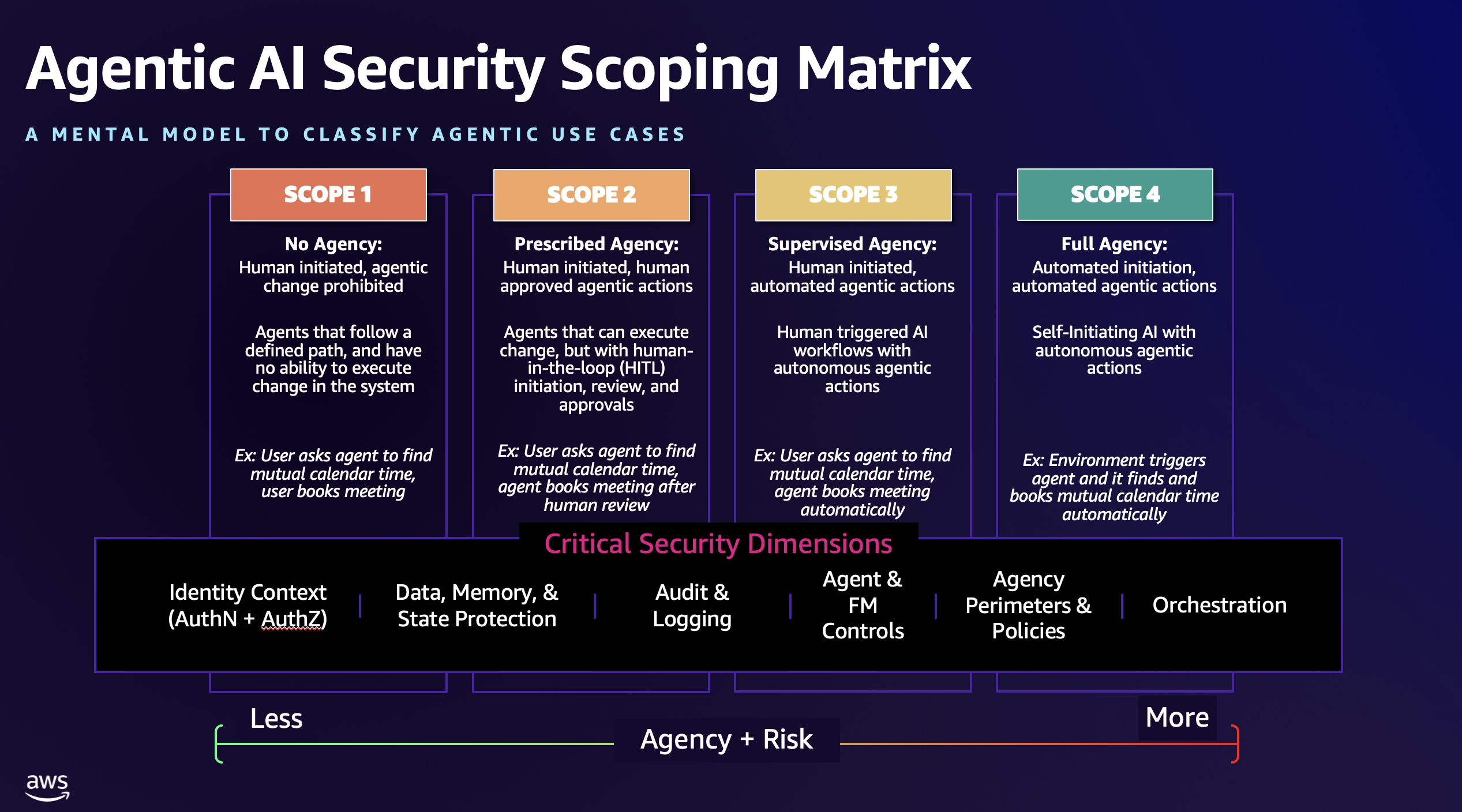
The future will include:
✔️ Fully autonomous cyber defense
AI that detects AND fixes threats immediately.
✔️ Deception AI
Fake environments designed to trap attackers.
✔️ AI-powered SOC copilots
Security analysts assisted by intelligent AI partners.
✔️ Advanced deepfake detection
Essential for preventing social engineering attacks.
✔️ Quantum-safe cybersecurity
AI helping develop protection against quantum hacking.
The combination of AI + human expertise will define the future of security.
🏁 Conclusion
AI is no longer optional — it is a core requirement for cyber defense in 2026.
With smarter attacks and growing digital environments, AI provides:
-
Faster detection
-
Stronger protection
-
Better automation
-
Predictive security
Organizations that embrace AI-powered cybersecurity will be far safer than those relying on outdated tools.


Pingback: Zero Trust Security in 2026: Powered by AI - Nxtainews
Pingback: Best API Security Tools for 2026 (Comprehensive Guide) - Nxtainews
Pingback: A Guide to Become a DevOps Engineer in 2026 (Skills, Roadmap & Salary) - Nxtainews