Introduction
Climate change is one of the greatest challenges humanity has ever faced. Rising global temperatures, extreme weather events, biodiversity loss, and resource scarcity are putting immense pressure on ecosystems and societies alike. At the same time, artificial intelligence (AI) is rapidly transforming industries, economies, and daily life.
This raises an important question:
Can artificial intelligence help fight climate change—and possibly help save the planet?
Supporters believe AI can optimize energy use, accelerate climate research, and reduce emissions across sectors. Critics warn that AI itself consumes large amounts of energy and could worsen inequality if misused. The truth lies somewhere in between.
This article explores the relationship between artificial intelligence and climate change, examining how AI can help, where it falls short, and what role it may play in building a sustainable future.
Understanding Artificial Intelligence


Artificial intelligence refers to computer systems that can perform tasks that normally require human intelligence, such as:
-
Learning from data
-
Recognizing patterns
-
Making predictions
-
Automating decisions
Key AI technologies include:
-
Machine learning
-
Deep learning
-
Computer vision
-
Natural language processing
These capabilities make AI especially powerful for analyzing complex systems—like Earth’s climate.
How AI Can Help Fight Climate Change


1. Climate Modeling and Prediction
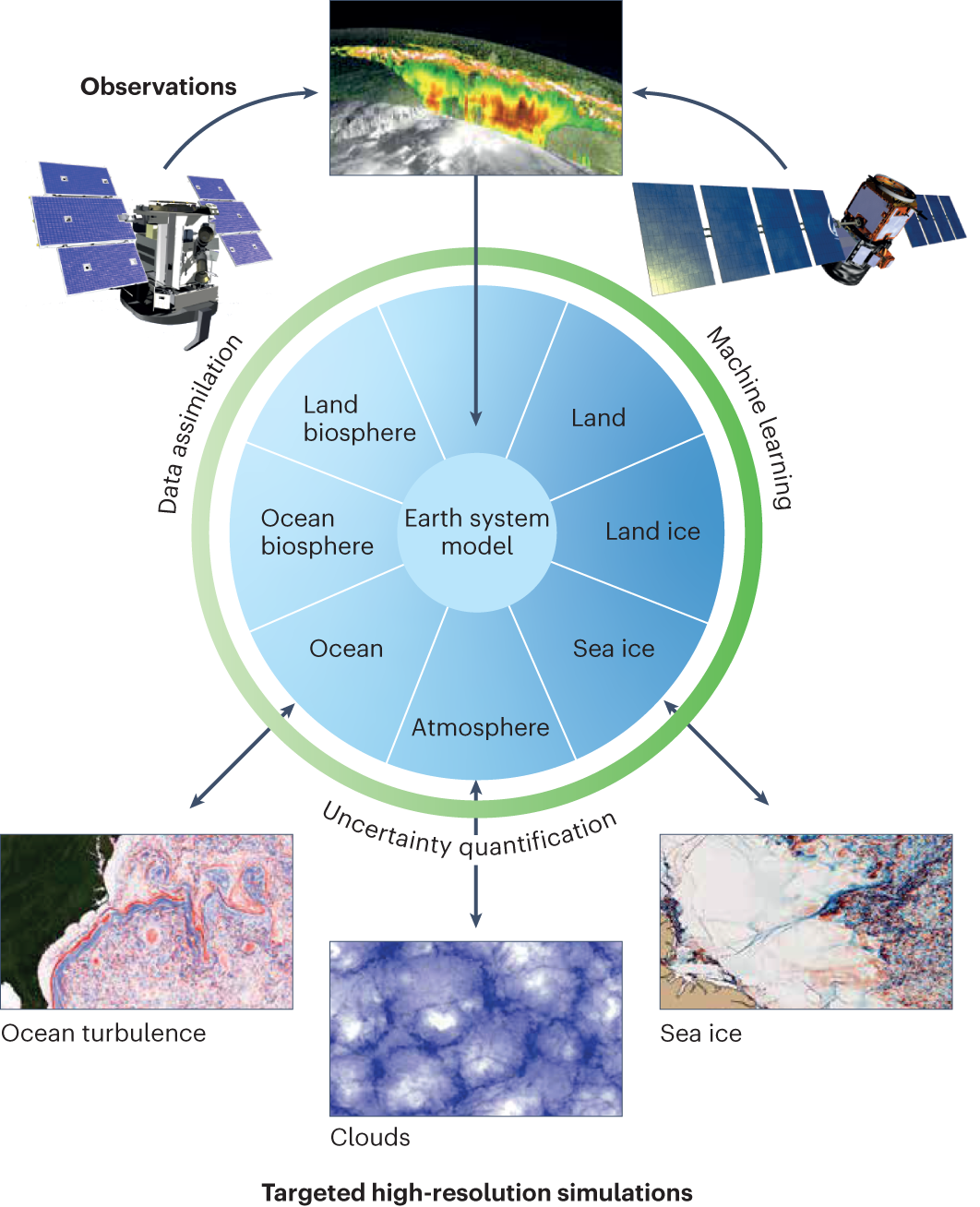
Climate systems are incredibly complex. AI can:
-
Analyze massive climate datasets
-
Improve weather and climate forecasts
-
Model long-term climate scenarios more accurately
Better predictions help governments and communities prepare for extreme weather and plan effective climate policies. International Energy Agency on AI and energy
AI and Clean Energy Transition


2. Optimizing Renewable Energy
Solar and wind energy are variable by nature. AI helps by:
-
Predicting energy generation
-
Balancing supply and demand
-
Managing smart grids
-
Reducing energy waste
AI-driven systems make renewable energy more reliable and efficient, accelerating the shift away from fossil fuels.
You may Also Read : Renewable Energy Explained: Solar Wind and the Future of Clean Power
Reducing Emissions Across Industries



3. Smarter Industry and Transport
AI can reduce emissions by:
-
Optimizing manufacturing processes
-
Improving fuel efficiency in transport
-
Managing traffic to reduce congestion
-
Streamlining supply chains
In sectors like aviation, shipping, and heavy industry—where emissions are hard to cut—AI offers valuable efficiency gains.
AI for Environmental Monitoring and Conservation


4. Protecting Nature and Biodiversity
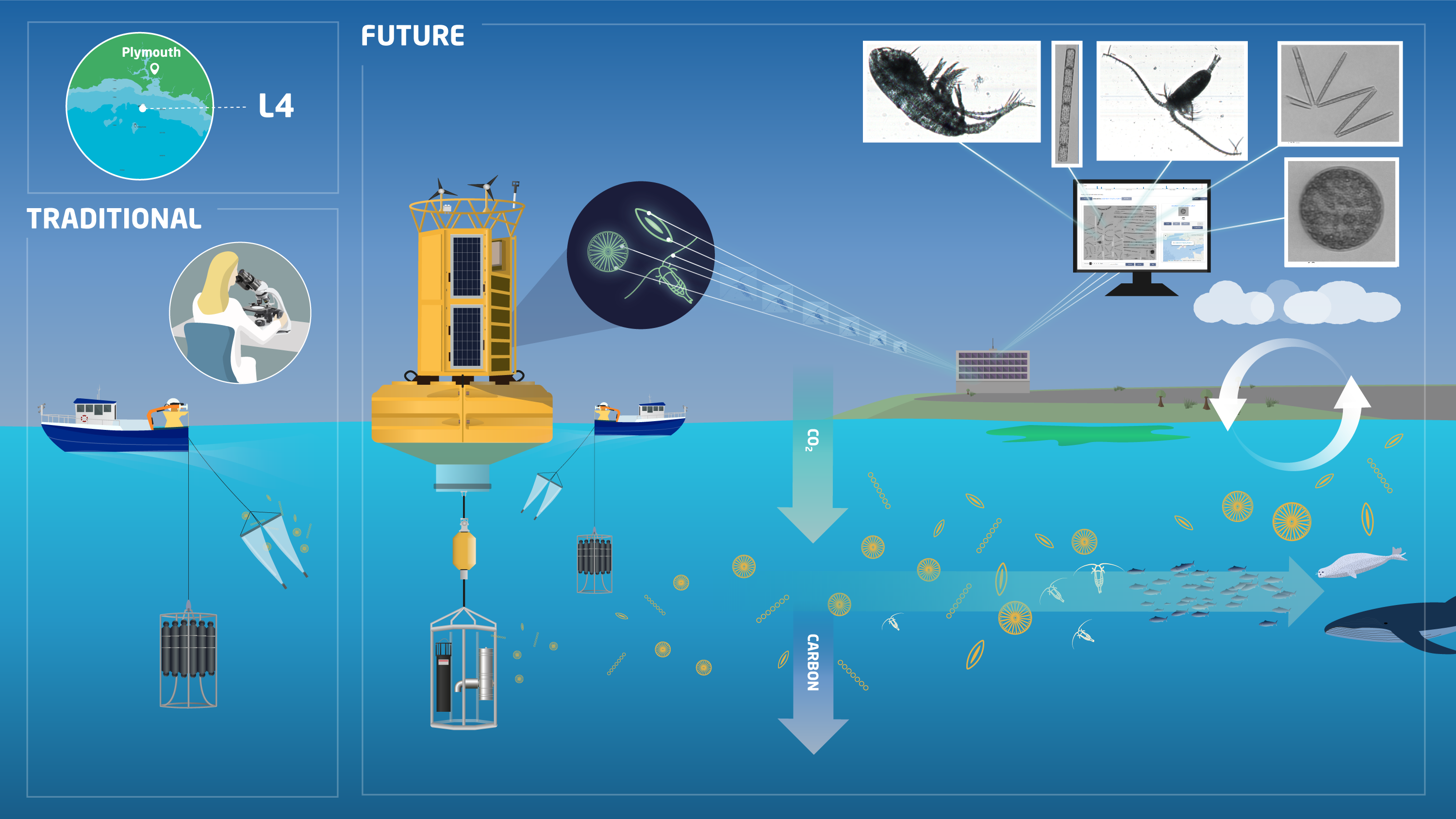
AI is increasingly used to:
-
Monitor deforestation via satellites
-
Track wildlife populations
-
Detect illegal fishing and mining
-
Measure ocean health
These tools help governments and organizations respond faster to environmental damage and protect fragile ecosystems.
AI and Climate Adaptation


5. Adapting to Climate Impacts
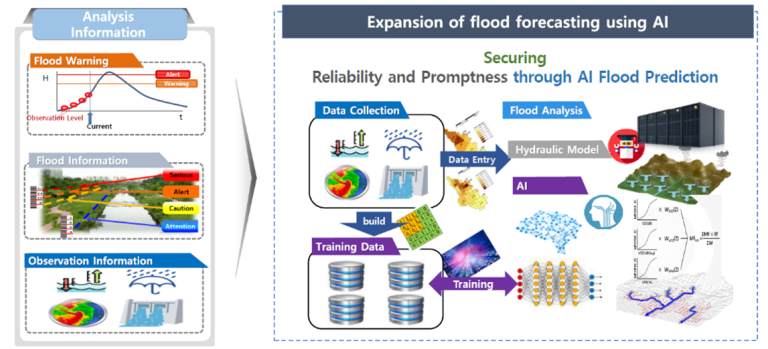
Even with strong mitigation efforts, climate impacts are unavoidable. AI supports adaptation by:
-
Predicting floods, droughts, and wildfires
-
Supporting early warning systems
-
Helping cities plan resilient infrastructure
This can save lives, reduce economic losses, and strengthen climate resilience.
The Carbon Footprint of AI
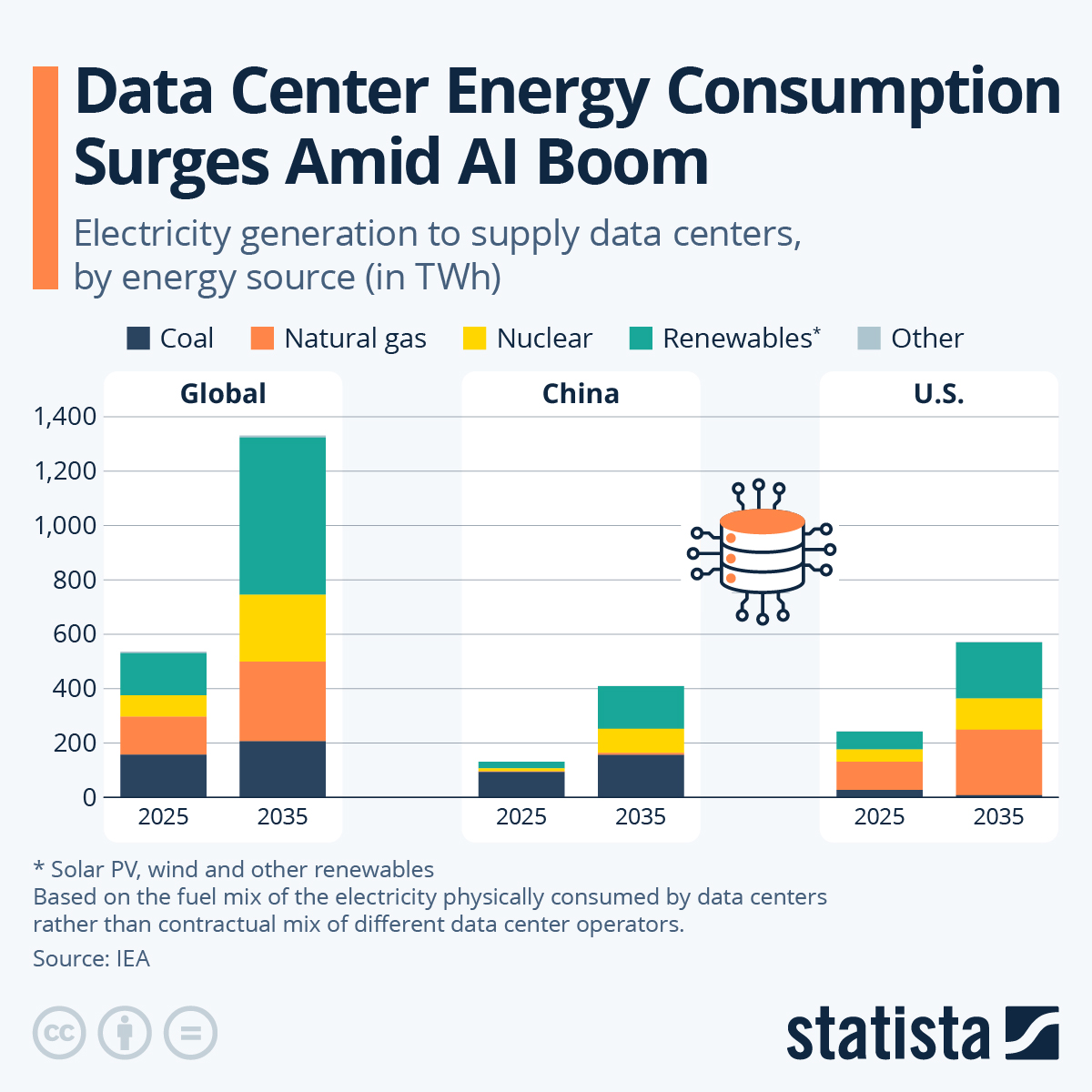
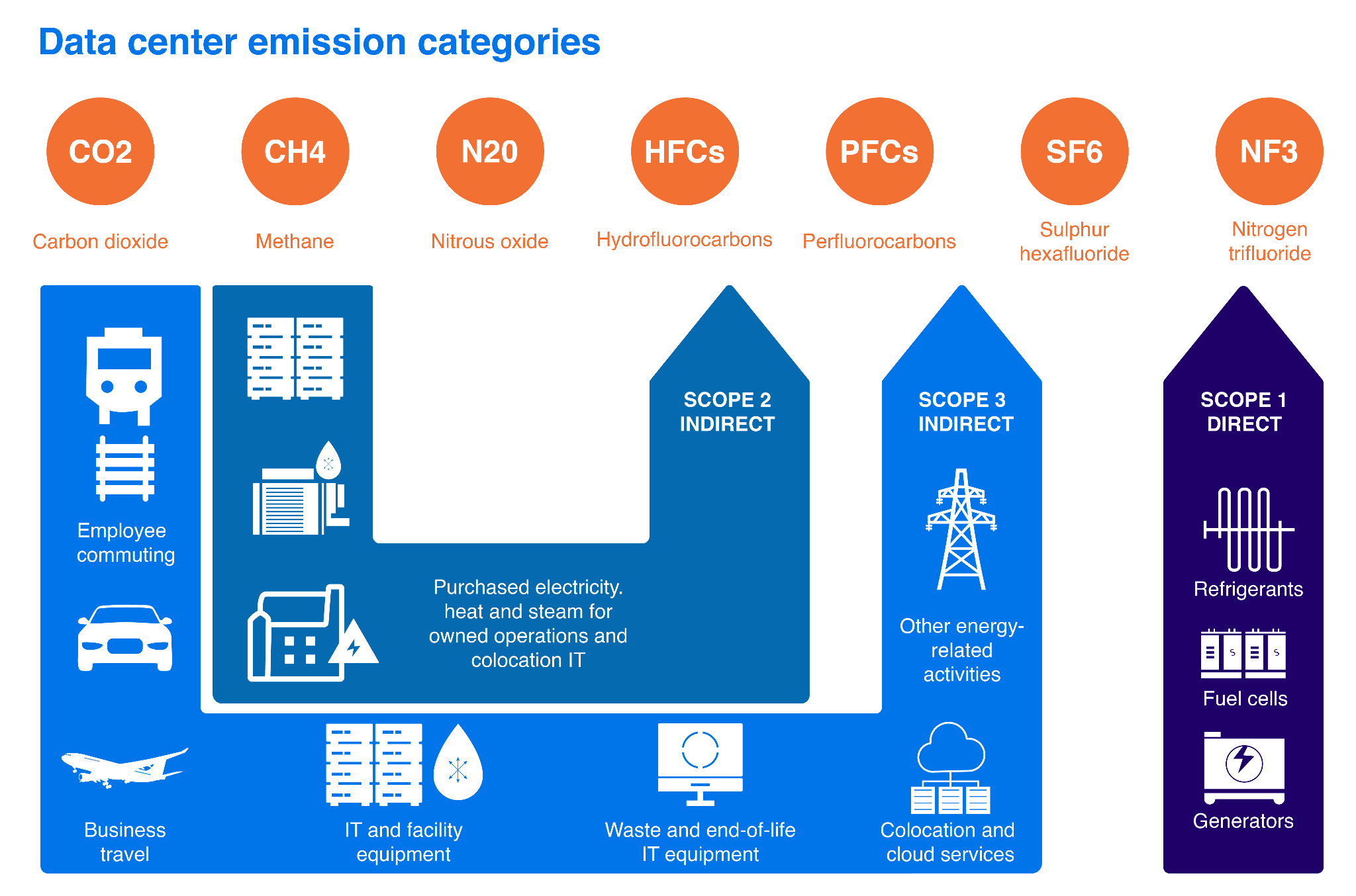

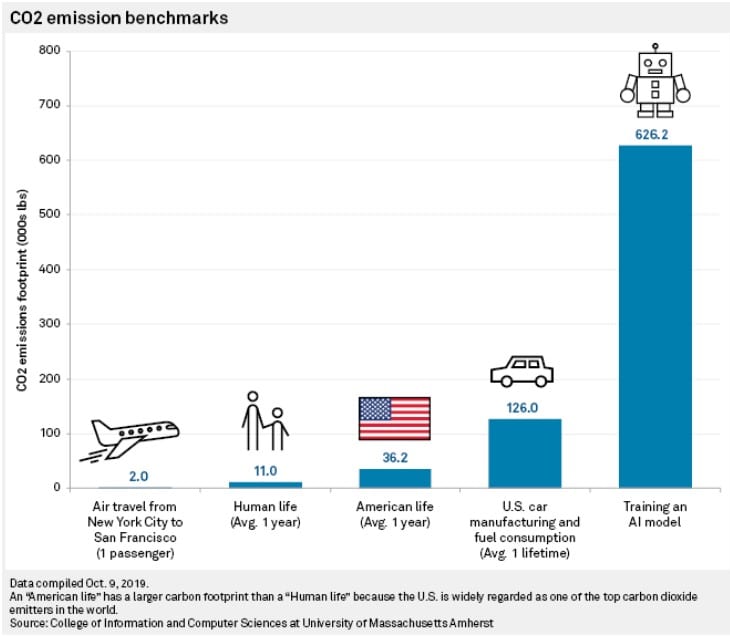
Despite its benefits, AI also has environmental costs.
Key Concerns
-
Energy-hungry data centers
-
High electricity demand for training large AI models
-
Growing electronic waste
If powered by fossil fuels, AI systems can increase emissions, undermining their climate benefits.
Can AI Make Climate Change Worse?

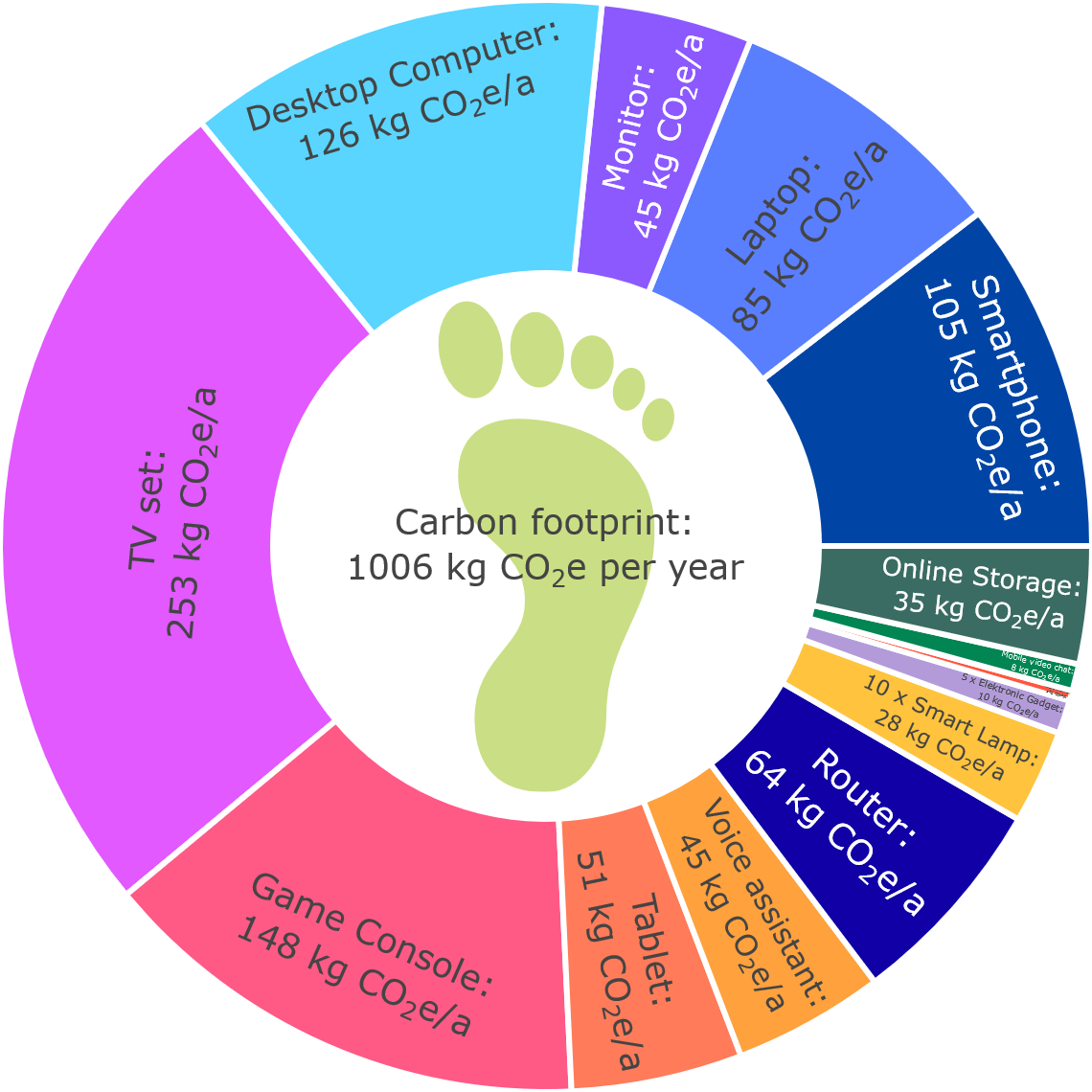
AI could worsen climate change if:
-
Efficiency gains lead to higher consumption
-
Fossil fuel companies use AI to expand extraction
-
Energy use outpaces efficiency improvements
This highlights the importance of governing how AI is used, not just developing it.
Using AI Responsibly for the Climate


To ensure AI helps rather than harms the planet, key principles include:
-
Power AI systems with renewable energy
-
Design energy-efficient algorithms
-
Use AI for public good, not just profit
-
Align AI development with climate goals
The concept of “Green AI” focuses on maximizing environmental benefits while minimizing energy use.
Can AI Save the Planet?



The honest answer is: AI alone cannot save the planet.
However:
-
AI can significantly support climate action
-
It can accelerate solutions across energy, transport, agriculture, and conservation
-
It can improve decision-making and efficiency at scale
AI is a powerful tool, not a magic solution. Its impact depends on how humans choose to use it.
Conclusion


Artificial intelligence has enormous potential to help fight climate change, from optimizing renewable energy to protecting ecosystems and improving climate forecasts. At the same time, AI carries environmental risks that must be carefully managed.
The future is not about AI versus the planet—it is about aligning technology with sustainability. When combined with clean energy, strong policies, and responsible governance, AI can become one of the most powerful allies in the global effort to protect the Earth.



Pingback: Meta AI Glasses Get New Feature to Enhance Conversations in Noisy Places - Nxtainews