Introduction: The Smartphone Market Has Shifted
For more than a decade, flagship smartphones defined innovation. They introduced faster processors, better cameras, premium materials, and cutting-edge features—often at prices that continued to rise year after year. But in recent times, something unexpected has happened: budget smartphones vs flagships.
Phones that cost a fraction of flagship prices now offer fast performance, strong cameras, long battery life, high-refresh-rate displays, and premium designs. In some cases, they even outperform flagships in practical, everyday use.
This shift isn’t accidental. It’s the result of changing consumer behavior, maturing technology, and intense competition among smartphone manufacturers. Here’s why budget smartphones are rapidly closing the gap—and in many ways surpassing flagship devices.
The Definition of “Budget” Has Changed
A few years ago, a budget phone meant compromises everywhere: slow performance, poor cameras, thick bezels, and outdated software. Today, the term “budget” usually refers to value-focused phones, not low-quality ones.
Modern budget smartphones typically include:
-
Powerful mid-range processors
-
High-resolution displays with 90Hz or 120Hz refresh rates
-
Multi-camera systems with AI processing
-
Fast charging and large batteries
-
Premium-looking designs
The result is a device that feels far closer to a flagship than its price tag suggests.
Processor Performance Has Reached a Plateau
One of the biggest reasons budget phones are thriving is that raw performance improvements have slowed down.
Mid-Range Chips Are Now “Good Enough”
Modern mid-range processors from companies like Qualcomm and MediaTek deliver performance that:
-
Handles everyday apps with ease
-
Supports high-end gaming at respectable settings
-
Runs AI-powered features smoothly
-
Feels fast and responsive for years
For most users, the difference between a flagship processor and a mid-range one is barely noticeable in real-world usage.
Flagship Power Is Often Overkill
Unless you’re editing 4K video, gaming at ultra settings, or running heavy professional workloads, flagship chips offer more power than most people need. Budget phones hit the sweet spot between performance and efficiency.
Display Technology Is No Longer Exclusive


High-quality displays used to be a flagship-only feature. That’s no longer the case.
What Budget Phones Now Offer
-
AMOLED or OLED panels
-
90Hz or 120Hz refresh rates
-
High brightness and sharp resolution
-
Minimal bezels and flat screens
According to GSMArena, modern mid-range smartphones now offer displays, performance, and battery life that rival premium flagship models.
In daily use—scrolling, watching videos, browsing social media—budget displays often feel just as smooth and vibrant as flagship screens.
You May Also Read Meta AI Glasses Get New Feature to Enhance Conversations in Noisy Places
Flat Displays Are Back in Favor
Many users actually prefer flat screens found on budget phones over curved flagship displays, which can cause accidental touches and make screen protectors harder to use.
Camera Quality Has Improved Through Software, Not Hardware
Flagship phones still dominate in professional photography, but budget smartphones have narrowed the gap dramatically.
AI Is Doing the Heavy Lifting
Instead of relying on expensive camera sensors, budget phones now use:
-
Computational photography
-
AI scene detection
-
Advanced HDR processing
-
Improved night modes
This means photos look great on social media, messaging apps, and casual sharing—even if the hardware isn’t top-tier.
Real-World Photography vs Specs
For most users:
-
Daylight photos look excellent
-
Portrait modes are accurate
-
Video stabilization is solid
-
Social media compression hides small flaws
Flagship cameras shine in edge cases, but budget cameras are more than good enough for everyday needs.
Battery Life: Budget Phones Often Win
One area where budget smartphones frequently outperform flagships is battery life.
Why Budget Phones Last Longer
-
Less power-hungry processors
-
Larger batteries
-
Lower-resolution displays
-
Fewer background-intensive features
Many budget phones comfortably last a full day—or even two—while some flagships struggle to make it through heavy use.
Fast Charging Is No Longer Premium
High-speed charging is now common across all price segments. Budget phones often include fast chargers in the box, while some flagship brands charge extra for them.Market data from Counterpoint Research shows growing consumer demand for affordable smartphones with premium features.
Flagship Prices Keep Rising
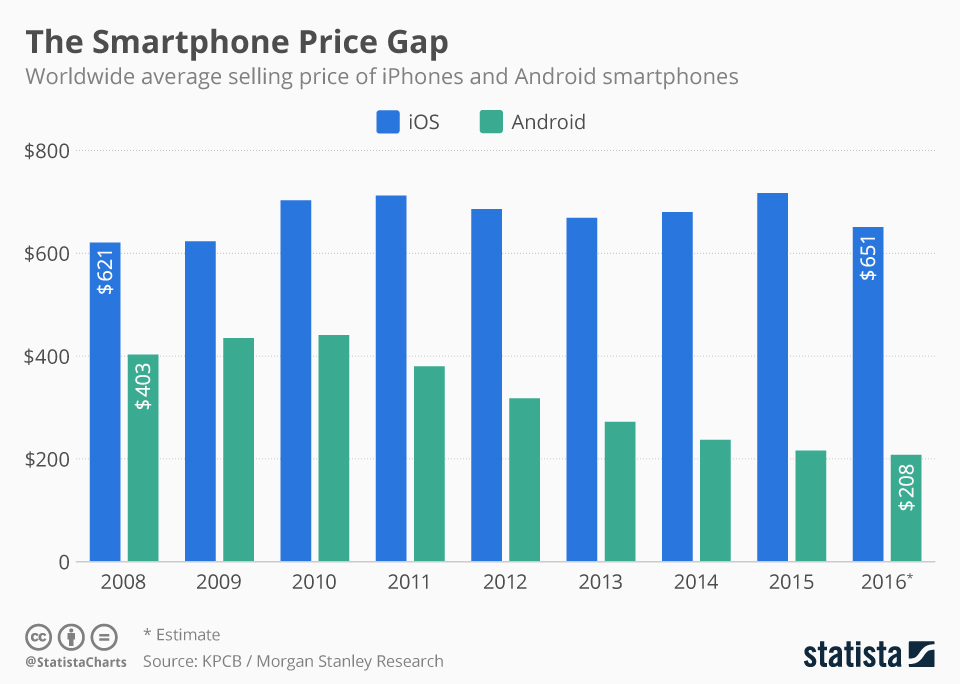


One of the biggest drivers behind the budget phone boom is price fatigue.
The Psychological Barrier
As flagship prices crossed into four-digit territory, many consumers started questioning whether the upgrades justified the cost.
Budget phones, on the other hand:
-
Deliver 80–90% of the experience
-
Cost significantly less
-
Feel like smarter purchases
For value-conscious buyers, the choice has become obvious.
Longer Software Support for Cheaper Phones
Budget smartphones used to be abandoned quickly by manufacturers. That’s changing.
What’s Improved
-
Longer Android update commitments
-
Extended security patch support
-
Cleaner software with fewer gimmicks
Some budget models now receive multiple years of updates, narrowing one of the biggest historical advantages of flagship phones.
Consumer Priorities Have Changed
Today’s smartphone users care less about cutting-edge specs and more about reliability, battery life, and value.
What Most Users Actually Want
-
Smooth daily performance
-
Good cameras for social media
-
Long battery life
-
Fast charging
-
Affordable pricing
Budget phones are designed around these priorities, while flagships often focus on features that appeal to a smaller audience.
Competition Is Fierce in the Budget Segment
The budget and mid-range market is where competition is most intense. Brands are forced to innovate rapidly to stand out.
What This Means for Consumers
-
Better specs at lower prices
-
Faster feature trickle-down
-
Improved build quality
-
Frequent software improvements
Flagship phones face less competition at the top, while budget phones fight aggressively for attention.
Are Flagships Becoming Niche Products?
Flagship smartphones are no longer the default choice—they’re becoming specialized devices.
Who Still Needs a Flagship?
-
Mobile photographers and videographers
-
Hardcore mobile gamers
-
Power users and professionals
-
Tech enthusiasts who want the latest features
For everyone else, budget smartphones offer a more balanced and cost-effective experience.
The Value Proposition Has Flipped
The biggest change in the smartphone industry isn’t technological—it’s psychological.
Budget phones no longer feel like compromises. Flagships increasingly feel like luxury upgrades rather than necessities.
Consumers are realizing that:
-
Innovation has slowed
-
Real-world differences are shrinking
-
Value matters more than specs
This shift is redefining how people choose their next smartphone.
What This Means for the Future of Smartphones
As budget phones continue to improve, manufacturers may be forced to rethink flagship strategies.
Possible future trends include:
-
Slower flagship release cycles
-
More focus on services and ecosystems
-
Increased emphasis on AI features
-
Better differentiation beyond raw hardware
Budget smartphones are no longer following flagships—they’re setting the pace.
Conclusion: The Smart Choice Is Getting Cheaper
Budget smartphones are getting better than flagships not because flagships are worse, but because technology has matured. Performance is good enough, displays are excellent, cameras are software-driven, and battery life matters more than benchmark scores.
For most users, budget phones deliver exactly what they need—without unnecessary cost. Flagships still have their place, but they’re no longer the obvious choice.
In today’s smartphone market, spending less doesn’t mean settling. It often means choosing smarter
Pingback: Big Tech Is Moving AI Off the Cloud—Here’s Why - Nxtainews