Introduction: The Scam Era Has Entered Its AI Phase
Scams are not new—but AI-powered scams are different.
In 2026, fraudsters no longer rely on broken English emails or obvious fake websites. Instead, they use artificial intelligence to sound human, look real, and act convincingly. AI scams can mimic your boss’s voice, clone a loved one’s face, write perfect emails, and respond intelligently in real time.
The result?
Even tech-savvy users are getting fooled.
This article explains how AI scams work, the most dangerous types right now, real-world warning signs, and exactly how to protect yourself in the age of intelligent fraud.
1. Why AI Scams Are So Dangerous
Traditional scams depended on volume—sending millions of bad messages and hoping someone clicked. AI scams depend on precision.
What AI Changed
-
Messages are personalized, not generic
-
Scammers can talk back instead of following scripts
-
Fake content looks and sounds authentic
-
Attacks scale cheaply using automation
AI allows one scammer to operate like an entire criminal organization.
2. The Most Common AI Scams in 2026

2.1 AI Voice Cloning Scams
Scammers use short audio clips (from social media or voicemail) to clone a person’s voice.
Typical scenario:
-
You receive a call from a “family member”
-
The voice sounds identical
-
There’s urgency: arrest, accident, emergency payment
🔴 Red flag: Pressure to act immediately and secrecy requests.
According to the Federal Trade Commission (FTC), scams involving impersonation and online fraud are rising rapidly as criminals adopt AI tools.
2.2 Deepfake Video Scams
These involve fake video calls or recorded clips of:
-
CEOs
-
Managers
-
Public figures
-
Family members
Victims have transferred millions of dollars after seeing what looked like a real executive on a video call.
🔴 Red flag: Video looks real, but camera quality is oddly poor or lighting feels unnatural.
2.3 AI-Generated Phishing Emails
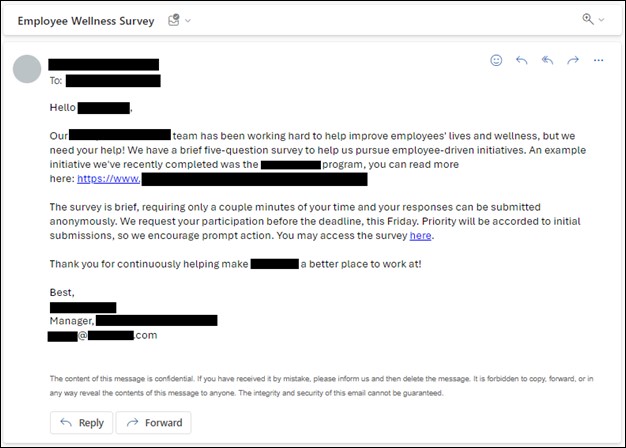
AI writes flawless emails with:
-
Perfect grammar
-
Correct branding
-
Context-aware responses
These emails adapt if you reply, making them extremely convincing.
🔴 Red flag: Email urgency combined with links asking for login or payment details.
2.4 AI Romance & Social Engineering Scams
AI chatbots now power long-term scams:
-
Weeks or months of conversation
-
Emotional manipulation
-
Gradual financial requests
Victims often don’t realize they were talking to software.
🔴 Red flag: Reluctance to meet in person or repeated excuses to avoid video calls.
2.5 Job & Investment Scams Using AI
Fake recruiters and financial advisors use AI to:
-
Conduct interviews
-
Answer technical questions
-
Provide fake dashboards and documents
🔴 Red flag: Requests for upfront fees, crypto payments, or “verification deposits.”
You May Also Read CES 2026 Highlights: AI, Robots & the Future of Technology
3. How AI Scams Fool Smart People
AI scams succeed because they exploit human psychology, not technical ignorance.
They target:
-
Fear (“Act now or else”)
-
Authority (“I’m your boss”)
-
Emotion (“I need help”)
-
Trust (“You know me”)
When emotion rises, critical thinking drops.
4. How to Spot AI Scams: Practical Warning Signs
4.1 Behavioral Red Flags
-
Urgent deadlines
-
Requests for secrecy
-
Unusual payment methods (crypto, gift cards)
-
Pressure to bypass normal procedures
4.2 Technical Red Flags
-
Slight audio distortion in calls
-
Video lag or unnatural facial movement
-
Links that look real but aren’t
-
Sender addresses that almost match real ones
4.3 Communication Red Flags
-
Refusal to verify identity
-
Avoidance of call-backs
-
Overly polished or “too perfect” language
Law enforcement agencies, including Europol, warn that AI-powered cybercrime and deepfake scams are becoming more sophisticated each year.
5. How to Protect Yourself (and Your Family)
5.1 Create Verification Rules
-
Always verify financial requests via a second channel
-
Call back using a known number
-
Use family “safe words” for emergencies
5.2 Lock Down Your Digital Footprint
-
Limit public voice/video posts
-
Set social media profiles to private
-
Remove phone numbers from public pages
5.3 Use Technology Against Technology
-
Enable spam and scam filters
-
Use password managers
-
Turn on multi-factor authentication everywhere
5.4 Train Yourself (and Others)
-
Teach family members about AI scams
-
Warn elderly relatives
-
Educate employees at work
Awareness is now a critical security skill.
6. Businesses Are at Even Higher Risk
AI scams targeting companies include:
-
Fake vendor invoices
-
Deepfake CEO calls
-
Payroll diversion scams
Business Protection Tips
-
Enforce strict payment verification
-
Train staff regularly
-
Use voice and video authentication cautiously
-
Never rely on a single approval channel
7. Are Governments and Tech Companies Responding?
Some progress is being made:
-
AI watermarking research
-
Deepfake detection tools
-
Stronger identity verification systems
But regulation is always behind innovation. For now, responsibility rests largely on users.
8. The Future of AI Scams
AI scams will soon:
-
Operate fully autonomously
-
Personalize attacks in real time
-
Combine voice, video, and text seamlessly
The line between real and fake will continue to blur.
Conclusion: Trust, But Always Verify
AI has made scams faster, smarter, and more convincing—but not unstoppable.
The most powerful defense is not software.
It’s awareness, skepticism, and verification.
If something feels urgent, emotional, or unusual—pause.
That pause can save your money, identity, and peace of mind.

Pingback: Should AI Have Rights? The Ethics Debate Explained - Nxtainews