Life is unpredictable. One unexpected expense — a medical bill, job loss, car repair, or emergency travel — can completely disrupt your finances if you’re not prepared.
That’s why building an emergency fund is one of the most important financial steps you can take.
In this guide, you’ll learn exactly how to build an emergency fund step by step, even if you’re living paycheck to paycheck. This article is beginner-friendly, practical, and designed to help you gain financial security without stress.
🔹 What Is an Emergency Fund?
An emergency fund is money set aside only for unexpected situations, such as:
-
Medical emergencies
-
Job loss
-
Urgent home repairs
-
Car breakdowns
-
Family emergencies
This money is not for shopping, vacations, or entertainment.
It is your financial safety net.
🔹 Why an Emergency Fund Is So Important

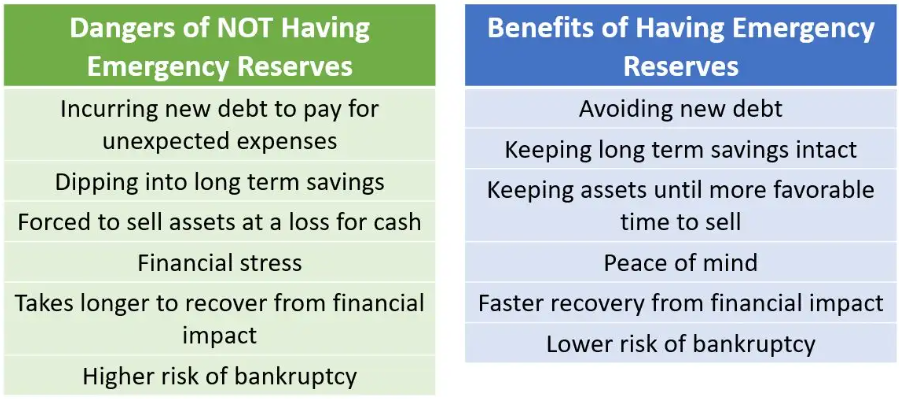

Without an emergency fund, people usually:
-
Go into debt
-
Use credit cards
-
Borrow money
-
Panic during financial stress
With an emergency fund:
✔ You stay calm
✔ You avoid debt
✔ You stay financially stable
✔ You protect your investments
An emergency fund gives you peace of mind.
🔹 Step 1: Set a Realistic Emergency Fund Goal
The general rule is:
✅ Save 3–6 months of living expenses
But don’t feel overwhelmed. Start small.
Beginner-Friendly Targets:
-
$500 → First milestone
-
$1,000 → Strong start
-
3 months of expenses → Ideal
-
6 months of expenses → Very secure
Your goal depends on:
-
Your income stability
-
Monthly expenses
-
Family size
-
Job security
🔹 Step 2: Calculate Your Monthly Expenses
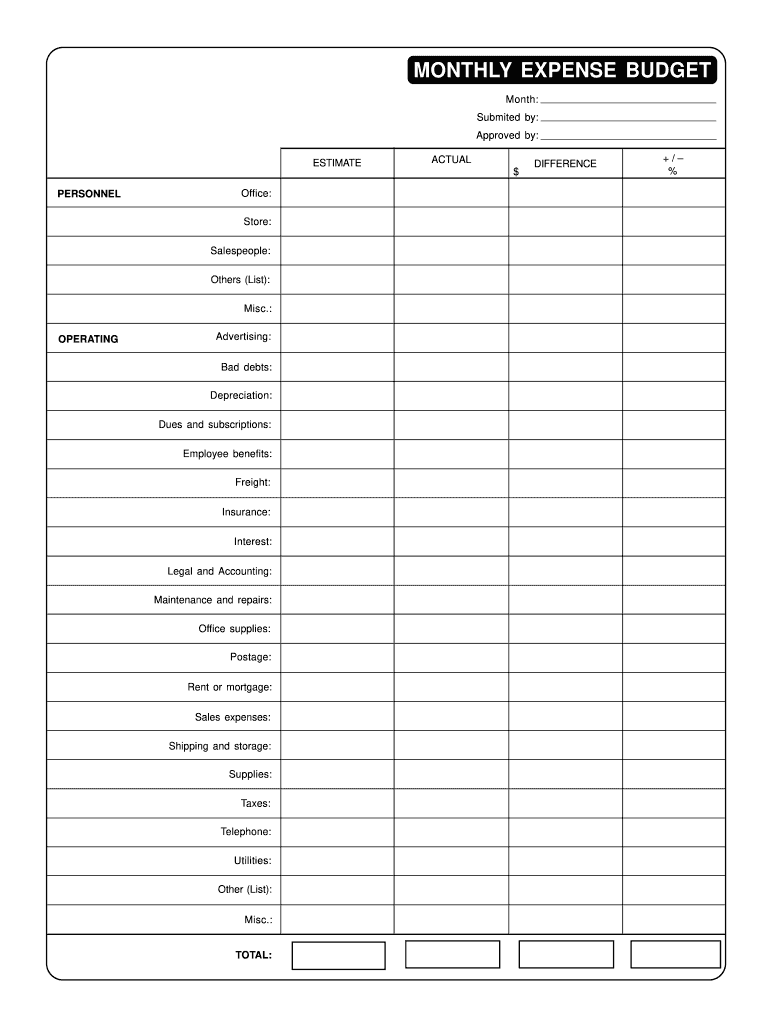
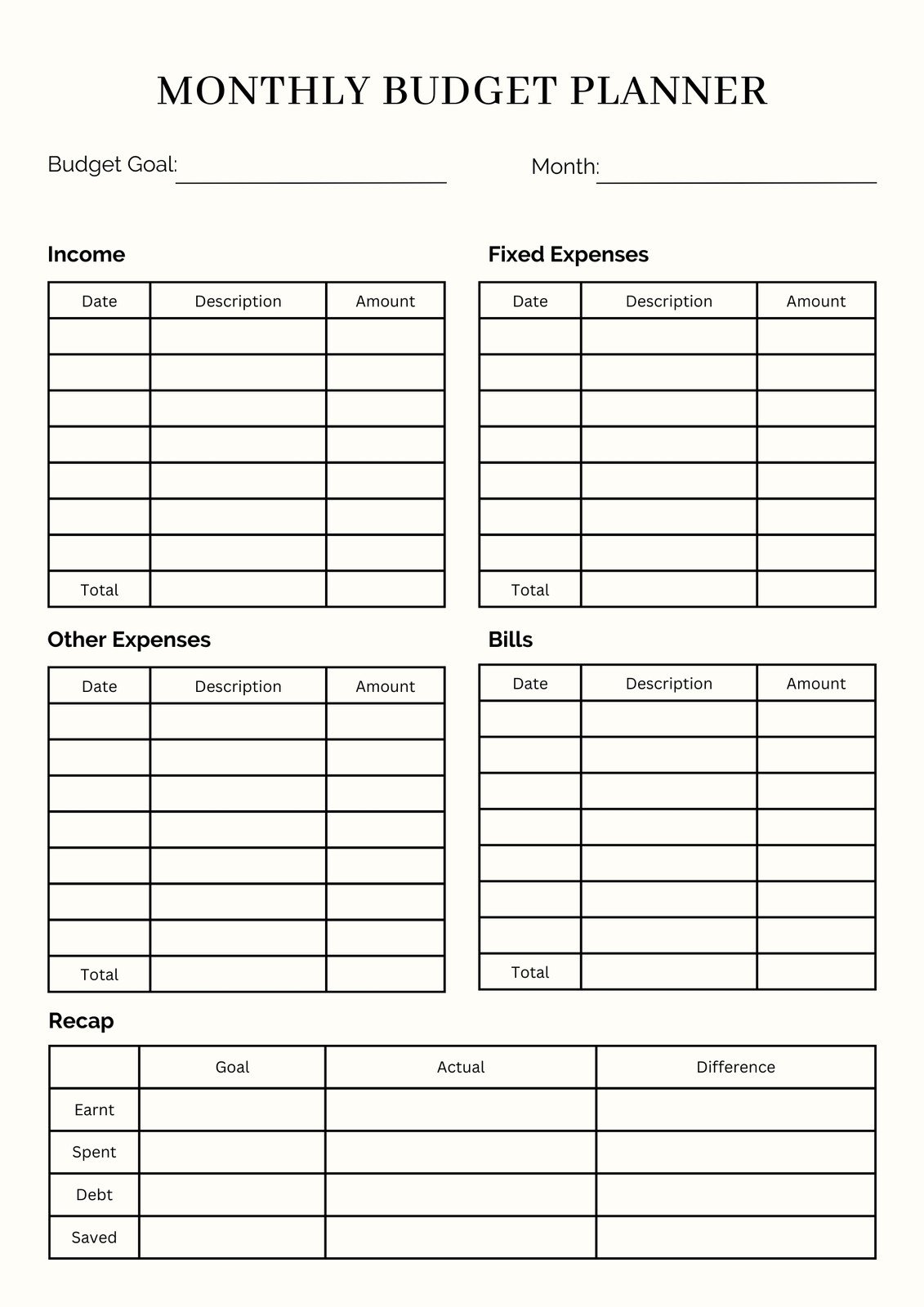
Write down all your essential monthly expenses, such as:
-
Rent or mortgage
-
Utilities
-
Food
-
Transportation
-
Phone & internet
-
Insurance
💡 Example:
If your monthly expenses = $1,000
Then:
-
3-month fund = $3,000
-
6-month fund = $6,000
This becomes your emergency fund target.
🔹 Step 3: Open a Separate Savings Account
Never mix emergency money with daily spending.
Your emergency fund should be:
✔ Easy to access
✔ Safe
✔ Separate from checking account
✔ Not invested in risky assets
Best options:
-
High-yield savings account
-
Separate bank savings account
Avoid:
❌ Stocks
❌ Crypto
❌ Long-term investments
Emergency money must be safe and liquid.
Building an emergency fund is one of the most important steps toward financial stability. Many beginners don’t realize how crucial it is until an unexpected expense appears. According to what an emergency fund is and why it matters, having money set aside helps you avoid debt and reduces financial stress during emergencies. It allows you to handle situations like medical bills or job loss without relying on credit cards or loans.
Financial experts also recommend starting small and staying consistent. As explained by how to build an emergency fund step by step, setting aside even a small amount each month can make a big difference over time and help you stay financially secure.
🔹 Step 4: Start Small and Be Consistent

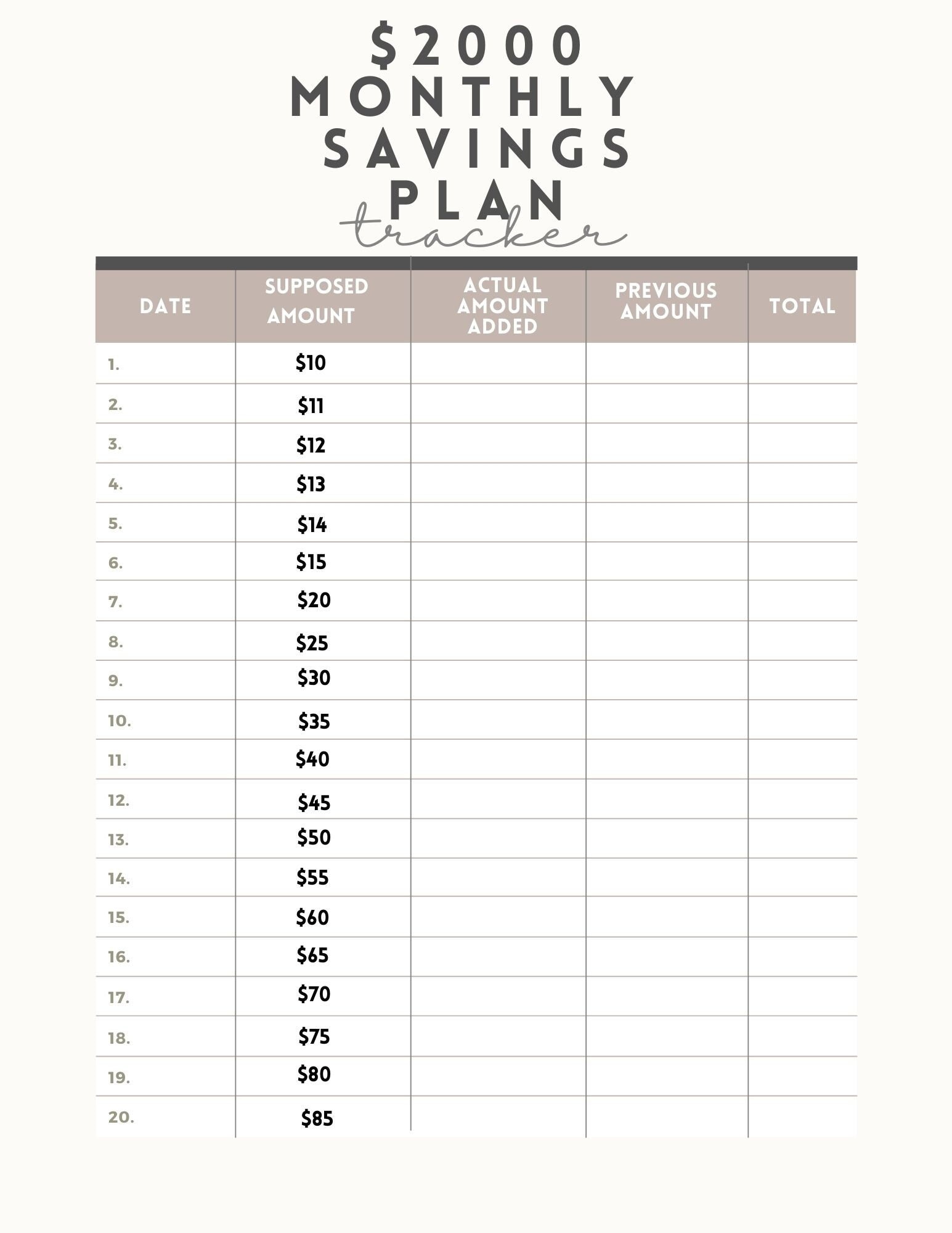

You don’t need to save a lot at once.
Start with:
-
$10 per week
-
$50 per month
-
5–10% of your income
Consistency matters more than amount.
💡 Even saving $1 per day builds a habit.
How to Make a Monthly Budget (Step-by-Step Guide for Beginners)
🔹 Step 5: Cut Small Expenses to Boost Savings
Look at where your money goes each month.
Common places to save:
-
Subscriptions you don’t use
-
Eating out frequently
-
Impulse shopping
-
Expensive coffee habits
Redirect that money into your emergency fund.
Small changes = big results over time.
🔹 Step 6: Automate Your Savings
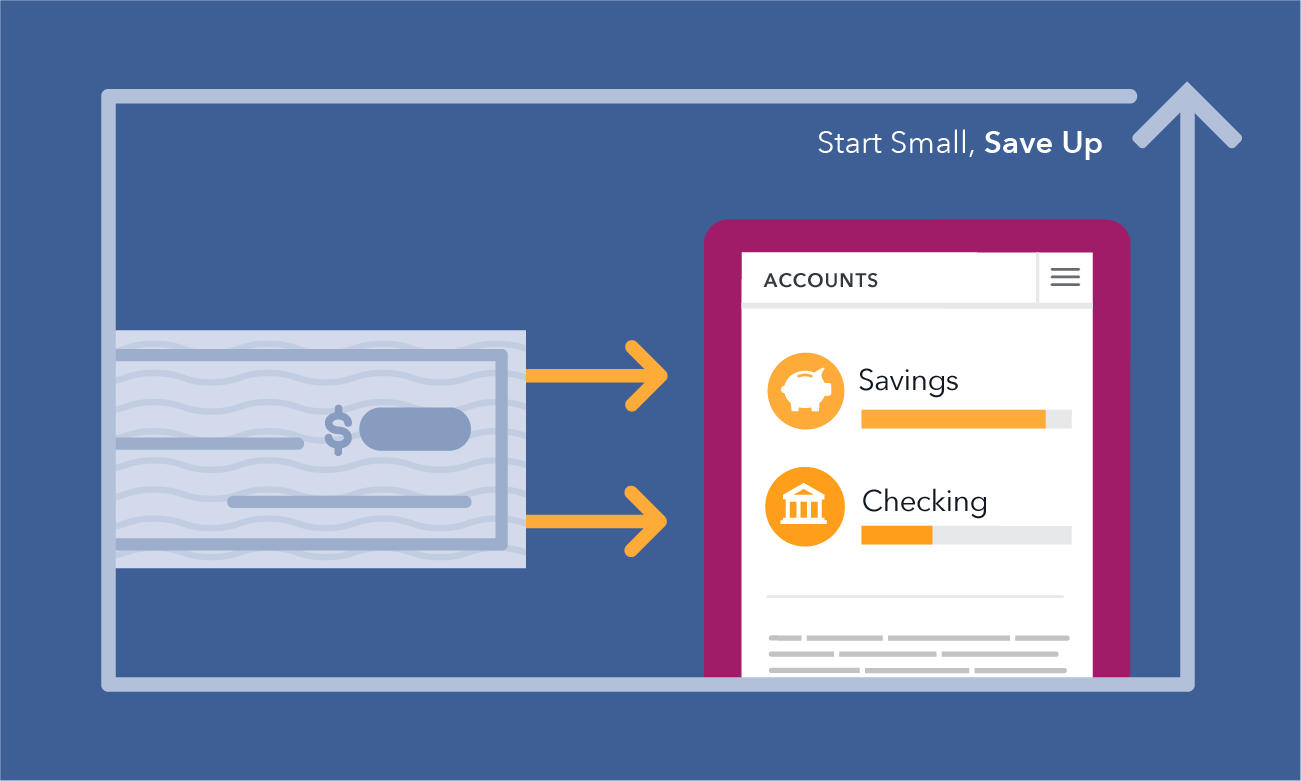
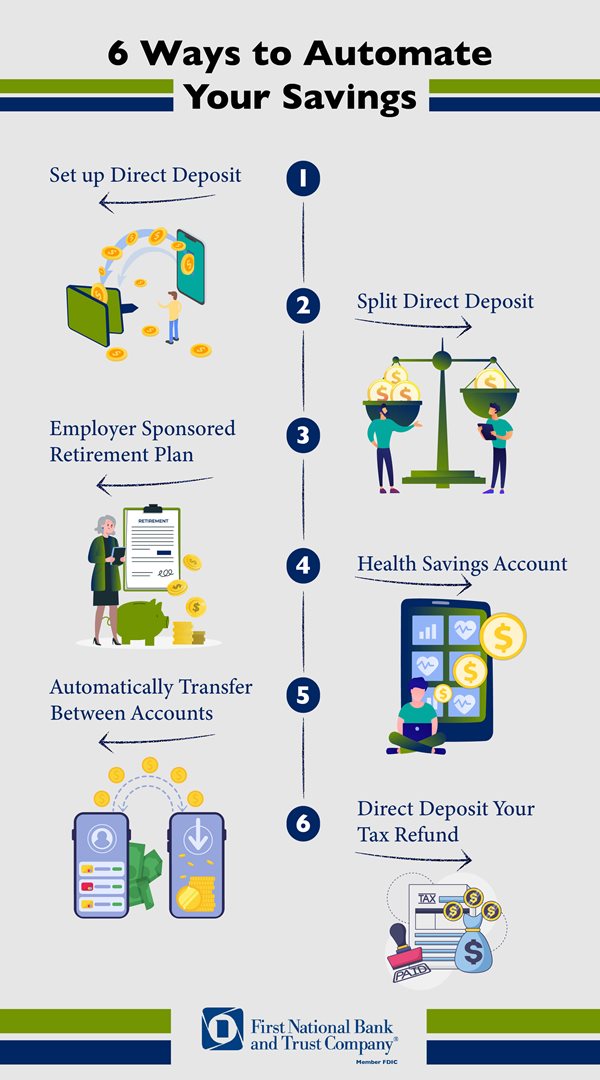

The easiest way to save is to automate it.
Set up:
✔ Automatic transfers
✔ Weekly or monthly deposits
✔ Fixed savings amount
When saving happens automatically, you’re less likely to skip it.
🔹 Step 7: Use Extra Income to Grow Your Fund Faster
Whenever you receive:
-
Bonus
-
Tax refund
-
Side income
-
Gift money
Put a portion into your emergency fund.
This can help you reach your goal much faster without affecting daily expenses.
🔹 Step 8: Don’t Touch It Unless It’s an Emergency
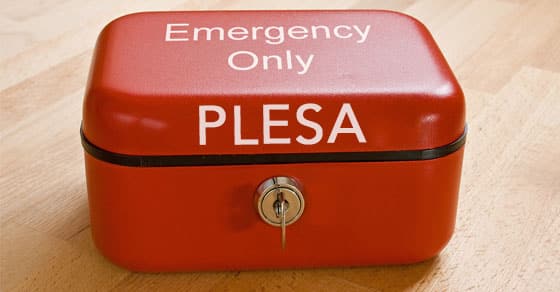

Your emergency fund is not for:
❌ Shopping
❌ Vacations
❌ Gadgets
❌ Wants
Use it only for:
✔ Medical emergencies
✔ Job loss
✔ Essential repairs
✔ True financial emergencies
This discipline is what makes the fund effective.
🔹 Step 9: Refill the Fund After Using It
If you ever use your emergency fund, make it a priority to rebuild it.
Treat it like a bill that must be paid back.
This keeps you financially secure long-term.
🔹 Step 10: Maintain and Review Your Fund Yearly

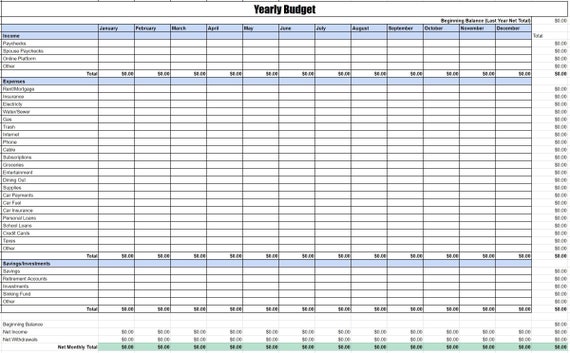
As your income or expenses change, your emergency fund should grow too.
Review it:
-
Once a year
-
After a major life change
-
When income increases
Your financial safety net should grow with you.
🌟 Final Thoughts
Building an emergency fund is one of the smartest financial decisions you’ll ever make.
It:
-
Protects you from debt
-
Reduces stress
-
Gives financial confidence
-
Helps you stay in control
You don’t need a lot of money to start — just a plan and consistency.
Start today. Even small steps lead to big security.

Pingback: Financial Planning for Beginners: A Step-by-Step Guide to Managing Money Wisely - Nxtainews