Introduction
Healthy eating habits are the foundation of a strong body, a sharp mind, and a balanced life. In today’s fast-paced world, people often rely on fast food, sugary drinks, and processed meals because they are convenient. Unfortunately, these food choices slowly damage our health, leading to obesity, diabetes, heart disease, and low energy levels.
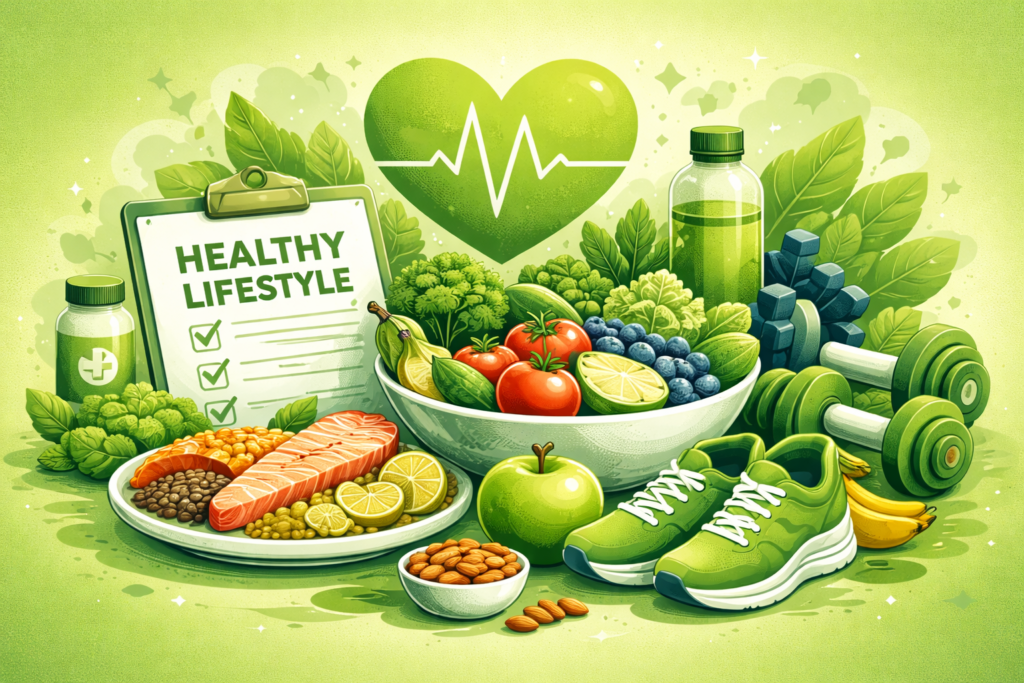
Healthy eating does not mean strict dieting or avoiding your favorite foods. It means eating the right foods in the right quantity at the right time. When you develop healthy eating habits, your body begins to function better, your immunity improves, and your mental health becomes more stable.
This article explains in detail how healthy eating habits can improve your lifestyle, what foods you should include in your daily diet, and how small changes can bring long-term health benefits.
🥗 Why Healthy Eating Is Important

Healthy eating provides the body with essential nutrients such as vitamins, minerals, protein, fiber, and healthy fats. These nutrients help the body grow, repair cells, and function properly.
Benefits of Healthy Eating:
-
Improves digestion
-
Strengthens the immune system
-
Maintains healthy body weight
-
Reduces the risk of heart disease
-
Controls blood sugar levels
-
Improves mental focus and mood
When you eat healthy food regularly, your body becomes more energetic and resistant to diseases.
Healthy eating habits play an important role in maintaining good health and preventing diseases. Eating a balanced diet that includes fruits, vegetables, whole grains, and lean protein helps improve digestion, boost immunity, and increase energy levels. According to the World Health Organization, a healthy diet reduces the risk of heart disease, diabetes, and obesity. You can learn more about healthy nutrition guidelines on the WHO official website.
Additionally, Harvard Health Publishing explains that proper portion control and reducing sugar intake can greatly improve overall well-being. Read more at Harvard Health.
🥦 Importance of a Balanced Diet
A balanced diet includes all major food groups in proper amounts. No single food can provide all nutrients, so variety is essential.
Components of a Balanced Diet:
-
Fruits and Vegetables: Rich in vitamins, antioxidants, and fiber
-
Whole Grains: Provide long-lasting energy
-
Protein: Helps in muscle growth and repair
-
Healthy Fats: Support brain and heart health
-
Dairy or Alternatives: Strengthen bones and teeth
Eating a balanced diet helps maintain energy levels throughout the day and supports overall health.
Time Management Tips for Students: How to Study Smarter and Use Time Wisely
💧 Drink Enough Water Daily
Water plays a vital role in almost every function of the body. It helps regulate body temperature, aids digestion, and removes toxins.
Benefits of Drinking Water:
-
Improves digestion
-
Keeps skin healthy
-
Prevents dehydration
-
Supports metabolism
-
Enhances concentration
💡 Tip: Drink at least 7–8 glasses of water daily. Increase intake during exercise or hot weather.
🍎 Eat More Fruits and Vegetables
Fruits and vegetables are rich sources of vitamins, minerals, and fiber. They protect the body from infections and chronic diseases.
Healthy Choices Include:
-
Apples, bananas, oranges
-
Spinach, carrots, broccoli
-
Tomatoes, cucumbers
-
Berries and citrus fruits
Eating fruits and vegetables daily improves digestion, boosts immunity, and supports heart health.
🍔 Avoid Junk and Processed Foods
Junk food contains excessive sugar, salt, and unhealthy fats. Regular consumption leads to serious health problems.
Harmful Effects of Junk Food:
-
Weight gain
-
High cholesterol
-
Diabetes
-
Heart disease
-
Weak immune system
Healthy Alternatives:
-
Home-cooked meals
-
Fresh fruits
-
Roasted nuts
-
Whole-grain snacks
Reducing junk food is one of the most important steps toward a healthier lifestyle.
🕒 Eat at the Right Time
Meal timing is just as important as food quality. Eating at irregular times affects digestion and metabolism.
Healthy Eating Schedule:
-
Breakfast: Within 1 hour of waking
-
Lunch: Balanced and nutritious
-
Dinner: Light and early
-
Avoid late-night eating
Regular meal timing helps maintain energy levels and improves digestion.
⚖️ Control Portion Size
Eating too much, even healthy food, can cause weight gain.
Tips for Portion Control:
-
Use smaller plates
-
Eat slowly
-
Avoid distractions while eating
-
Stop when you feel full
Mindful eating helps prevent overeating and improves digestion.
🧠 Mental Health Benefits of Healthy Eating
Healthy eating does not only benefit physical health but also mental well-being.
Mental Health Benefits:
-
Reduces stress and anxiety
-
Improves focus and memory
-
Enhances mood
-
Supports better sleep
A healthy diet helps maintain emotional balance and mental clarity.
🏃 Combine Healthy Eating with Physical Activity
Healthy eating works best when combined with regular physical activity.
Simple Exercises:
-
Walking
-
Jogging
-
Yoga
-
Cycling
-
Home workouts
Just 30 minutes of daily activity can significantly improve overall health.
🌱 Tips to Maintain Healthy Eating Habits
✔ Plan meals in advance
✔ Eat home-cooked food
✔ Avoid skipping meals
✔ Reduce sugar intake
✔ Drink enough water
✔ Stay consistent
Healthy eating is a lifestyle, not a short-term diet.
✅ Conclusion
Healthy eating habits are essential for a better lifestyle. By eating balanced meals, drinking enough water, avoiding junk food, and maintaining proper meal timing, you can improve both physical and mental health.
Small daily changes lead to long-term benefits. Start today, stay consistent, and enjoy a healthier, happier life.


Pingback: Benefits of Regular Exercise for Mental and Physical Health - Nxtainews
Pingback: Healthy Morning Routine for a Productive Day - Nxtainews