Introduction
A balanced diet plays a vital role in maintaining a healthy body and mind. In today’s fast-paced lifestyle, many people depend on processed foods, sugary snacks, and fast food, which leads to various health problems such as obesity, diabetes, heart disease, and weak immunity. Eating healthy is no longer a choice—it is a necessity for long-term well-being.
A balanced diet provides the body with essential nutrients such as carbohydrates, proteins, fats, vitamins, and minerals in the right proportion. These nutrients help the body function efficiently, boost immunity, improve digestion, and maintain mental clarity.
In this article, we will explore the importance of a balanced diet, its benefits, essential food groups, healthy eating habits, and practical tips to maintain a nutritious lifestyle.
🥦 What Is a Balanced Diet?
A balanced diet includes a variety of foods that provide all essential nutrients required for proper body functioning. It ensures that the body receives enough energy and nutrition to perform daily activities efficiently.
Components of a Balanced Diet:
-
Carbohydrates – Main source of energy
-
Proteins – Help build and repair tissues
-
Fats – Support brain and heart health
-
Vitamins – Boost immunity and prevent diseases
-
Minerals – Strengthen bones and regulate body functions
-
Fiber – Improves digestion
-
Water – Maintains hydration and detoxification
Eating a balanced mix of these nutrients helps maintain overall health and prevents nutritional deficiencies.
Benefits of Eating Healthy Food Daily
Eating healthy food every day is essential for maintaining good health and preventing long-term diseases. A balanced diet provides the body with essential nutrients such as vitamins, minerals, proteins, and healthy fats. When you eat nutritious meals regularly, your energy levels increase, digestion improves, and immunity becomes stronger.
According to the World Health Organization, a healthy diet helps protect against malnutrition and reduces the risk of chronic diseases such as heart disease, diabetes, and obesity. Including fruits, vegetables, whole grains, and lean proteins in your daily meals supports overall wellness and long-term health.
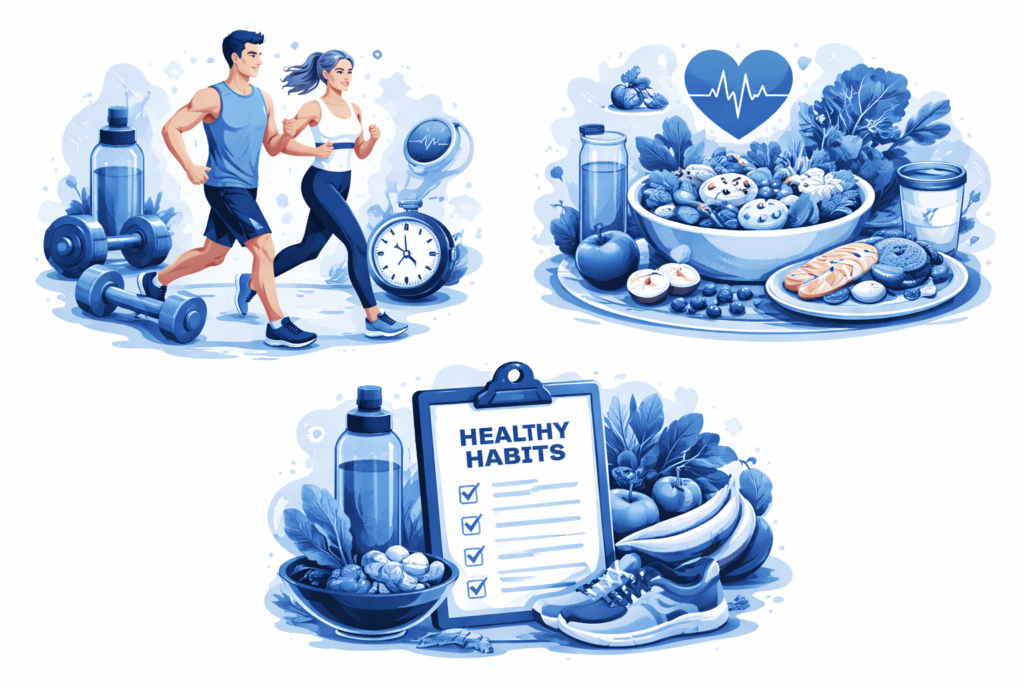
Healthy eating also plays a major role in mental well-being. Research shared by Harvard Health Publishing shows that nutritious food choices help improve mood, reduce stress, and support brain function. If you want to learn more about building better habits, you can also read our guide on Healthy Eating Habits for a Better Lifestyle.
In addition, maintaining a balanced diet works best when combined with physical activity.
You may find our article on Benefits of Regular Exercise helpful for improving overall fitness and energy levels.
In conclusion, eating healthy food daily is one of the simplest ways to improve physical health, mental clarity, and overall quality of life. Small changes in food choices can lead to long-term health benefits.
Importance of Fruits and Vegetables
Fruits and vegetables are essential components of a healthy diet. They are rich in vitamins, minerals, antioxidants, and fiber.
Benefits of Fruits and Vegetables:
-
Improve digestion
-
Strengthen immune system
-
Reduce risk of heart disease
-
Help control weight
-
Improve skin health
Eating at least 5 servings of fruits and vegetables daily is recommended for optimal health.
Examples include:
-
Apples, bananas, oranges
-
Spinach, broccoli, carrots
-
Tomatoes, cucumbers
-
Berries and citrus fruits
Role of Protein in a Balanced Diet
Proteins are the building blocks of the body. They help repair tissues, build muscles, and support growth.
Healthy Protein Sources:
-
Eggs
-
Fish
-
Chicken
-
Lentils and beans
-
Nuts and seeds
-
Milk and dairy products
Protein also helps keep you full for longer, reducing unhealthy snacking and overeating.
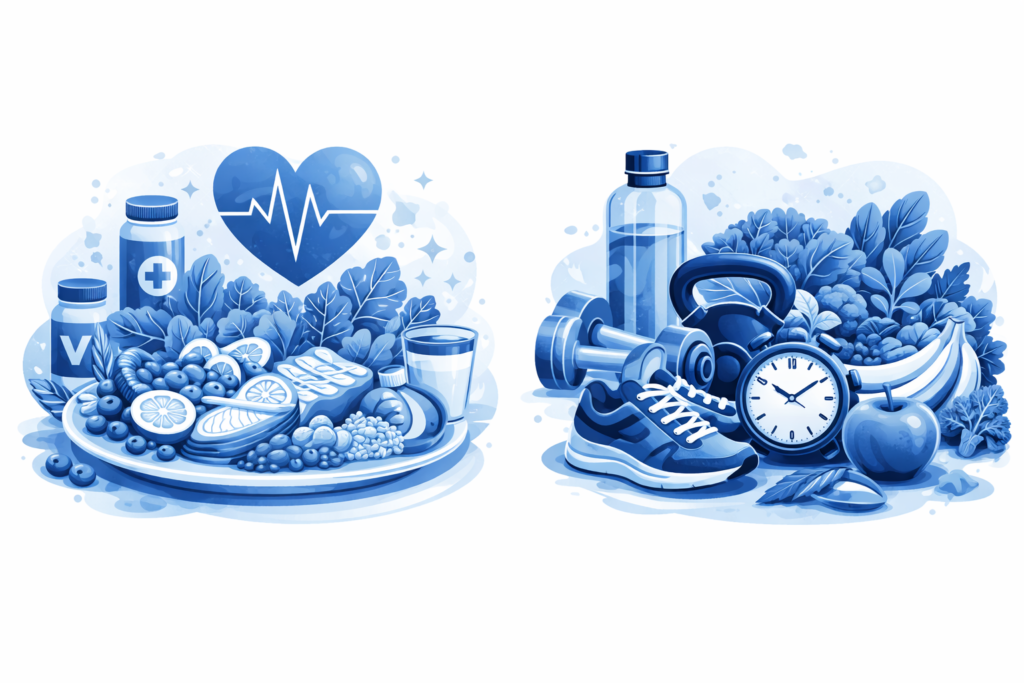
Importance of Whole Grains
Whole grains provide long-lasting energy and are rich in fiber.
Healthy Whole Grains Include:
-
Brown rice
-
Oats
-
Whole wheat bread
-
Quinoa
-
Barley
Whole grains help regulate blood sugar levels, improve digestion, and reduce the risk of heart disease.
Importance of Drinking Water
Water is one of the most important elements of a balanced diet. It plays a vital role in digestion, circulation, temperature control, and detoxification.
Benefits of Drinking Water:
-
Flushes toxins from the body
-
Improves digestion
-
Maintains skin health
-
Regulates body temperature
-
Boosts metabolism
💡 Tip: Drink at least 7–8 glasses of water daily.
Avoid Junk and Processed Food
Junk food is high in sugar, salt, and unhealthy fats. Regular consumption can lead to serious health issues such as:
-
Obesity
-
High blood pressure
-
Diabetes
-
Heart disease
-
Poor digestion
Healthier Alternatives:
-
Home-cooked meals
-
Fresh fruits
-
Roasted snacks
-
Whole grains
Reducing junk food intake is one of the most effective ways to improve overall health.
Mental Health Benefits of a Balanced Diet
A healthy diet not only benefits the body but also improves mental health.
Mental Health Benefits:
-
Reduces stress and anxiety
-
Improves concentration
-
Enhances memory
-
Improves sleep quality
-
Boosts mood
Nutrients like omega-3 fatty acids, vitamins, and minerals support brain function and emotional well-being.
Importance of Eating at the Right Time
Eating meals on time helps regulate metabolism and digestion.
Healthy Meal Timing:
-
Breakfast: Within 1 hour of waking
-
Lunch: Balanced and filling
-
Dinner: Light and early
-
Avoid late-night eating
Regular meal timing prevents acidity, bloating, and weight gain.
Portion Control for Healthy Living
Even healthy foods can cause weight gain if eaten in excess.
Tips for Portion Control:
-
Use smaller plates
-
Eat slowly
-
Avoid distractions while eating
-
Stop eating when full
Portion control helps maintain a healthy weight and prevents overeating.
Balanced Diet and Active Lifestyle
A balanced diet works best when combined with regular physical activity.
Simple Activities:
-
Walking
-
Jogging
-
Yoga
-
Cycling
-
Home workouts
Physical activity improves digestion, boosts metabolism, and strengthens muscles.
Healthy Eating Tips for Daily Life
✔ Plan meals in advance
✔ Eat fresh and homemade food
✔ Reduce sugar intake
✔ Avoid skipping meals
✔ Drink enough water
✔ Include fruits and vegetables daily
Following these habits can lead to long-term health benefits.
Conclusion
A balanced diet is the foundation of a healthy life. It provides essential nutrients, boosts immunity, improves digestion, and supports mental well-being. By eating a variety of nutritious foods, drinking enough water, and avoiding junk food, you can significantly improve your quality of life.
Healthy eating is not about strict dieting—it is about making smart food choices every day. Start small, stay consistent, and enjoy the benefits of a healthier body and mind.


Pingback: Home Workout Routine for Beginners – Easy Exercises for Daily Fitness - Nxtainews