Best API Integration Tools for Developers in 2025 (Complete Guide)


API integration has become the backbone of modern software development. Whether you are connecting cloud applications, building AI-driven platforms, or creating enterprise-grade workflows, APIs make seamless communication possible. As businesses shift to automation, machine learning, and microservices, API integration tools are more important than ever.
Choosing the right API integration tool can dramatically improve development speed, reduce errors, increase productivity, and scale your applications efficiently. In this article, we explore the best API integration tools for developers in 2025, explaining their features, strengths, and ideal use-cases.
1. Postman — Best for API Development & Testing
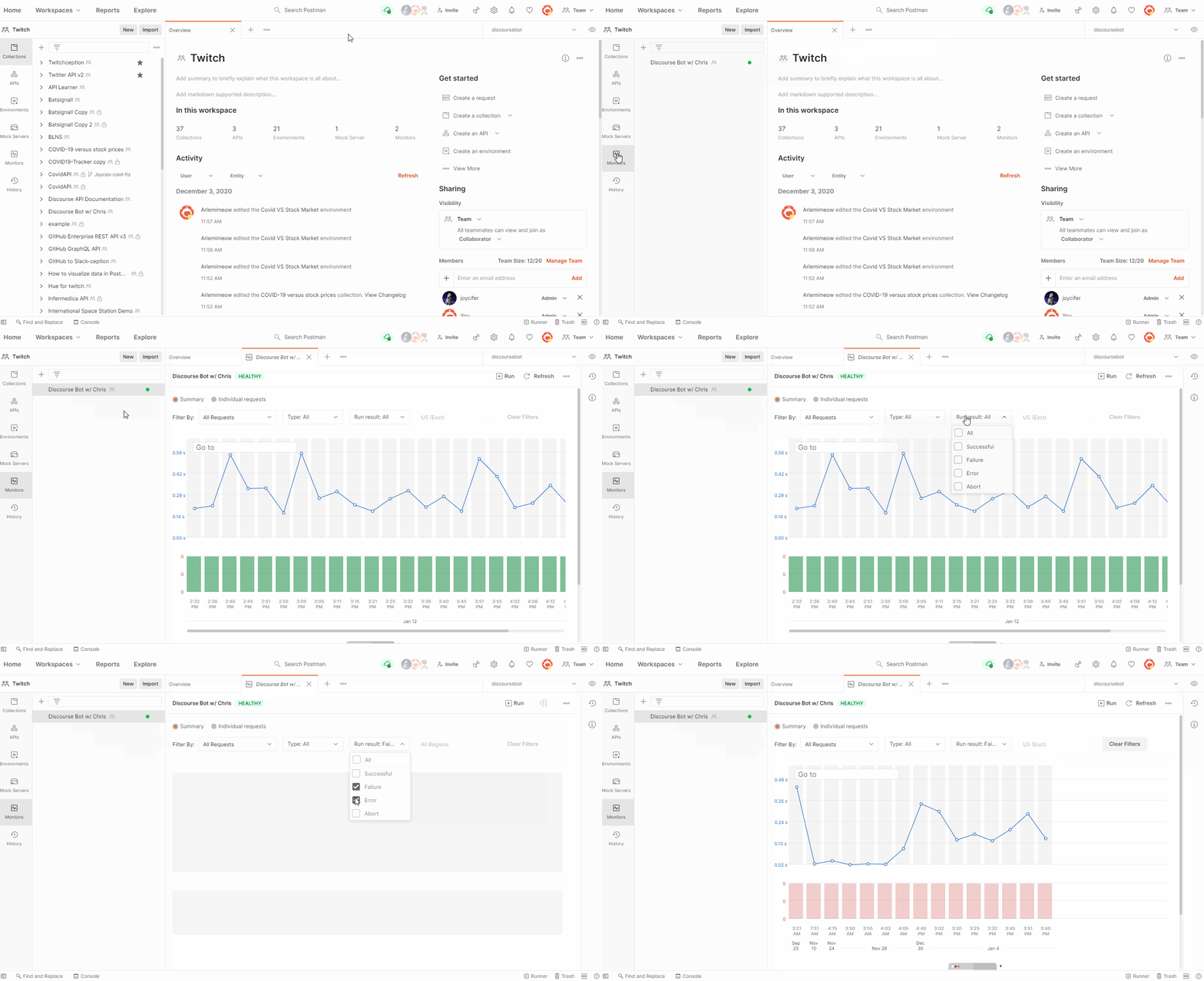
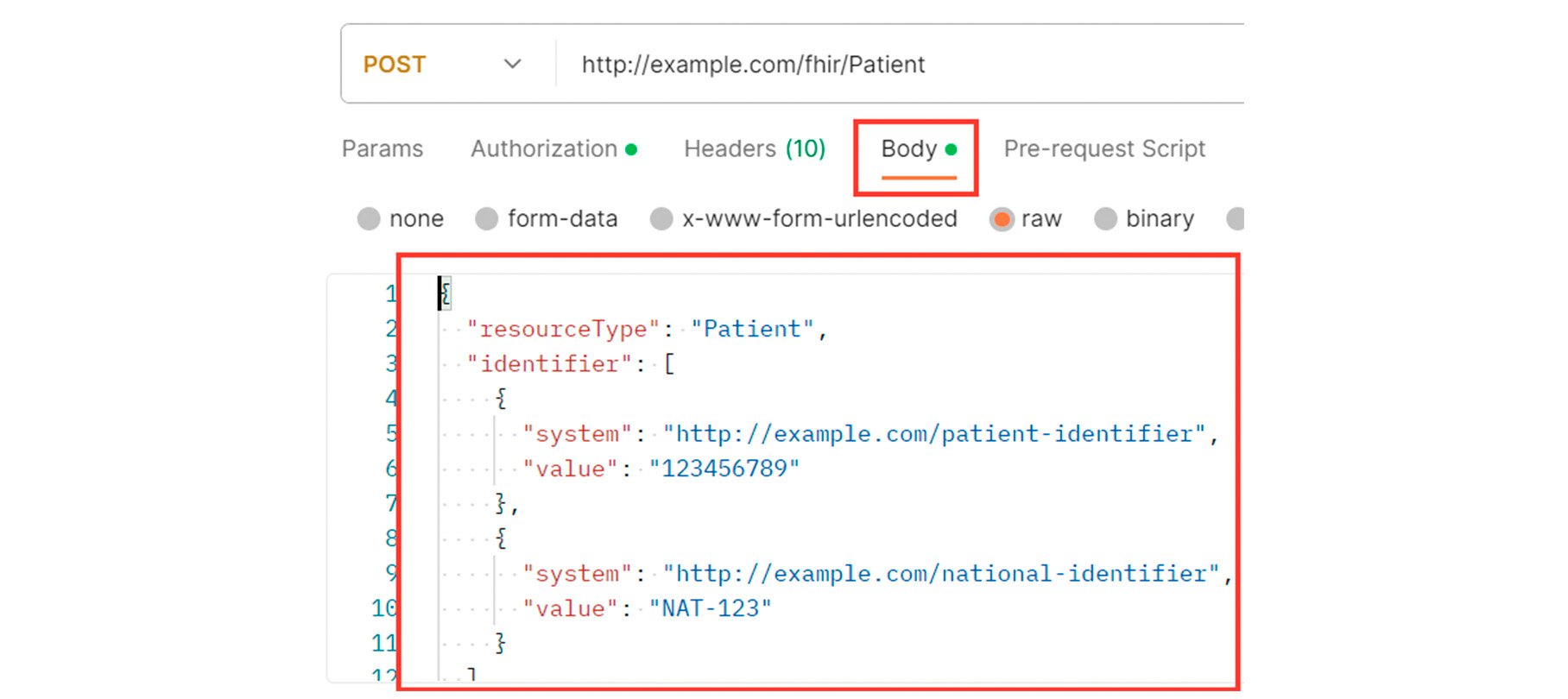
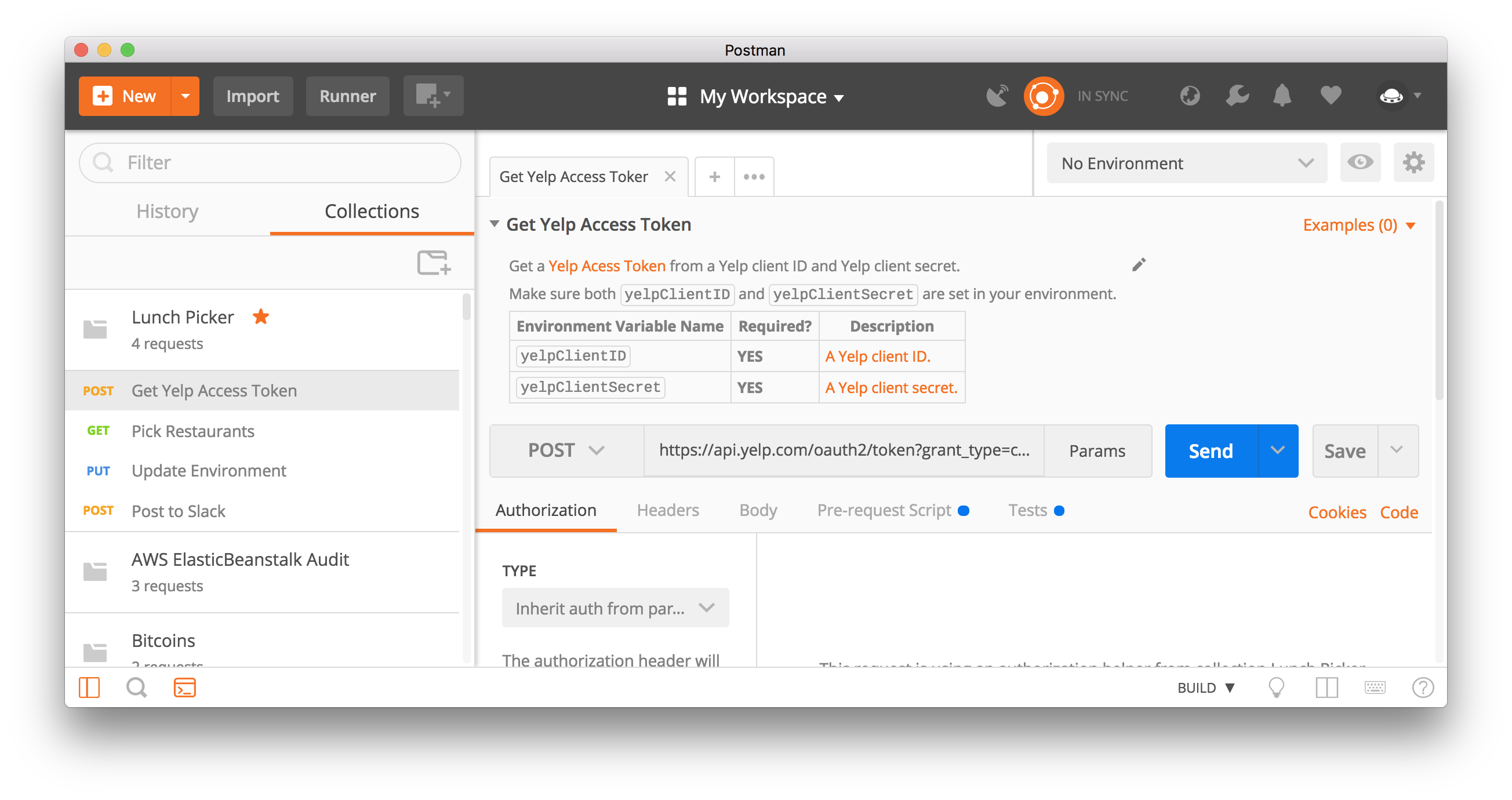
Postman remains the most widely used tool for building, testing, and documenting APIs. For developers, Postman is often the first choice because of its simplicity and powerful features. It supports REST, GraphQL, SOAP, and even WebSockets, making it suitable for almost any project.
Key Features
-
API testing, debugging, and monitoring
-
Automated test scripts using JavaScript
-
Mock servers for prototyping
-
API version control and collaboration
-
Code snippet generation for multiple languages
Why Developers Love It
Postman drastically reduces development time. Instead of manually sending HTTP requests or writing temporary scripts, you can create collections, test cases, environments, and even automate workflows with Postman Flows.
Best For
-
Testing APIs
-
Debugging integrations
-
Collaborating with teams
-
Building documentation
2. MuleSoft Anypoint Platform — Best for Enterprise Integration
MuleSoft Anypoint is a robust and enterprise-grade integration platform that allows developers to connect cloud applications, databases, legacy systems, and microservices under one ecosystem. Large companies rely on it because of its strong security, automation, and scalability.
Key Features
-
API lifecycle management
-
Pre-built connectors for SaaS apps
-
Monitoring and performance analytics
-
Highly scalable for enterprise workloads
-
Drag-and-drop flow builder
Why It Stands Out
What makes MuleSoft powerful is its ability to integrate anything — CRM, ERP, AI tools, financial systems, or IoT devices — with a consistent API management layer.
Best For
-
Large organizations
-
Multi-system integration
-
Enterprise security and governance
3. Zapier — Best No-Code API Integration Tool
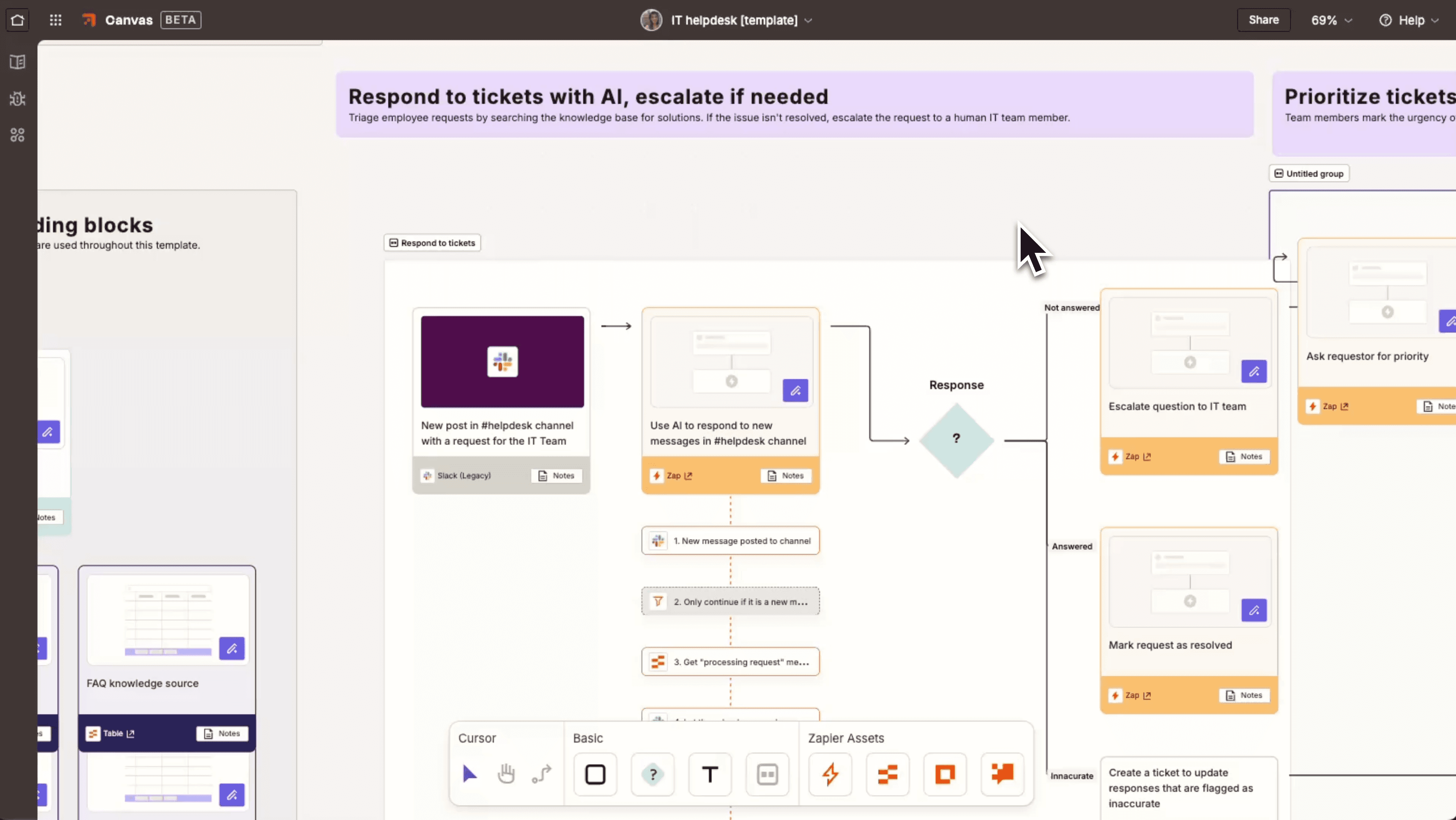
Zapier is one of the most popular automation tools that allows developers and non-technical teams to integrate APIs without writing code. With over 6,000+ app integrations, Zapier makes it incredibly easy to automate tasks.
Key Features
-
No-code integrations with thousands of apps
-
Multi-step workflows
-
AI-powered automation
-
Webhooks for custom API triggers
-
Scheduled or instant data sync
Why Developers Use It
Even though developers can code integrations manually, Zapier is great for quick prototypes, automation, and connecting SaaS services without wasting development time.
Best For
-
Small and mid-sized businesses
-
Rapid automation
-
MVP development
4. Boomi — Best for Low-Code Workflow Integration
Boomi is a cloud-native integration platform known for connecting complex business systems. It uses a visual, low-code interface that allows teams to design integrations quickly.
Key Features
-
Low-code workflow builder
-
Cloud and on-premises integrations
-
ETL and data transformation
-
Event-based triggers
-
Real-time monitoring
Why Developers Choose It
Boomi simplifies pipelines that would otherwise take weeks to build manually. It’s especially useful in organizations that depend on fast data movement between internal systems.
Best For
-
Enterprises
-
Finance, healthcare, logistics
-
Integrating multiple data sources
5. IBM API Connect — Best for Secure API Management
IBM API Connect provides enterprise-level API creation, management, governance, and analytics. It’s ideal for organizations needing strict compliance and security.
Key Features
-
API gateway with high-end security
-
OAuth, SSO, and advanced policy controls
-
Analytics dashboard
-
Developer portal
-
Microservices support
Why It’s Powerful
Its security and compliance features make IBM API Connect a top choice for industries like banking, healthcare, and government.
Best For
-
High-security environments
-
Large organizations
-
Regulated industries
6. Swagger (OpenAPI) — Best for API Documentation & Design
Swagger, part of the OpenAPI ecosystem, is the industry standard for designing, documenting, and generating API specs.
Key Features
-
API design and schema validation
-
Auto-generates code in multiple languages
-
Developer-friendly documentation
-
Supports REST, JSON schemas, and OpenAPI
Why Developers Use It
Swagger makes API architecture clean and maintainable. Once the API contract is built, developers can generate client SDKs, server stubs, and even automated tests.
Best For
-
Designing REST APIs
-
Creating interactive documentation
-
Maintaining consistency across teams
7. Hevo Data — Best for Data Pipeline Integrations
Hevo Data is specially built for real-time ETL and API-based data movement. If your integration involves analytics, AI, or dashboards, Hevo is extremely efficient.
Key Features
-
150+ integrations
-
Real-time data syncing
-
Reliable data pipelines
-
Fully managed infrastructure
-
Transformations using Python or models
Why It Stands Out
Hevo removes the complexity of manually building ETL systems, especially when working with data warehouses like BigQuery, Snowflake, and Redshift.
Best For
-
Data engineering teams
-
Analytics & AI platforms
-
Real-time data syncing
8. Apigee (Google Cloud) — Best for Cloud-Native API Management
Apigee is Google’s advanced API management platform. It helps developers create, secure, scale, and analyze APIs — especially in cloud-native environments.
Key Features
-
API gateway with high throughput
-
Machine learning–based analytics
-
Threat detection
-
Monetization tools
-
Full API lifecycle support
Best For
-
Cloud architecture
-
Microservices
-
Large-scale API deployments
9. n8n — Best Open-Source Automation Tool
n8n is an open-source alternative to Zapier and Make.com. It allows developers to create workflows and integrate APIs using JavaScript.
Key Features
-
Self-hosting
-
Open-source code
-
Custom modules
-
Flexible workflow builder
-
Supports REST/GraphQL APIs
Best For
-
Developers who prefer open-source tools
-
Building complex automations
-
Hosting integrations on your own server
10. Make (formerly Integromat) — Best Visual Workflow Automation
Make is loved for its visual, modular workflow builder that allows complex automations with very little coding.
Key Features
-
Visual editor
-
Thousands of integrations
-
API module for custom requests
-
Real-time error handling
-
Multi-step logic
Best For
-
Agencies
-
AI automation
-
Multi-system workflows
Which API Integration Tool Should You Use?
Choosing the right tool depends on your goals.
If you’re a developer testing APIs:
-
Postman
-
Swagger
If you’re integrating complex enterprise systems:
-
MuleSoft
-
IBM API Connect
-
Boomi
If you want simple, fast automation:
-
Zapier
-
Make
-
n8n
If you’re working with data pipelines:
-
Hevo Data
-
Boomi
If you’re building cloud-native apps:
-
Apigee
-
Google Cloud integrations
Final Thoughts
API integration tools are essential for building modern applications — from small personal projects to enterprise AI systems. The right tool can reduce development time, streamline processes, increase interoperability, and maintain consistent performance across systems.
In 2025, developers have a wide range of options, from no-code to enterprise-grade platforms. Whether you’re building a chatbot, automating workflows, integrating AI APIs, or connecting complex business systems, the tools above will give you everything you need.