Introduction
As climate change accelerates, the term carbon neutrality—often used interchangeably with net zero—has become central to global climate discussions. Governments pledge it, corporations advertise it, and international organizations promote it as a pathway to a sustainable future. Yet for many people, the meaning of net zero remains unclear, misunderstood, or oversimplified.
So, what does net zero really mean? Is it about eliminating all emissions, or simply offsetting them? Is carbon neutrality achievable, or just a political slogan?
This article explains carbon neutrality in clear terms, how net zero works, why it matters, and the challenges and criticisms surrounding it.
What Is Carbon Neutrality?

Carbon neutrality means achieving a balance between the carbon dioxide (CO₂) emitted into the atmosphere and the carbon removed or offset from it.
In simple terms:
Carbon emitted – Carbon removed = Net zero
This does not always mean zero emissions. Instead, it means that any remaining emissions are balanced through actions such as:
-
Carbon capture
-
Reforestation
-
Renewable energy investments
-
Verified carbon offset programs
United Nations – Climate Action
What Does “Net Zero” Really Mean?
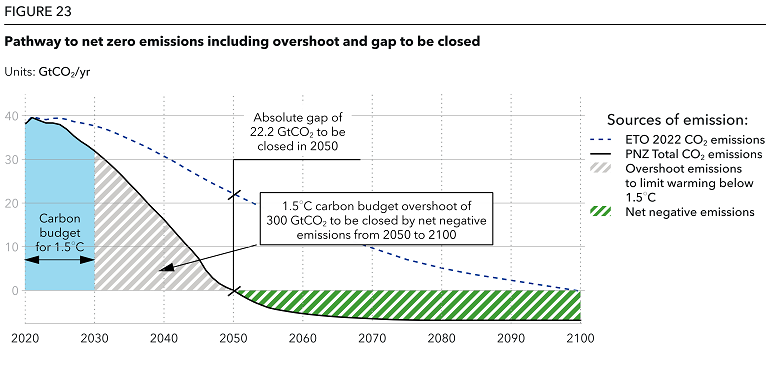

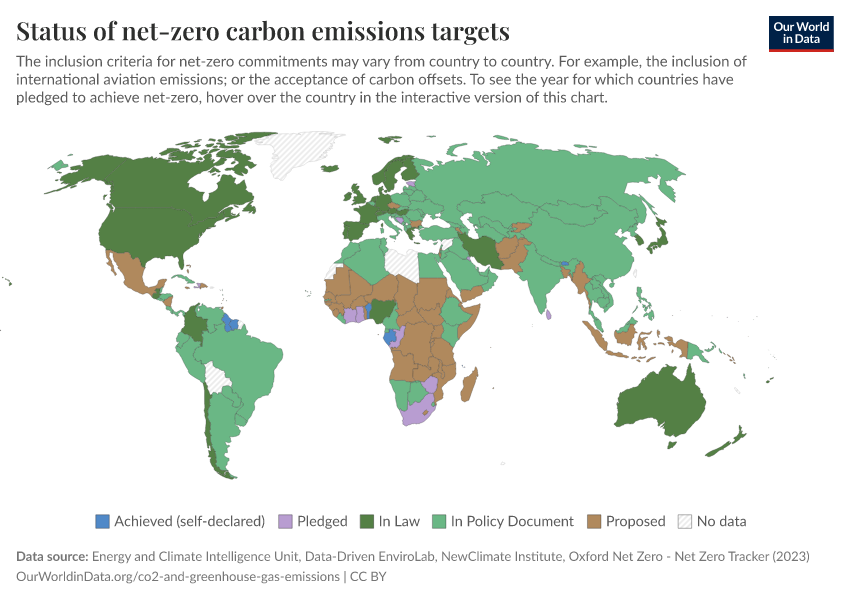
Net zero emissions refers to reducing greenhouse gas emissions as close to zero as possible, with only unavoidable emissions being offset.
Net Zero vs Carbon Neutrality
While often used interchangeably, there is a subtle difference:
-
Carbon Neutrality
-
Often focuses only on CO₂
-
Can rely heavily on offsets
-
Commonly used by companies and individuals
-
-
Net Zero
-
Includes all greenhouse gases (CO₂, methane, nitrous oxide)
-
Prioritizes emission reductions first
-
Used mainly by governments and global institutions
-
Net zero is generally considered more rigorous and credible than basic carbon neutrality.
Why Carbon Neutrality Matters


Carbon neutrality is critical because greenhouse gas emissions are the primary driver of global warming.
International Energy Agency – Net Zero Explained
Key Reasons It Matters
-
🌍 Limits global temperature rise
-
🌱 Protects ecosystems and biodiversity
-
🏙️ Reduces pollution and health risks
-
💰 Prevents long-term economic damage
-
🔒 Enhances energy security
According to climate scientists, reaching global net zero by mid-century is essential to limit warming to 1.5°C, the threshold beyond which climate impacts become far more severe.
How Countries Achieve Net Zero


Governments pursue carbon neutrality through a combination of policies and technologies:
1. Transition to Renewable Energy
-
Solar, wind, hydro, and geothermal
-
Phasing out coal and fossil fuels
2. Energy Efficiency
-
Green buildings
-
Efficient transport systems
-
Smart grids
3. Electrification
-
Electric vehicles
-
Electrified public transport
-
Clean heating systems
4. Carbon Removal
-
Reforestation and afforestation
-
Carbon capture and storage (CCS)
-
Nature-based solutions
Corporate Net Zero Commitments



Thousands of companies have pledged to become carbon neutral or net zero. These commitments are often driven by:
-
Investor pressure
-
Consumer expectations
-
ESG regulations
-
Cost savings from efficiency
You May Also Read: The Global Reach and Convening Power of Davos: Why the World Economic Forum Shapes Global Agendas
Common Corporate Actions
-
Switching to renewable electricity
-
Reducing supply chain emissions
-
Using carbon offsets
-
Redesigning products and packaging
However, critics argue that some companies rely too heavily on offsets, delaying real emissions reductions.
Carbon Offsets: Solution or Problem?
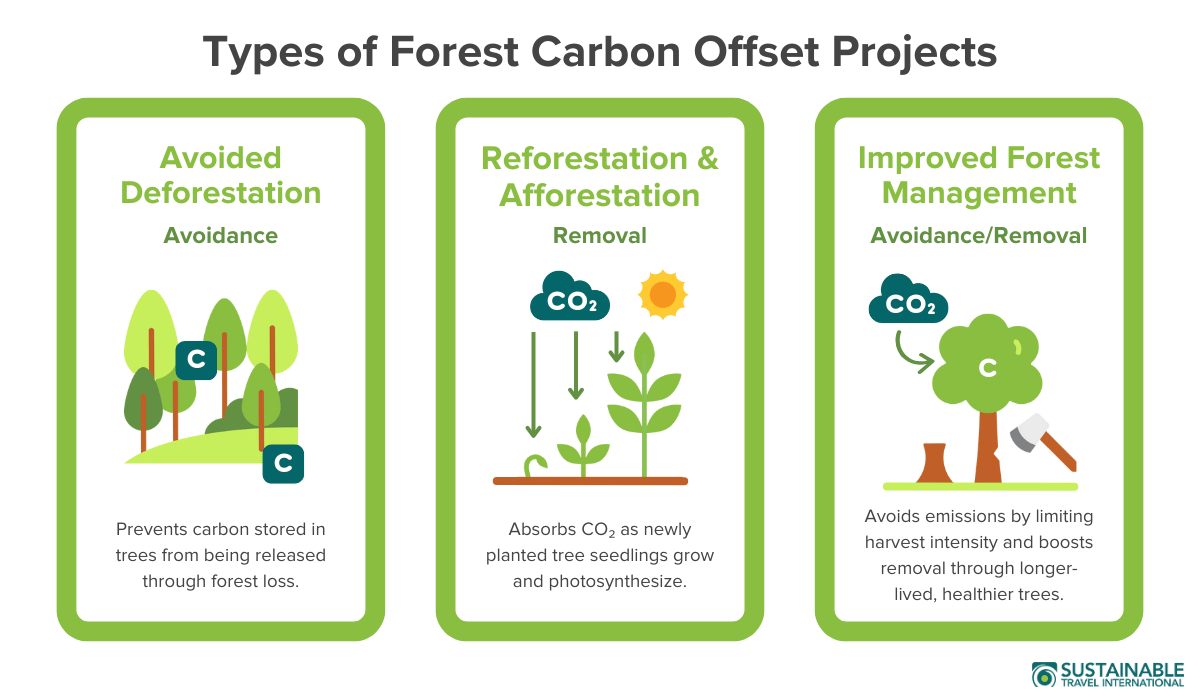


Carbon offsets allow individuals or companies to compensate for emissions by funding projects that reduce or remove carbon elsewhere.
Examples
-
Tree planting
-
Renewable energy projects
-
Methane capture
-
Soil carbon projects
The Debate
✔ Benefits:
-
Enables immediate action
-
Funds climate solutions
-
Supports developing regions
❌ Concerns:
-
Difficult to verify impact
-
Risk of “greenwashing”
-
Temporary or reversible benefits
Experts agree: offsets should complement, not replace, emission reductions.
Challenges to Achieving Net Zero


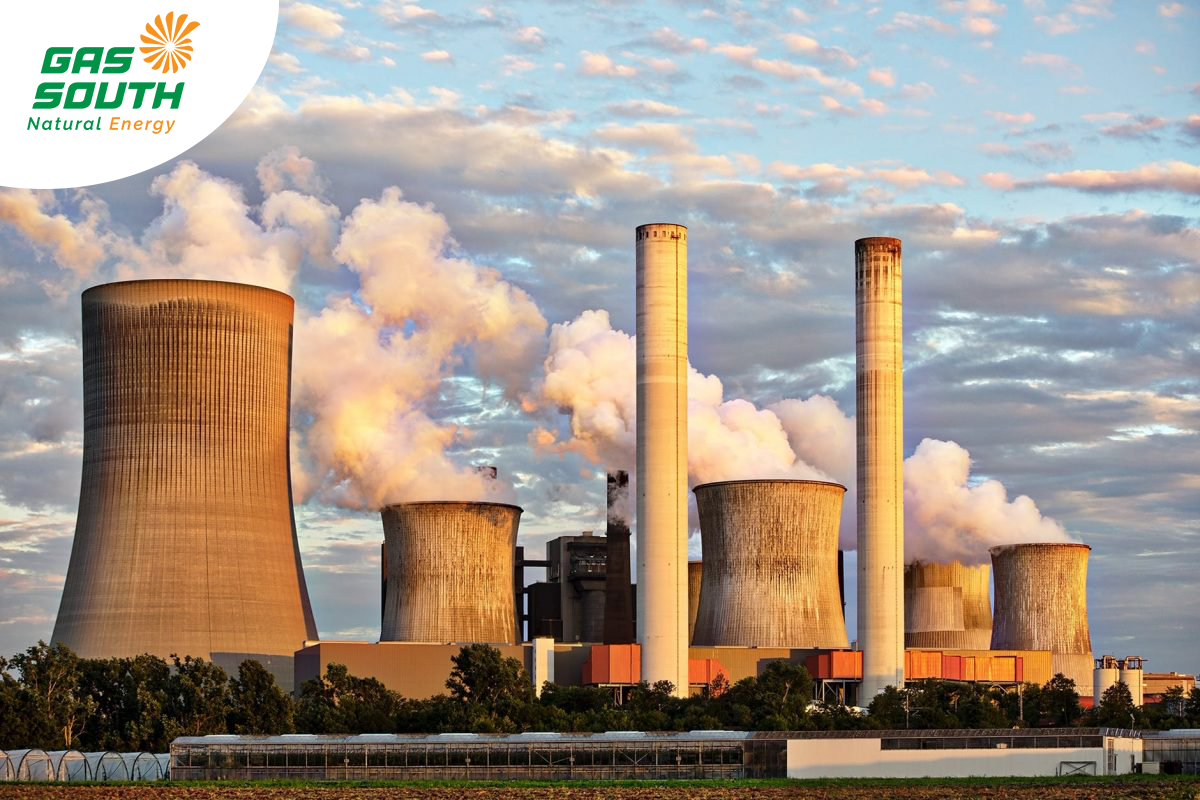
Achieving carbon neutrality is complex and faces several obstacles:
1. Technological Limits
Some sectors—like aviation, cement, and steel—are hard to decarbonize.
2. Economic Costs
Upfront investments can be high, especially for developing countries.
3. Political Resistance
Climate policies can face opposition due to:
-
Job concerns
-
Energy prices
-
Short-term political cycles
4. Global Inequality
Countries differ greatly in:
-
Historical emissions
-
Financial capacity
-
Technological access
Is Net Zero Realistic?



Reaching net zero is challenging but achievable—if action is taken quickly and consistently.
What makes it realistic:
-
Rapid decline in renewable energy costs
-
Advances in battery and storage technology
-
Growing public awareness
-
Stronger climate policies
What makes it difficult:
-
Slow implementation
-
Weak enforcement
-
Overreliance on future technologies
Net zero is not a single destination—it is a continuous process of transformation.
Conclusion



Carbon neutrality and net zero are not just buzzwords—they are essential strategies for preventing the worst impacts of climate change. While carbon neutrality balances emissions today, net zero focuses on transforming systems for the future.
Understanding what net zero really means helps individuals, businesses, and governments make informed decisions and avoid misleading claims. The path to carbon neutrality is complex, but with innovation, accountability, and global cooperation, it remains one of humanity’s most important goals.


Pingback: Electric Vehicles and Climate Change: Are EVs Really Better? - Nxtainews