Introduction: CES 2026 Marks a Turning Point
CES 2026 did not feel like a traditional tech expo. Instead of flashy prototypes chasing headlines, this year’s show felt strategic, grounded, and inevitable. Artificial intelligence was no longer presented as a future promise—it was infrastructure. Robots were no longer curiosities—they were workers. Devices were no longer “smart”—they were context-aware.
Held in Las Vegas, CES 2026 showcased how technology is quietly shifting from screens and apps to systems that act, learn, and adapt in the real world. This article breaks down the most important announcements, trends, and signals from CES 2026—and what they mean for consumers, businesses, and the tech industry as a whole.
CES 2026, organized by the Consumer Technology Association (CTA), showcased how artificial intelligence and robotics are becoming core infrastructure rather than experimental technology.
1. Artificial Intelligence Becomes Invisible but Essential
From “AI-Powered” to AI-Native
One of the most striking changes at CES 2026 was how AI branding disappeared—because it no longer needed explanation. Nearly every major product used AI, but few marketed it loudly.
Key developments included:
-
On-device AI models running locally on phones, laptops, TVs, and home hubs
-
Personal AI agents capable of planning tasks across apps and services
-
Contextual awareness, where devices respond based on location, time, behavior, and intent
Instead of asking users for commands, systems increasingly anticipated needs.
Why This Matters
This shift signals a move away from novelty toward trust and reliability. Local AI processing reduces latency, improves privacy, and allows devices to function even without constant cloud access. In short, AI has become as fundamental as electricity—always on, rarely noticed.
2. Humanoid Robots Step Into Real Jobs

Robots Finally Leave the Demo Stage
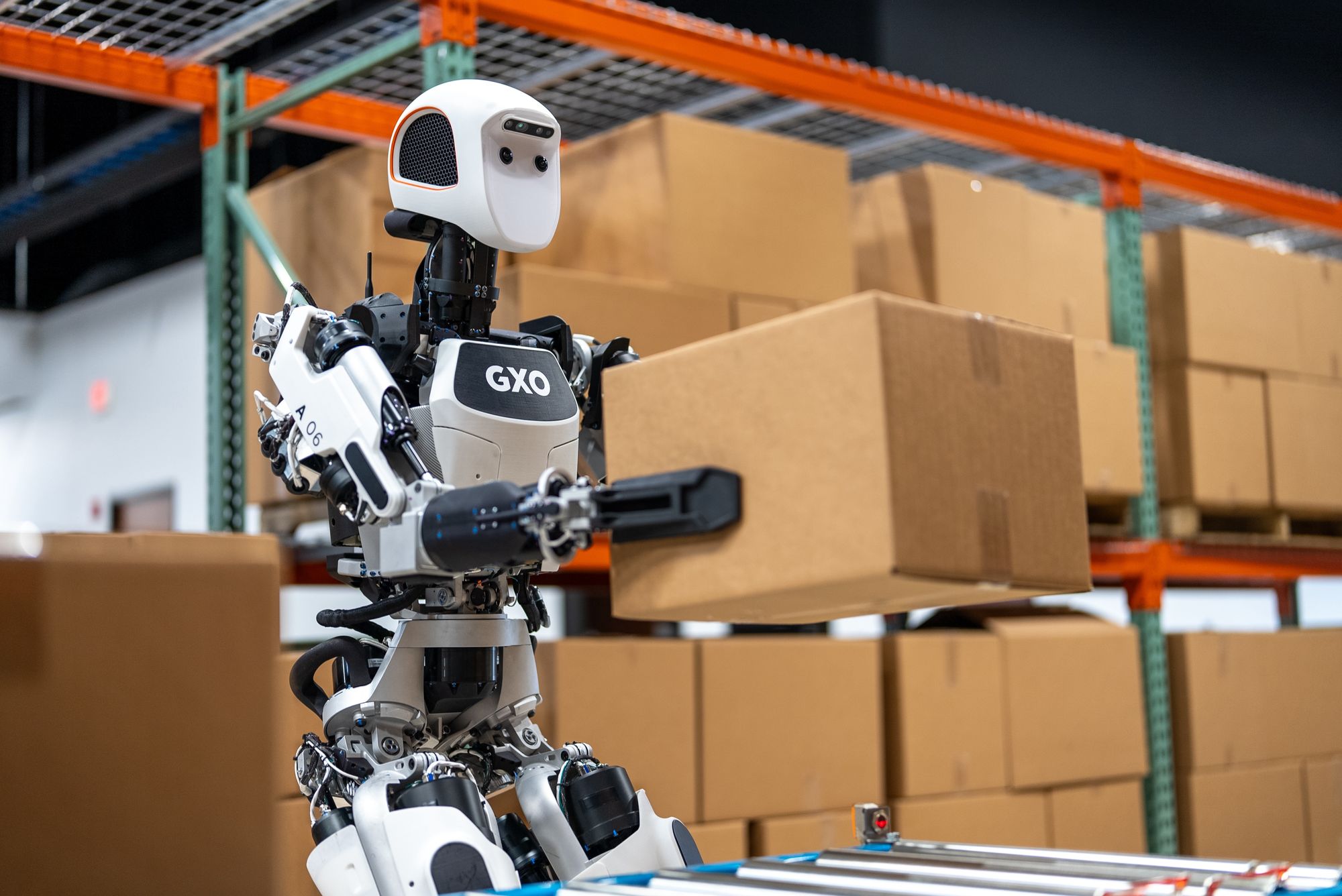
Robotics was one of the most crowded and compelling sections of CES 2026. Unlike previous years, robots were not performing scripted tricks. They were:
-
Moving boxes in simulated warehouses
-
Assisting patients in healthcare environments
-
Navigating retail spaces and hotels autonomously
Humanoid robots drew the most attention, but purpose-built service robots showed the fastest path to mass adoption.
What Changed in 2026?
Three breakthroughs made this possible:
-
Better vision systems powered by multimodal AI
-
Improved dexterity using adaptive grippers and tactile sensors
-
Lower production costs, making deployment financially viable
The Bigger Picture
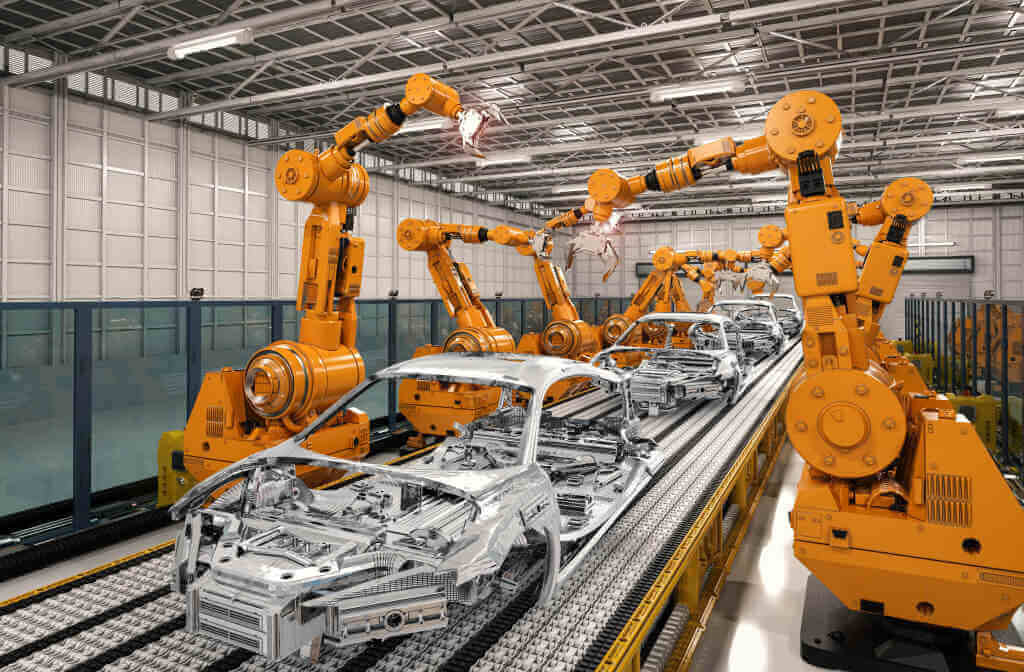
Robots are not replacing humans overnight. Instead, they are filling labor gaps in logistics, elder care, hospitality, and manufacturing. CES 2026 made it clear: physical AI is the next frontier.
Many of the AI and robotics breakthroughs seen at CES 2026 were powered by next-generation AI chips and accelerators, an area where companies like NVIDIA continue to lead innovation.
3. Chips Designed for an AI-First World
Efficiency Beats Raw Power
At CES 2026, semiconductor companies focused less on peak performance and more on performance per watt. AI’s biggest constraints today are energy consumption and heat—and chipmakers are responding.
Key trends:
-
Dedicated AI accelerators for edge devices
-
New memory architectures optimized for large models
-
Hardware–software co-design to reduce wasted computation
Why Chips Matter More Than Apps
AI progress is now limited by hardware scalability. The chips unveiled at CES 2026 aim to:
-
Enable all-day AI processing on portable devices
-
Reduce data-center energy usage
-
Bring advanced models to cars, robots, and appliances
This quiet revolution in silicon may be the most important story of the show.
Also Read When Algorithms Decide, Who Gets to Say No?
4. Smart Homes Become Truly Intelligent

Less Setup, More Understanding
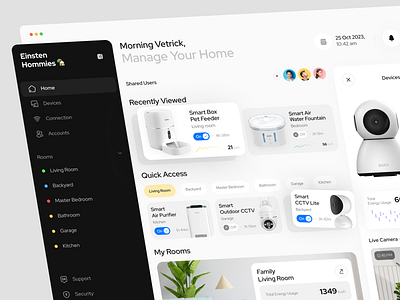
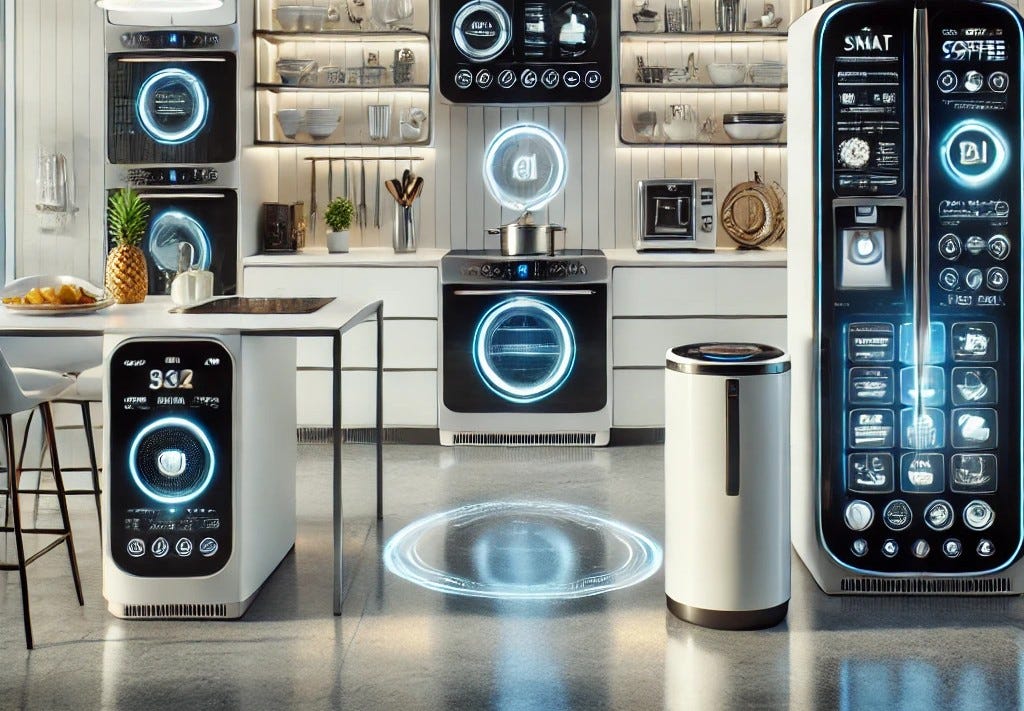
Smart homes finally delivered on a long-standing promise: simplicity. Instead of configuring endless rules, users interacted with systems that learned naturally.
Highlights included:
-
Homes that adjust lighting and temperature based on behavior
-
AI security systems that distinguish people, pets, and packages
-
Appliances that optimize energy use automatically
Privacy Takes Center Stage
Many smart-home systems now process data locally. This reduces cloud dependency and builds trust—an essential step for widespread adoption.
5. Mobility and Automotive Intelligence Advance Quietly
No Flying Cars—Just Smarter Ones
CES 2026 avoided overhyping autonomy. Instead, automakers and suppliers focused on incremental intelligence:
-
AI copilots that adapt to driving style
-
Predictive maintenance systems
-
Improved sensor fusion using AI
Why This Approach Works
Rather than chasing full autonomy, companies are delivering immediate value—safer driving, better efficiency, and enhanced in-car experiences.
6. Spatial Computing Finds Practical Use
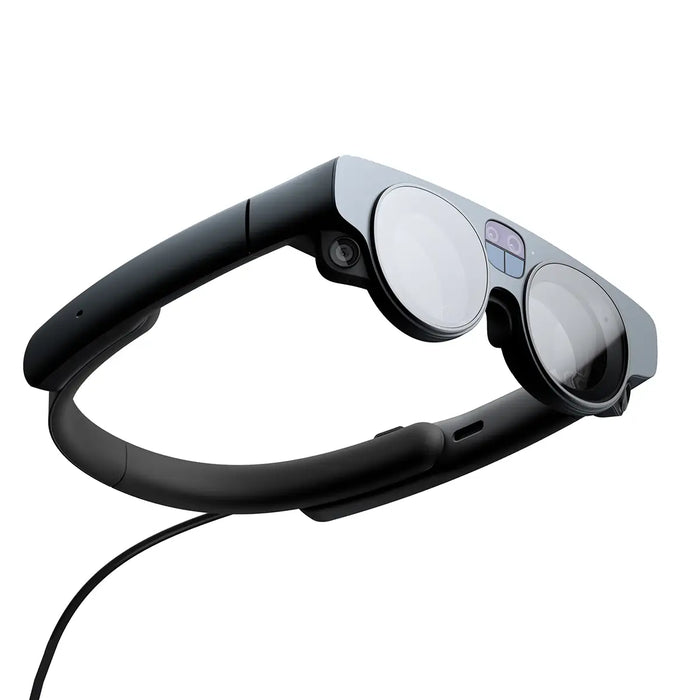

From Hype to Utility
Spatial computing at CES 2026 felt mature. Devices were lighter, battery life improved, and use cases were clearly defined:
-
Workforce training
-
Product design and visualization
-
Remote collaboration
AI played a key role by enabling real-time object recognition and spatial mapping.
7. Health Tech and AI-Driven Wellness
Health technology quietly emerged as a major winner at CES 2026.
Key innovations:
-
Wearables that detect early health anomalies
-
AI-powered sleep and stress monitoring
-
Remote patient-care systems using robotics
These tools focus on prevention, not just treatment—an important shift in healthcare technology.
8. Sustainability Through Intelligence
Rather than marketing “green tech,” companies embedded sustainability into system design:
-
AI-optimized energy grids
-
Smart buildings that reduce waste automatically
-
Manufacturing tools that minimize material loss
Efficiency, not virtue signaling, defined sustainability at CES 2026.
9. What CES 2026 Reveals About the Future of Technology
CES 2026 showed a clear direction:
-
AI becomes ambient, not attention-seeking
-
Robots become coworkers, not curiosities
-
Hardware and software merge into unified systems
-
Efficiency replaces excess as the primary innovation goal
Technology is becoming less about screens and more about actions.
10. Final Thoughts: Why CES 2026 Matters
CES 2026 will be remembered as the year technology stopped trying to impress—and started trying to work.
The future unveiled in Las Vegas is:
-
Quieter
-
Smarter
-
More physical
-
More integrated into daily life
For consumers, this means devices that feel natural. For businesses, it means automation that finally delivers ROI. And for the tech industry, it marks the beginning of the AI-native era.


Pingback: AI Scams Are Getting Smarter: How to Spot and Avoid Them - Nxtainews