Walking is one of the simplest yet most powerful habits for improving your overall health.Daily walking for weight loss, While fitness trends come and go, one goal has stayed consistently popular: reaching 10,000 steps per day. This number isn’t just a trend — it represents a realistic, achievable way to improve physical fitness, boost mental well-being, and support long-term health.
In this complete guide, we will explore the science-backed benefits of walking 10,000 steps daily, how many calories you burn, how to fit it into your schedule, and why thousands of people are transforming their health with this one simple change.
🌿 1. Why 10,000 Steps? The Origin of the Goal


The “10,000 steps” idea originated in Japan in the 1960s with a pedometer campaign. Over time, scientific studies have confirmed that walking between 8,000–10,000 steps a day significantly improves:
-
Cardiovascular health
-
Longevity
-
Metabolism
-
Mental well-being
-
Weight control
So while the number is simple, the benefits are real and measurable.
❤️ 2. Improves Heart Health and Circulation

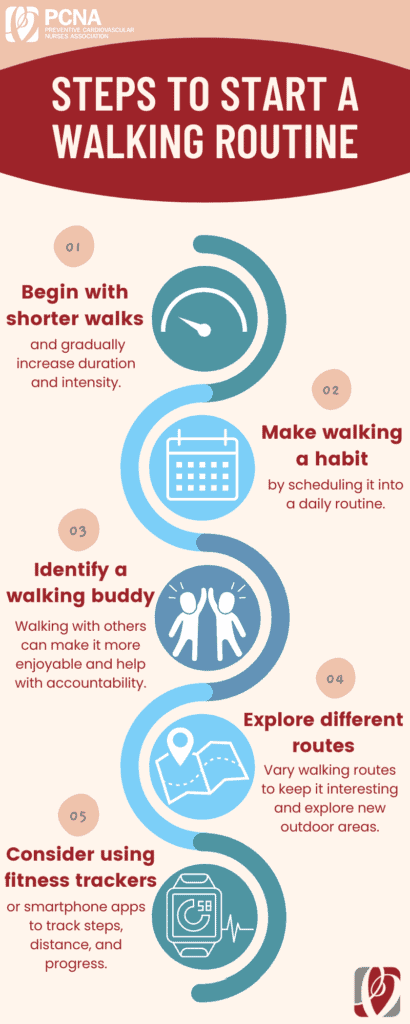
Regular walking strengthens your heart, increases circulation, and helps lower the risk of heart disease. Hitting 10,000 steps a day can:
-
Reduce high blood pressure
-
Lower LDL (bad cholesterol)
-
Improve overall cardiovascular performance
Walking increases your heart rate just enough to keep your heart strong—without the intensity of heavy workouts.
You May Also Read Interstellar Comet 3I/ATLAS: The Mysterious Visitor From Beyond Our Solar System (2026 Full Guide)
⚖️ 3. Helps With Weight Management and Fat Loss

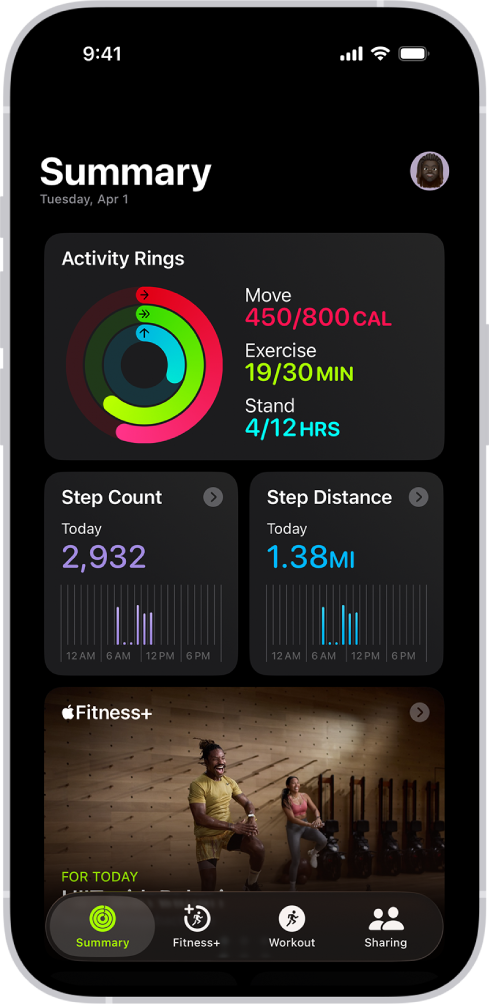
Walking 10,000 steps burns 300–500 calories, depending on your speed and body weight. Over time, this contributes to:
-
Fat loss
-
Better metabolism
-
Reduced belly fat
-
Improved BMI levels
Because walking is low-impact, it’s perfect for beginners and sustainable long-term.
🧠 4. Boosts Mental Health and Reduces Stress


Walking is scientifically linked to improved mental clarity and emotional well-being. Ten thousand steps daily can:
-
Reduce anxiety and stress
-
Boost serotonin and dopamine
-
Improve sleep
-
Enhance focus and creativity
Walking outdoors amplifies the effect by exposing you to natural light and fresh air.
🏋️ 5. Strengthens Muscles and Bones
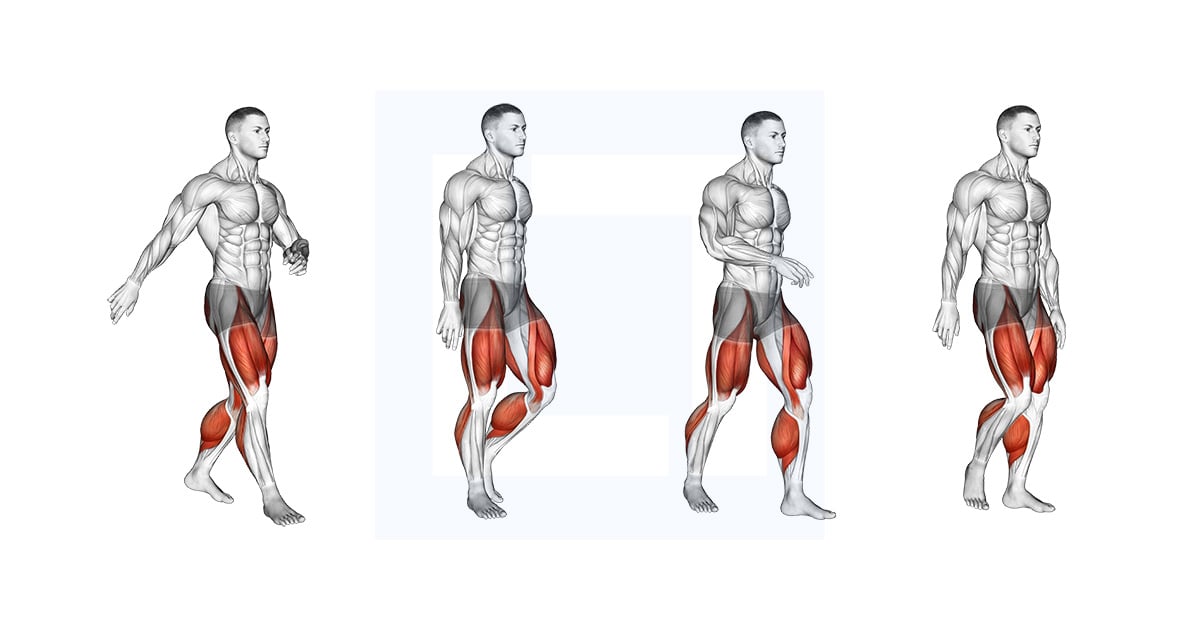

Walking engages major muscle groups including:
-
Legs
-
Glutes
-
Lower back
-
Core
It also improves bone density, reducing the risk of osteoporosis. The consistent movement helps improve posture, joint flexibility, and overall mobility.
🔥 6. Supports Healthy Blood Sugar Levels

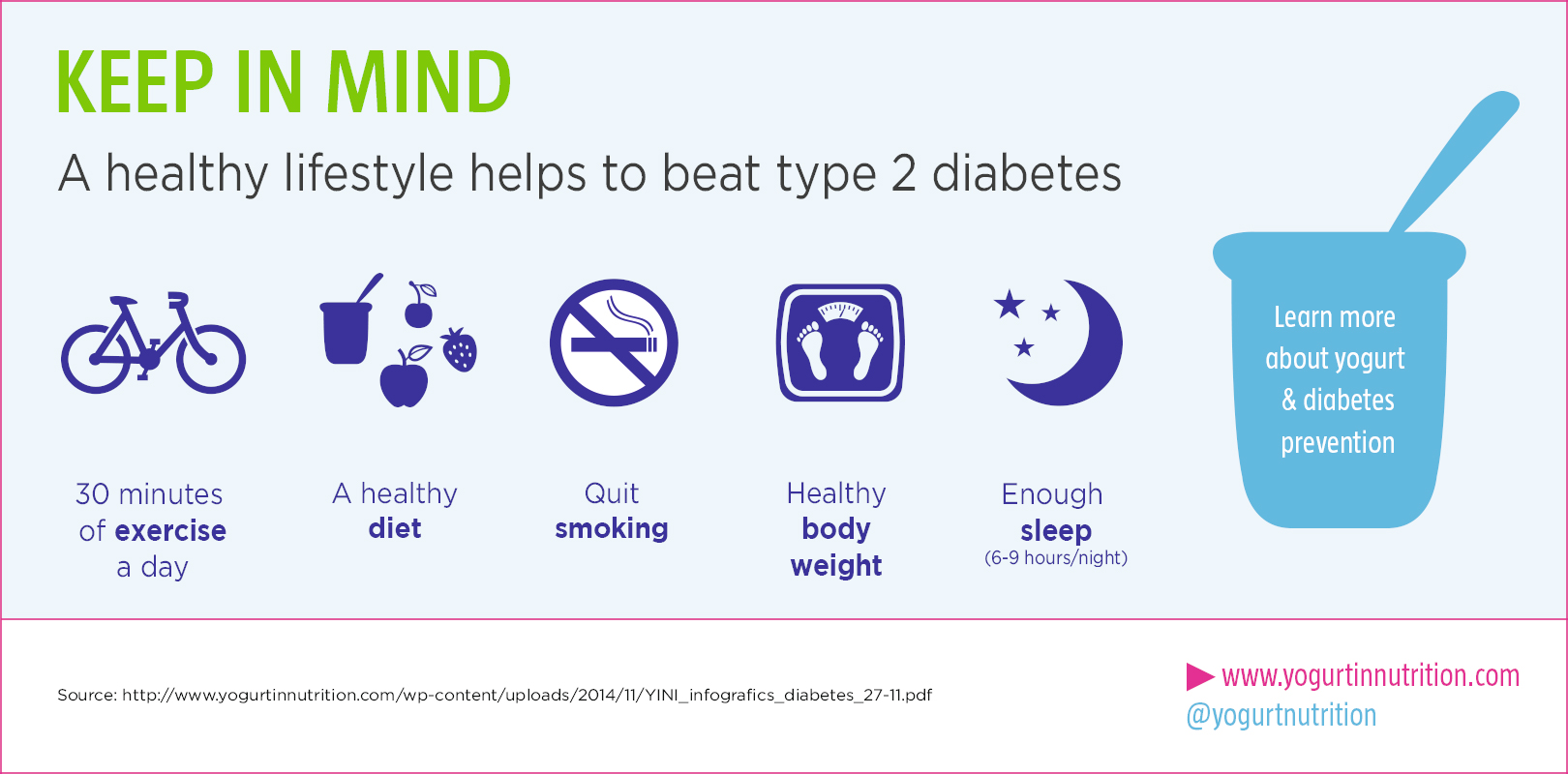
Studies show that walking—especially after meals—helps stabilize blood sugar. For people with insulin resistance or type 2 diabetes, daily walking can dramatically improve glucose control.
Reaching 10,000 steps spreads movement throughout the day, preventing long sedentary periods that spike blood sugar.
🧬 7. Boosts Longevity and Overall Lifespan


Long-term research reveals that people who walk 8,000–10,000 steps daily significantly reduce their risk of:
-
Heart disease
-
Stroke
-
Cancer
-
Cognitive decline
Walking keeps your body active in a natural, balanced way that supports a longer, healthier life.
📱 8. Walking Is the Most Accessible Exercise


Anyone can begin walking:
-
No equipment needed
-
No gym membership
-
Works at any age
-
Safe for beginners
-
Can be done indoors or outdoors
All you need is a pair of comfortable shoes and a daily goal.
🔢 9. How Many Calories Do 10,000 Steps Burn?
The calories burned depend on body weight and speed:
| Body Weight | Calories Burned / 10,000 steps |
|---|---|
| 55 kg (120 lbs) | ~300 calories |
| 70 kg (155 lbs) | ~400 calories |
| 85 kg (187 lbs) | ~500 calories |
| 100 kg (220 lbs) | ~600 calories |
Walking faster, uphill, or carrying weight increases calorie burn even more.
⏱️ 10. How Much Time Does 10,000 Steps Take?
On average:
-
Slow walk → 1 hour 50 minutes
-
Moderate walk → 1 hour 30 minutes
-
Fast walk → 1 hour 10 minutes
You can break it up throughout the day in smaller sessions.
🧭 11. How to Reach 10,000 Steps Easily
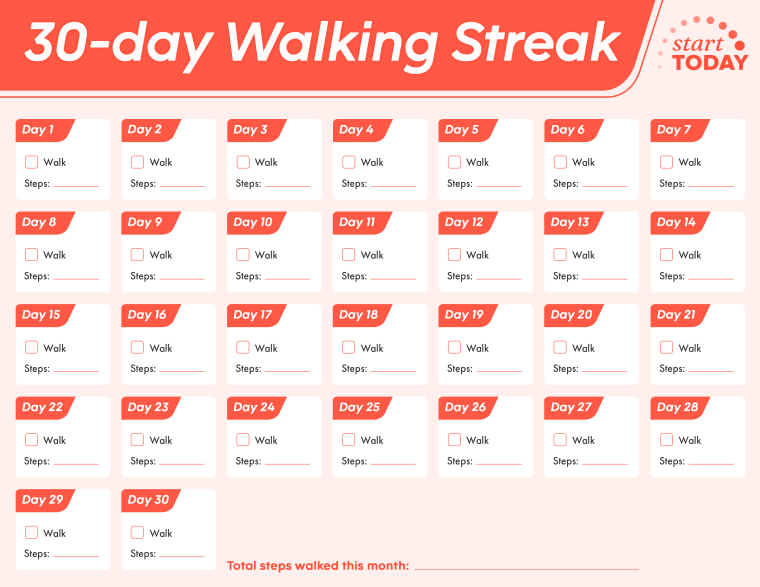

Here are simple ways to get more steps:
✔ Walk while talking on the phone
✔ Take the stairs, not the elevator
✔ Park farther away
✔ Take a 10-minute walk after each meal
✔ Do short walking breaks during work
✔ Walk your dog longer
✔ Use a step tracker or smartwatch
Consistency is the key.
👟 12. The Best Time of Day to Walk
There’s no “perfect” time — but each has its benefits:
🌅 Morning
Boosts energy, metabolism, and mood.
🌞 Afternoon
Helps prevent post-lunch fatigue.
🌙 Evening
Reduces stress and improves sleep.
Choose the time that fits your lifestyle.
🧩 13. Health Conditions Improved by Walking 10,000 Steps
Walking daily may help with:
-
High blood pressure
-
High cholesterol
-
Type 2 diabetes
-
Obesity
-
Anxiety and depression
-
Joint stiffness
-
Chronic fatigue
Doctors often recommend walking as a first-line treatment.
😌 14. Mental Clarity, Creativity & Emotional Balance


Walking stimulates brain activity and increases oxygen flow. This improves:
-
Problem-solving ability
-
Creativity
-
Focus
-
Productivity
Many successful people take “walking meetings” for this reason.
🌿 15. Walking 10,000 Steps Helps You Sleep Better
Regular walking regulates your circadian rhythm, reduces stress hormones like cortisol, and improves deep sleep quality.
People who walk daily fall asleep faster and wake up feeling more refreshed.
⭐ Conclusion
Walking 10,000 steps daily is one of the most powerful habits you can adopt. It strengthens your heart, improves mental well-being, supports weight loss, boosts longevity, and requires no equipment. Whether you’re trying to get fit, reduce stress, or improve overall health, walking is the perfect starting point.
Start with what you can — 3,000, 5,000, or 7,000 steps — and gradually work towards the 10,000-step goal. Your body and mind will thank you.



Pingback: NASA’s Artemis Mission: A New Era of Human Exploration on the Moon (2026 Deep-Dive Guide) - Nxtainews