Introduction
Electric vehicles (EVs) are often promoted as a key solution to climate change. Governments encourage their adoption, car manufacturers invest billions in EV technology, and consumers are told that switching to an electric car is one of the best ways to reduce their carbon footprint.
But a critical question remains: are electric vehicles really better for the climate? Critics argue that EVs still rely on electricity generated from fossil fuels, require resource-intensive batteries, and shift emissions rather than eliminate them.
This article takes a clear, evidence-based look at electric vehicles and climate change, examining whether EVs genuinely reduce emissions, how they compare to gasoline cars, and what challenges still remain.
How Transportation Contributes to Climate Change
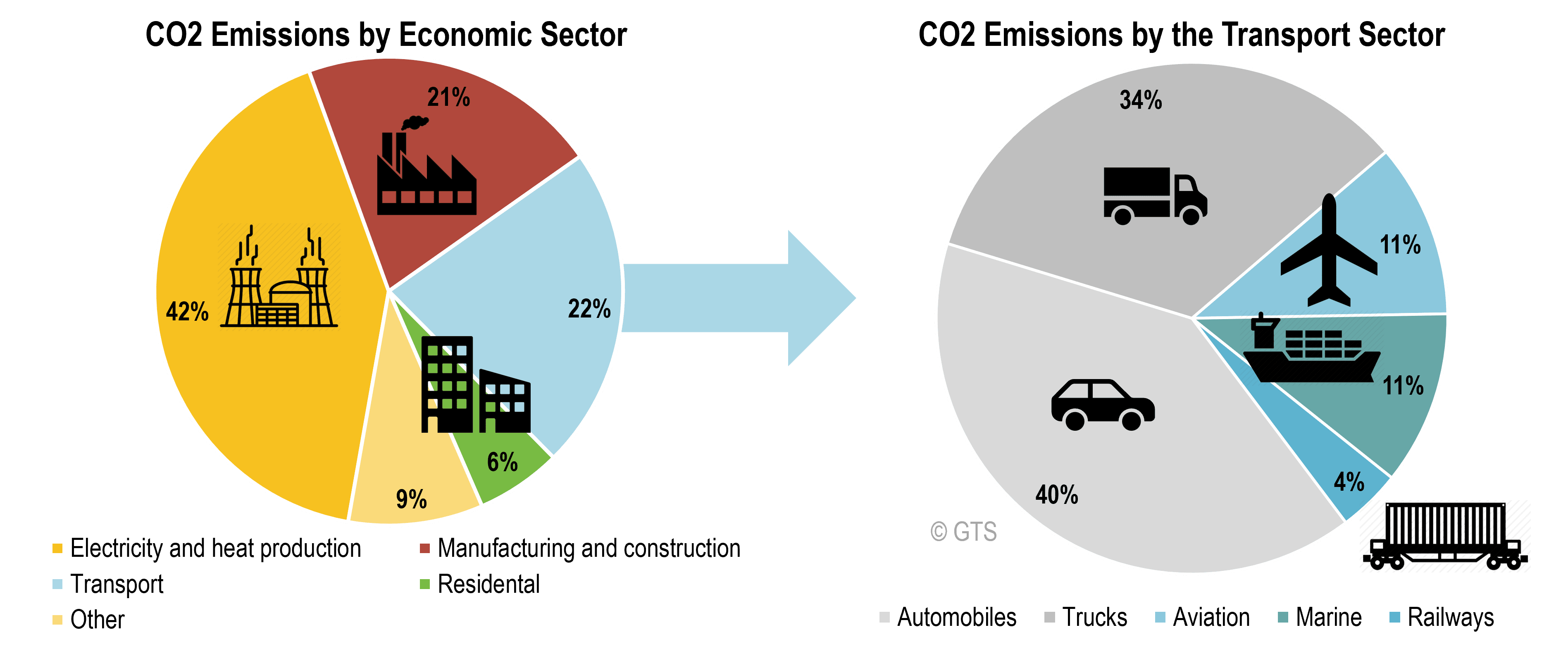


Transportation is one of the largest sources of greenhouse gas emissions worldwide. Conventional vehicles powered by gasoline or diesel burn fossil fuels, releasing carbon dioxide (CO₂) directly into the atmosphere.
Key Facts
-
Road transport accounts for a significant share of global CO₂ emissions
-
Passenger cars are a major contributor
-
Emissions increase with traffic growth and urbanization
Reducing emissions from transportation is therefore essential to meeting climate targets and net zero goals.
International Energy Agency – Electric Vehicles
What Makes Electric Vehicles Different?


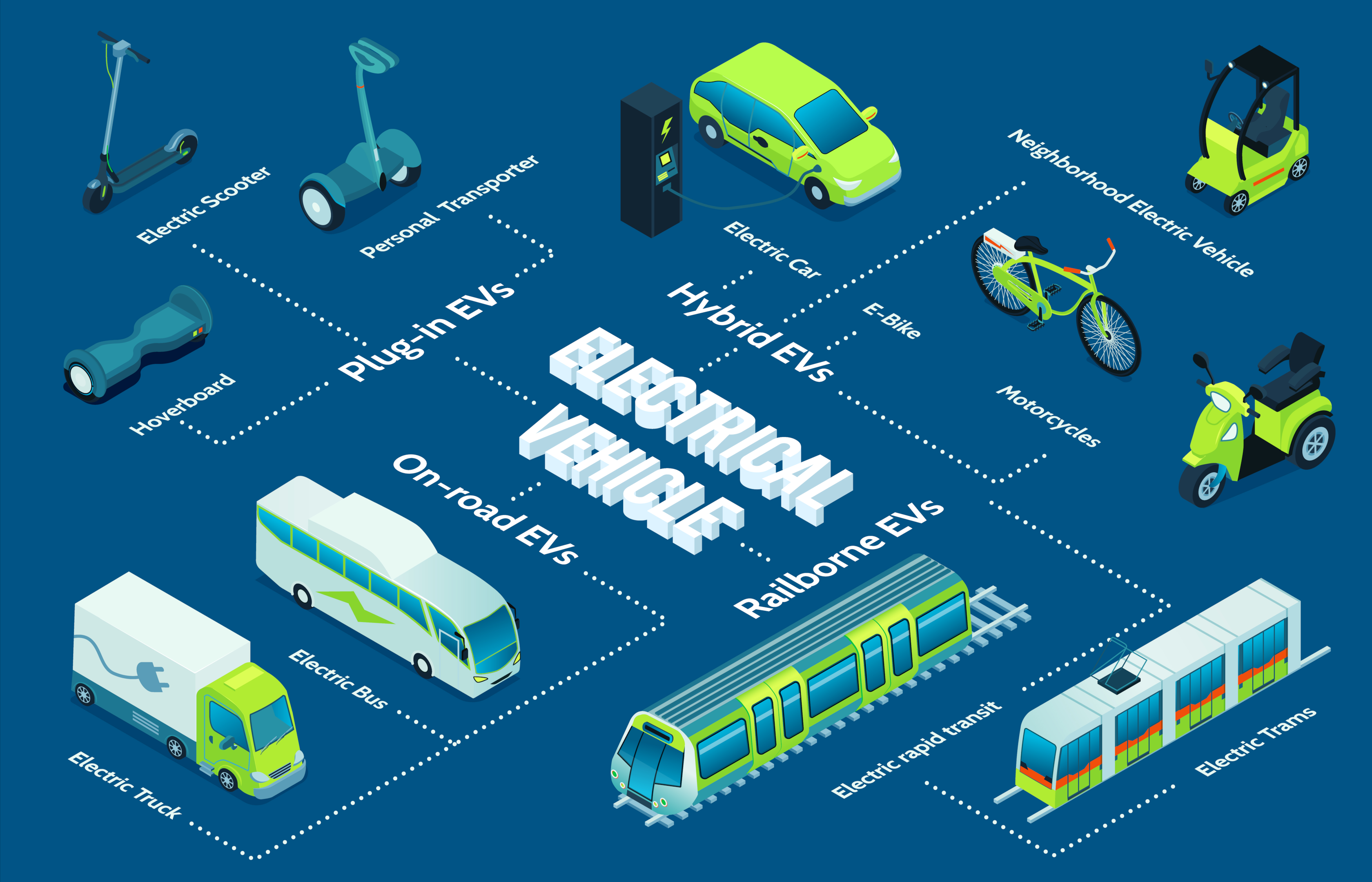
Electric vehicles differ from traditional cars in one fundamental way:
they do not burn fuel.
How EVs Work
-
Powered by rechargeable batteries
-
Use electric motors instead of internal combustion engines
-
Produce zero tailpipe emissions
This means EVs do not emit carbon dioxide, nitrogen oxides, or particulate matter while driving—making them especially beneficial in cities.
EVs vs Gasoline Cars: Emissions Comparison


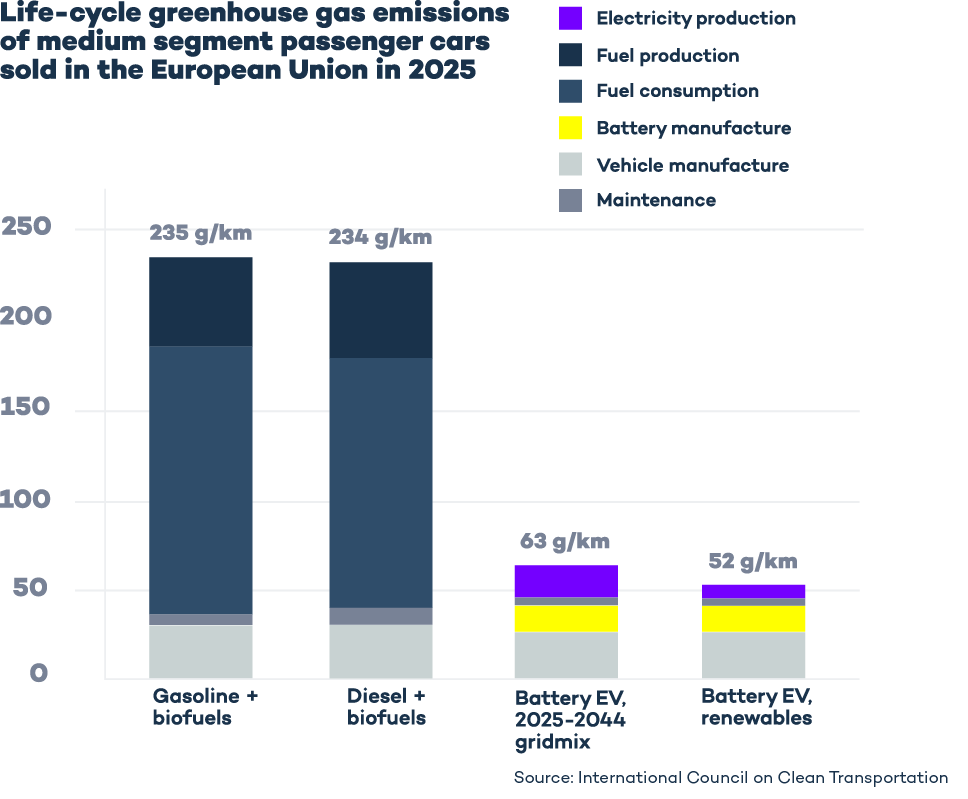
Tailpipe Emissions
-
Gasoline cars: Continuous CO₂ emissions
-
Electric vehicles: Zero tailpipe emissions
United Nations – Sustainable Transport
Lifecycle Emissions
The real comparison must include:
-
Vehicle manufacturing
-
Battery production
-
Electricity generation
-
Vehicle lifetime usage
Studies consistently show that over their full lifecycle, EVs emit significantly less greenhouse gases than gasoline vehicles, even when powered by fossil-fuel-heavy electricity grids.
The Role of Electricity Generation
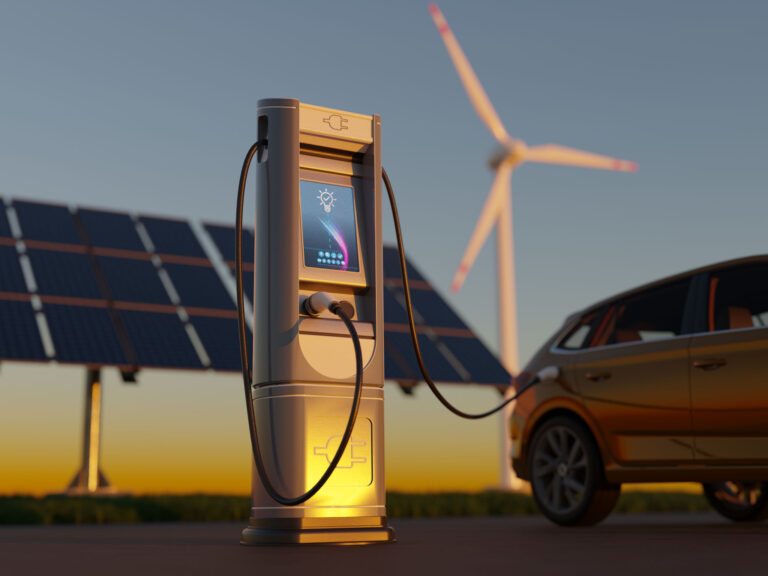


The climate impact of EVs depends heavily on how electricity is produced.
You may Also Read : Carbon Neutrality Explained: What Net Zero Really Means
Clean Energy Grids
-
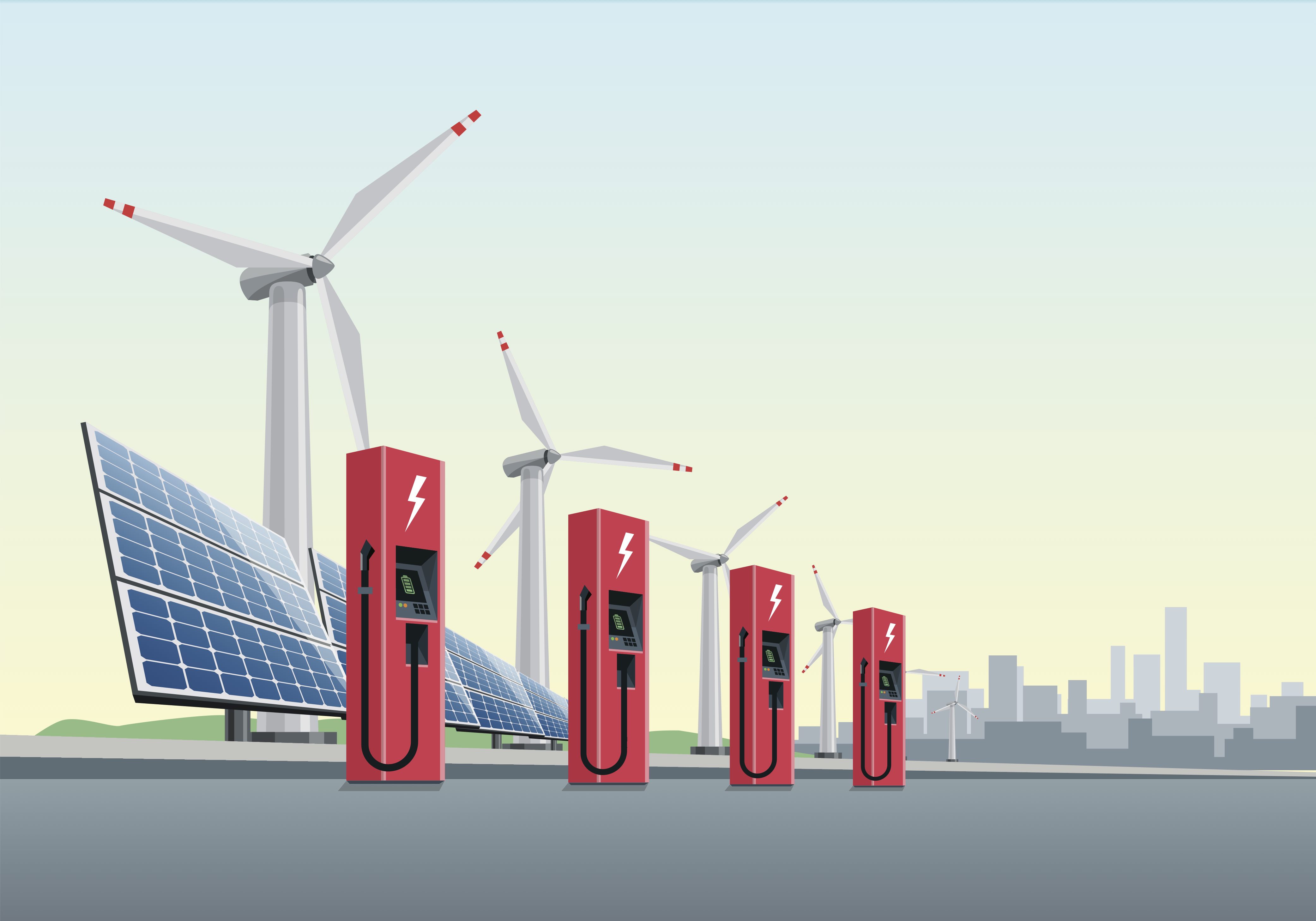
EVs powered by renewable energy (solar, wind, hydro) offer major emission reductions
-
As grids decarbonize, EVs automatically become cleaner
Fossil-Fuel-Heavy Grids
-
Even on coal-heavy grids, EVs are often more efficient than gasoline cars
-
Centralized power plants are easier to regulate and improve than millions of individual engines
In short: the cleaner the grid, the greener the EV.
Battery Production and Environmental Concerns

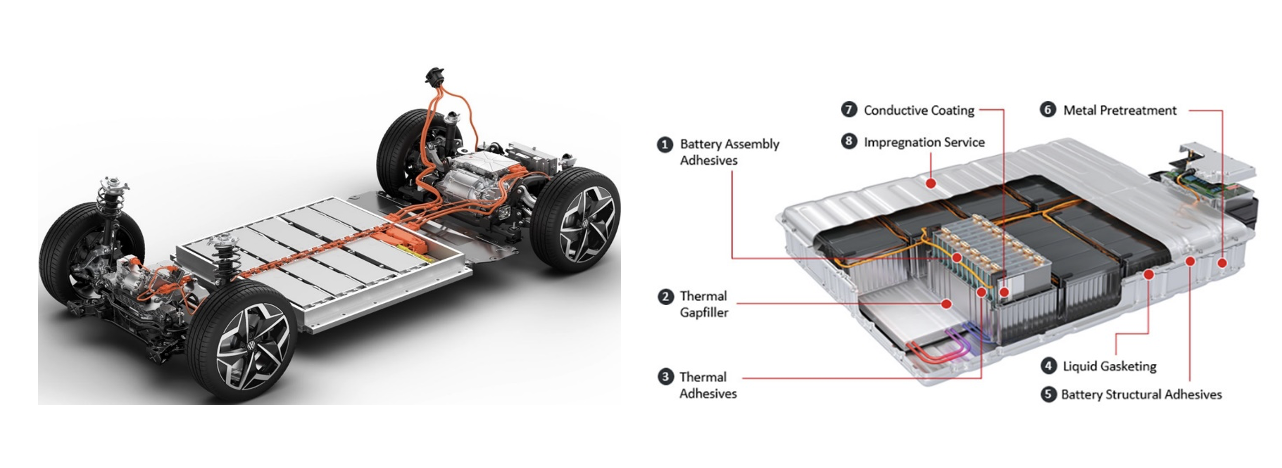

One of the biggest criticisms of EVs involves battery manufacturing.
Environmental Challenges
-
Mining of lithium, cobalt, and nickel
-
Energy-intensive battery production
-
Environmental and social impacts in mining regions
Improvements Underway
-
Better battery chemistry with fewer rare minerals
-
Battery recycling technologies
-
Longer battery lifespans
-
Cleaner manufacturing powered by renewables
While battery production does increase upfront emissions, EVs typically offset this within a few years of driving.
Are Electric Vehicles Truly Climate Friendly?

Benefits of EVs
-
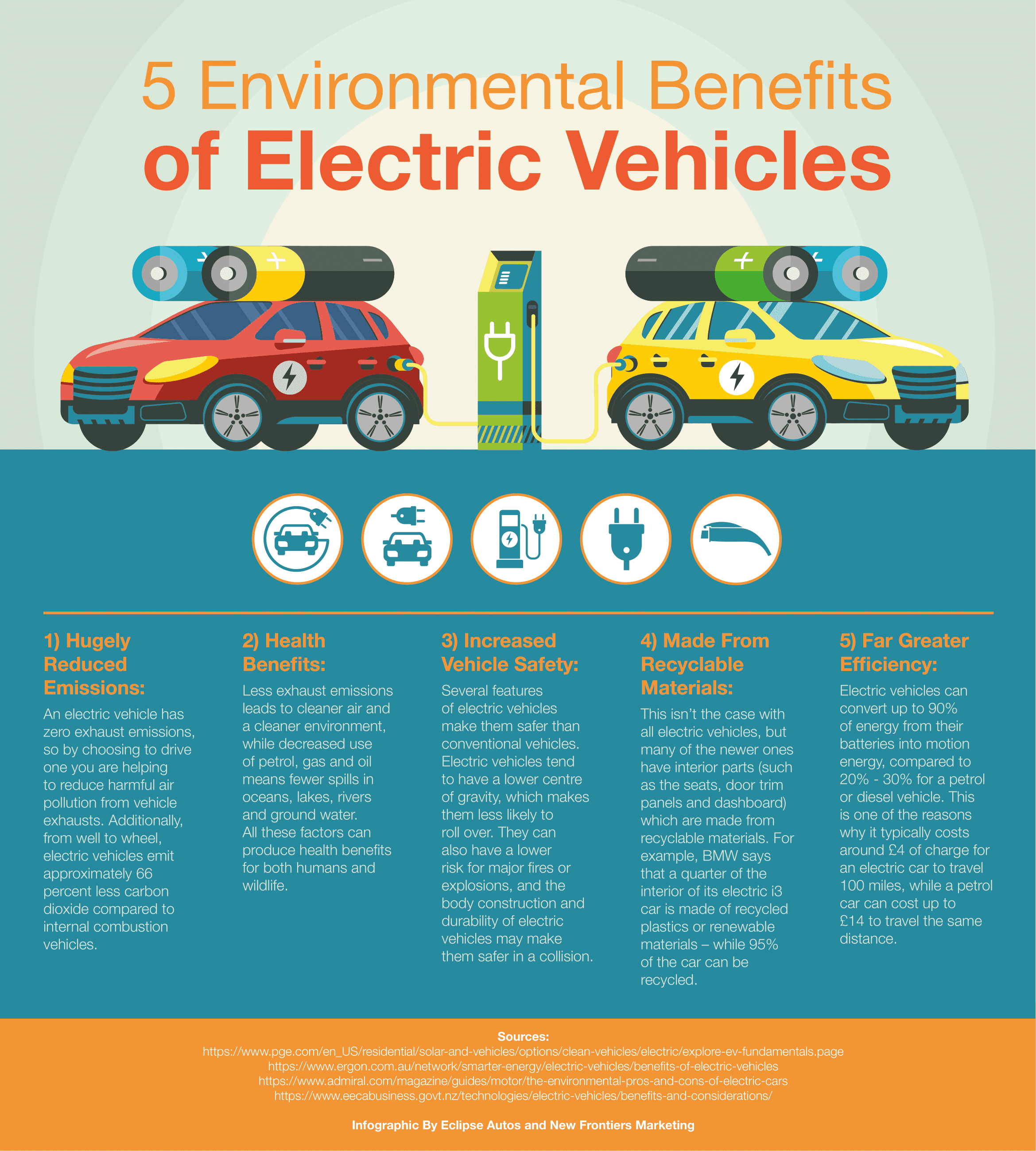
Lower lifetime emissions
-
Reduced air pollution
-
Higher energy efficiency
-
Lower operating emissions over time
Limitations
-
Not emission-free at production stage
-
Dependent on electricity mix
-
Infrastructure challenges
EVs are not a perfect solution, but they are clearly better for the climate than conventional vehicles, especially as clean energy expands.
Electric Vehicles and Net Zero Goals


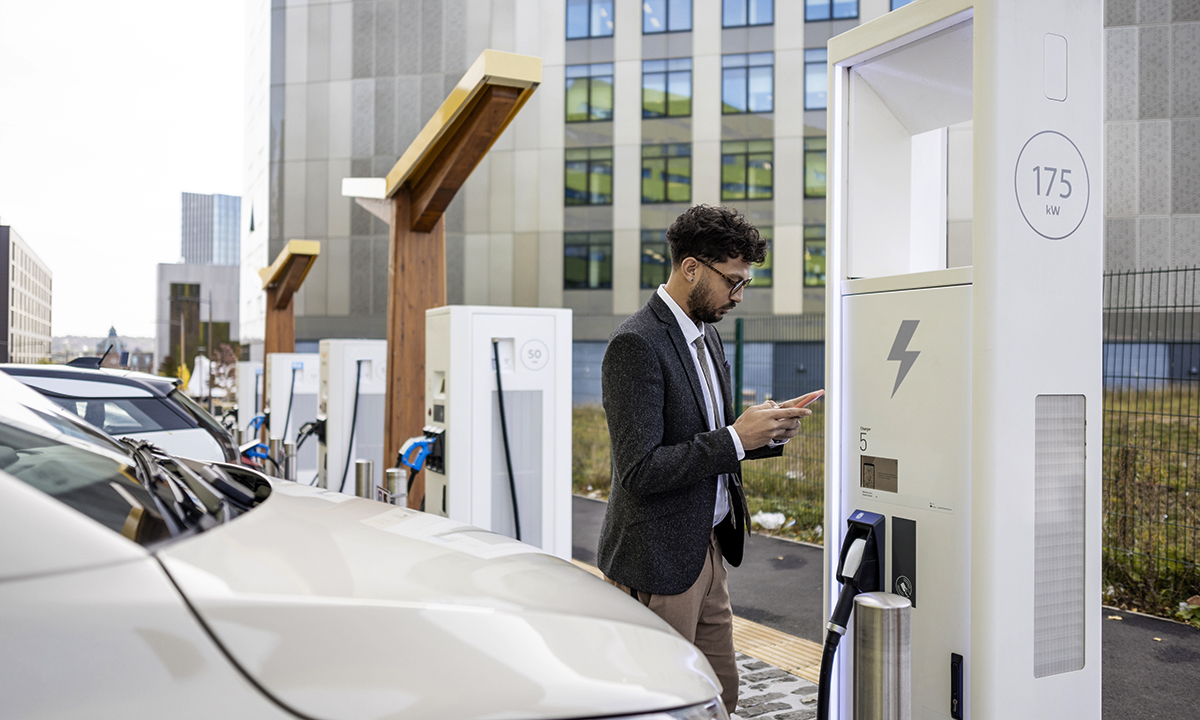
Electric vehicles play a central role in achieving net zero emissions, particularly in the transport sector.
Governments worldwide are:
-
Phasing out internal combustion engines
-
Investing in EV charging infrastructure
-
Supporting clean mobility policies
Without widespread EV adoption, reaching net zero targets would be nearly impossible.
The Future of EVs and Climate Action


The future of electric vehicles looks increasingly promising:
-
Cheaper batteries
-
Longer driving range
-
Faster charging
-
Cleaner supply chains
Combined with renewable energy and smart urban planning, EVs can help reshape transportation into a low-carbon system.
Conclusion


So, are electric vehicles really better for the climate?
The answer is yes—clearly and increasingly so.
While EVs are not completely emission-free, their total climate impact is far lower than that of gasoline vehicles, and it continues to improve as electricity grids become cleaner. Electric vehicles are not a silver bullet, but they are one of the most effective tools available to reduce emissions from transportation.
In the fight against climate change, switching to electric mobility is not just a trend—it is a necessity.

Pingback: Renewable Energy Explained: Solar Wind and the Future of Clean Power - Nxtainews