Introduction: Why Education Can No Longer Stay the Same
The world is changing faster than at any other point in human history.Future of Education are Artificial intelligence, automation, climate change, globalization, and digital transformation are reshaping how we live, work, and interact. Yet, many education systems still operate on models designed for the industrial age.
The future of education in a rapidly changing world is no longer about memorizing facts or preparing for a single career path. Instead, it is about cultivating adaptability, creativity, critical thinking, and lifelong learning. Education must evolve from a rigid system into a dynamic, human-centered process that empowers learners to thrive amid uncertainty.
This transformation is not optional. It is essential for economic resilience, social cohesion, and global well-being.
Understanding the Forces Reshaping Education
To understand the future of education, we must first examine the forces driving change.
Technological Acceleration
Technology is advancing faster than education systems can traditionally adapt. Artificial intelligence, virtual reality, and digital platforms are redefining access to knowledge. Information is no longer scarce—it is abundant. The challenge now is helping learners navigate, evaluate, and apply information wisely.
The Changing Nature of Work
Many of today’s jobs will disappear, while entirely new roles will emerge. The idea of training for one profession for life is becoming obsolete. Education must prepare people for multiple careers and continuous reskilling.
You May Also Read : How Can We Reimagine Our Future?
Global Challenges
Climate change, pandemics, and social inequality require collective problem-solving. Education must equip learners with global awareness, ethical reasoning, and collaboration skills to address complex, interconnected challenges.
From Memorization to Meaningful Learning
Traditional education has focused heavily on memorization, standardized testing, and compliance. While foundational knowledge remains important, it is no longer sufficient.
Skills That Matter in the Future
The future of education emphasizes skills that machines cannot easily replace, including:
-
Critical thinking and problem-solving
-
Creativity and innovation
-
Emotional intelligence and empathy
-
Communication and collaboration
-
Ethical reasoning and civic responsibility
Education systems must prioritize understanding over rote learning and curiosity over conformity.
Personalized and Learner-Centered Education
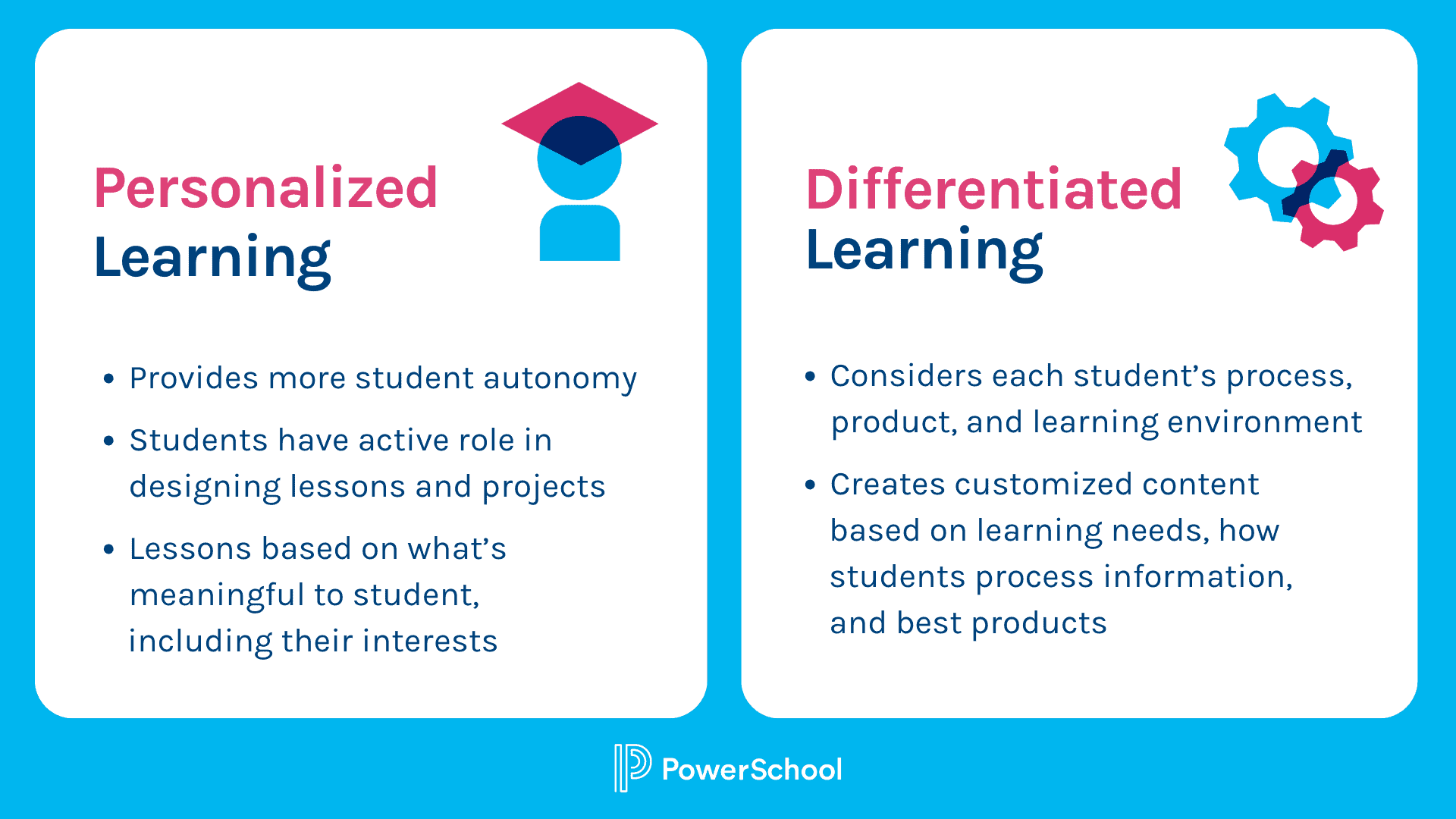

One of the most important shifts in the future of education is personalization.
Moving Beyond One-Size-Fits-All
Every learner is different, yet traditional systems often treat students the same. Technology now enables adaptive learning platforms that adjust content to individual needs, learning styles, and pace.
Personalized education:
-
Encourages intrinsic motivation
-
Reduces learning gaps
-
Supports diverse talents and abilities
Teachers as Facilitators, Not Just Instructors
In a learner-centered model, teachers become mentors and guides. Their role shifts from delivering information to fostering critical thinking, curiosity, and confidence.
The Role of Artificial Intelligence in Education
Artificial intelligence will play a major role in shaping future learning environments.
AI as an Educational Assistant
AI can:
-
Provide instant feedback
-
Identify learning gaps
-
Support personalized learning paths
-
Automate administrative tasks
This allows educators to focus more on human interaction and less on repetitive work.
Ethical Considerations in AI-Powered Learning
While AI offers powerful benefits, it also raises ethical concerns. Data privacy, algorithmic bias, and equitable access must be addressed to ensure technology serves learners rather than controlling them.
A human-centered approach to AI in education is essential.
Lifelong Learning as the New Normal
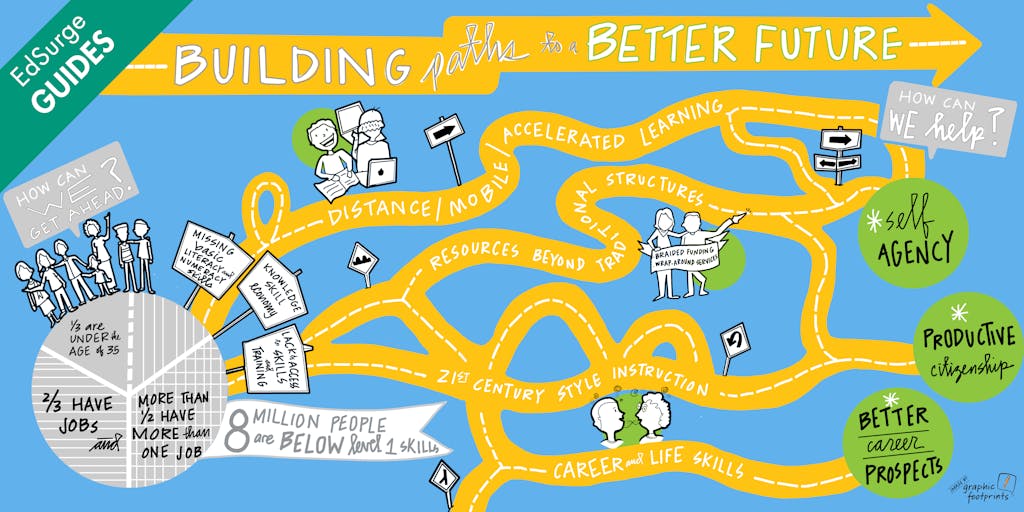
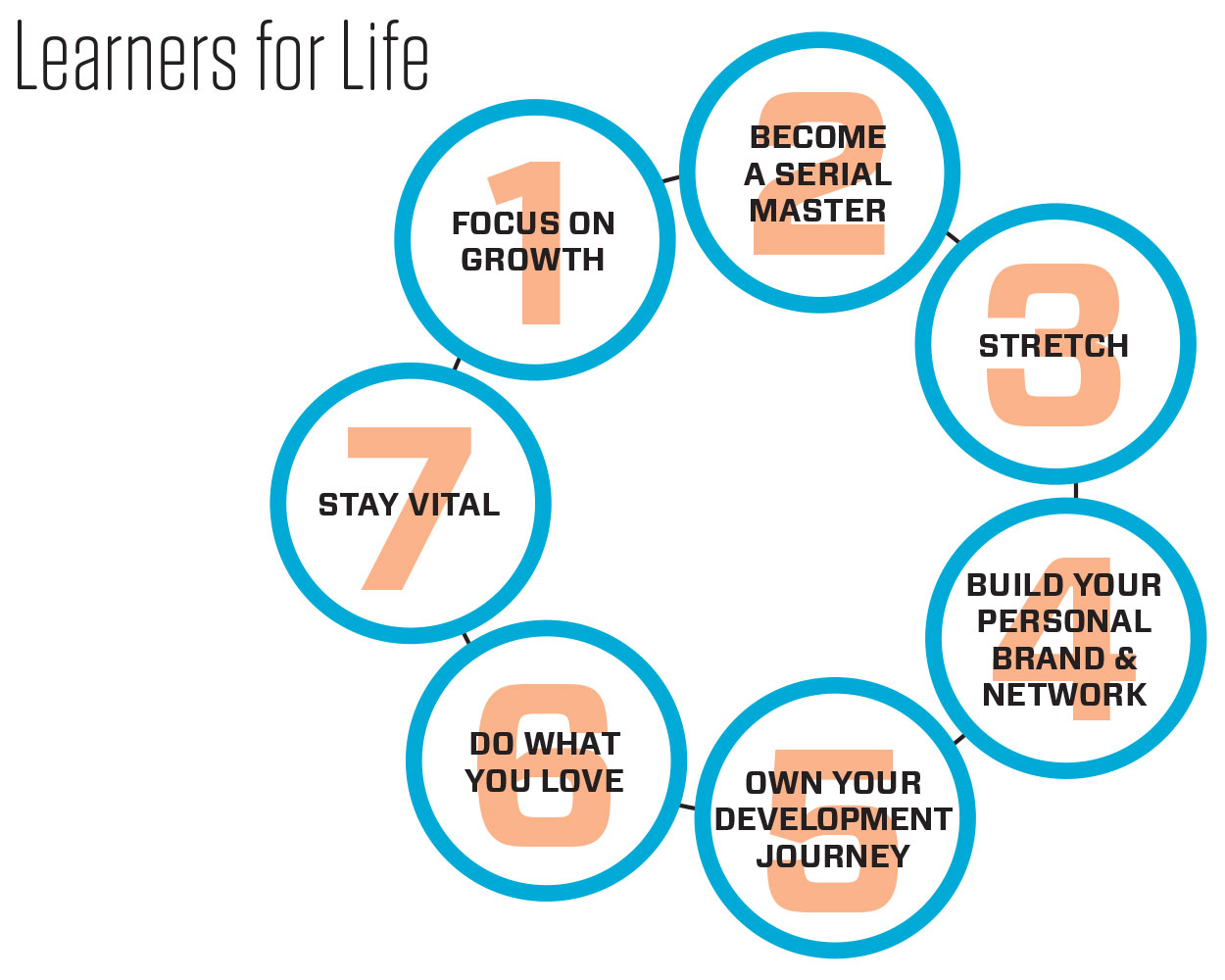
In a rapidly changing world, education can no longer be confined to childhood or early adulthood.
Learning Across the Entire Lifespan
The future of education embraces lifelong learning, where individuals continuously acquire new skills and knowledge throughout their lives. This includes:
-
Online courses
-
Micro-credentials
-
Professional reskilling programs
-
Informal and self-directed learning
Redefining Credentials and Success
Degrees will remain valuable, but they will be complemented by flexible credentials that reflect real-world skills and competencies. Learning becomes a continuous journey rather than a fixed destination.
Education and Global Equity
The future of education must address inequality, not reinforce it.
Expanding Access Through Technology
Digital platforms have the potential to democratize education by reaching underserved communities. However, unequal access to devices and connectivity remains a major challenge.
True progress requires:
-
Affordable digital infrastructure
-
Inclusive learning design
-
Culturally relevant education
Education as a Tool for Global Well-Being
Education is one of the most powerful drivers of social mobility, health outcomes, and civic engagement. A future-focused education system prioritizes human dignity and opportunity for all.
Reimagining Schools and Learning Spaces
The physical and virtual spaces where learning occurs are also evolving.
Flexible Learning Environments
Future schools may look very different from traditional classrooms. Learning spaces are becoming:
-
More collaborative
-
Project-based
-
Blended (online and offline)
Education is no longer limited to a single room or schedule.
Learning Beyond Institutions
Communities, workplaces, and digital networks are becoming important learning ecosystems. Education extends into real-world experiences, mentorship, and interdisciplinary projects.
Preparing Learners for Uncertainty
Perhaps the most important role of future education is preparing learners to navigate uncertainty.
Teaching How to Learn
In a world where information constantly changes, knowing how to learn is more valuable than knowing what to learn. Meta-learning skills—reflection, adaptability, and curiosity—become central.
Resilience and Well-Being
Mental health and emotional resilience must be integrated into education. A future-ready system supports not only intellectual growth but also psychological well-being.
The Role of Policy and Leadership in Education’s Future
Systemic change requires visionary leadership and thoughtful policy.
Aligning Education with Future Needs
Governments, institutions, and educators must collaborate to align curricula with societal and technological shifts while preserving ethical and human values.
Investing in Teachers
Teachers are the backbone of any education system. The future of education depends on empowering educators with training, support, and professional autonomy.
Here Is More Suggested Links For You
UNESCO – Education & the Future
Conclusion: Education as the Foundation of the Future
The future of education in a rapidly changing world is not about replacing teachers with machines or abandoning tradition entirely. It is about evolving thoughtfully—blending technology with humanity, innovation with ethics, and flexibility with purpose.
Education shapes how societies think, solve problems, and imagine possibilities. By reimagining education as a lifelong, inclusive, and human-centered process, we lay the foundation for a future where individuals and communities can adapt, thrive, and contribute meaningfully.
The future will be shaped by what we choose to teach—and how we choose to learn—today.


Pingback: Why Building Trust and AI Literacy Is Essential for Digital Safety - Nxtainews