A Human-Centered Vision for a Thriving World

Introduction: Why the Future Needs Reimagining
Reimagining our future is no longer optional—it is essential. As climate change, technological disruption, and social inequality reshape the world, humanity must rethink how we live, work, and grow together.The future has always been a subject of fascination. From ancient myths to modern science fiction, humanity has consistently tried to imagine what lies ahead. Yet today, imagining the future feels different.
We are standing at a crossroads defined by climate change, rapid technological advancement, social inequality, political uncertainty, and shifting cultural values.
For decades, the future was framed as a linear extension of progress—more growth, more speed, more consumption. That narrative is now breaking down. Environmental limits are being reached, mental health challenges are rising, and technological power is outpacing ethical frameworks. Simply continuing on the same path is no longer an option.
Reimagining our future is not about predicting what will happen. It is about actively shaping what should happen. It requires us to question long-held assumptions, redesign systems that no longer serve us, and imagine possibilities rooted in human dignity, ecological balance, and collective well-being.
This article explores how we can reimagine our future across technology, society, the economy, education, and our relationship with the planet—while placing people, purpose, and sustainability at the center.
Understanding What “Reimagining the Future” Truly Means
Reimagining the future does not mean abandoning reality. It means expanding it.
Most current systems—economic, political, educational—were designed for a different era. Industrial-age solutions are struggling to address digital-age challenges. Reimagining is the process of asking deeper questions:
-
What kind of world do we want to live in?
-
Who benefits from our systems, and who is left behind?
-
What values should guide innovation and progress?
Instead of assuming the future is something that “happens to us,” reimagining recognizes the future as something we co-create through everyday decisions, policies, technologies, and cultural narratives.
Technology as a Tool, Not a Master

Technology is one of the most powerful forces shaping the future. Artificial intelligence, biotechnology, automation, and digital networks are transforming how we work, communicate, and make decisions. But technology itself is neutral—it reflects the intentions of those who design and deploy it.
From Efficiency to Meaning
Much technological progress has focused on speed and efficiency. While valuable, this focus often overlooks human experience. Reimagining the future means designing technology that:
-
Enhances human creativity rather than replacing it
-
Supports mental health instead of exhausting attention
-
Strengthens communities rather than isolating individuals
Human-centered technology asks not only “Can we build this?” but “Should we?” and “Who does it serve?”
Read More : Best API Security Tools for 2026 (Comprehensive Guide)
Ethical Innovation
As AI systems influence hiring, healthcare, education, and governance, ethics can no longer be an afterthought. A reimagined future includes transparent algorithms, accountable decision-making, and inclusive design processes that reflect diverse voices.
Reimagining Work and the Economy
For many people, the future of work feels uncertain. Automation threatens traditional jobs, while gig economies blur the lines between freedom and precarity. Reimagining the future of work means redefining the purpose of the economy itself.
Beyond Productivity as Identity
Modern societies often equate self-worth with productivity. This mindset leads to burnout, anxiety, and a loss of meaning. A reimagined future recognizes that:
-
Humans are more than workers
-
Rest, creativity, and care are essential forms of value
-
Time is a resource, not just money
New Economic Models
Alternative economic approaches are gaining attention:
-
Circular economies that eliminate waste
-
Regenerative economies that restore ecosystems
-
Well-being economies that measure success beyond GDP
These models prioritize long-term resilience over short-term profit, aligning economic activity with human and planetary health.
Education for an Uncertain Tomorrow
Education is one of the most powerful levers for shaping the future. Yet many education systems still emphasize memorization over adaptability.
For More Try Google Search
Learning How to Learn
In a rapidly changing world, the most valuable skills are not static knowledge but:
-
Critical thinking
-
Emotional intelligence
-
Creativity
-
Lifelong learning
Reimagining education means shifting from standardized systems to personalized, curiosity-driven learning environments.
Education as Empowerment
A future-focused education system prepares people not just for jobs, but for citizenship, empathy, and problem-solving. It teaches learners how to navigate complexity, collaborate across differences, and imagine alternatives to the status quo.
Reimagining Our Relationship with Nature
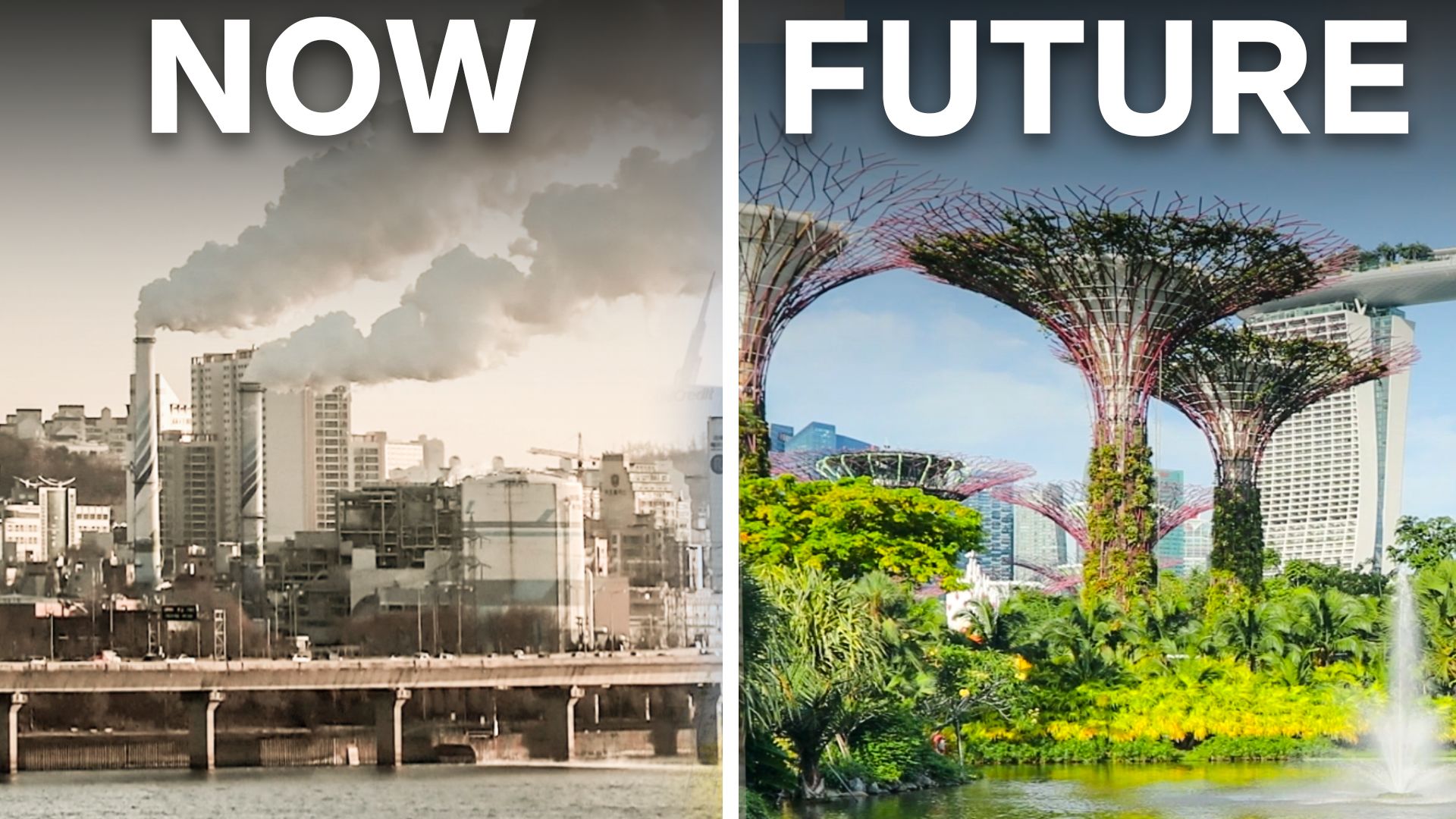
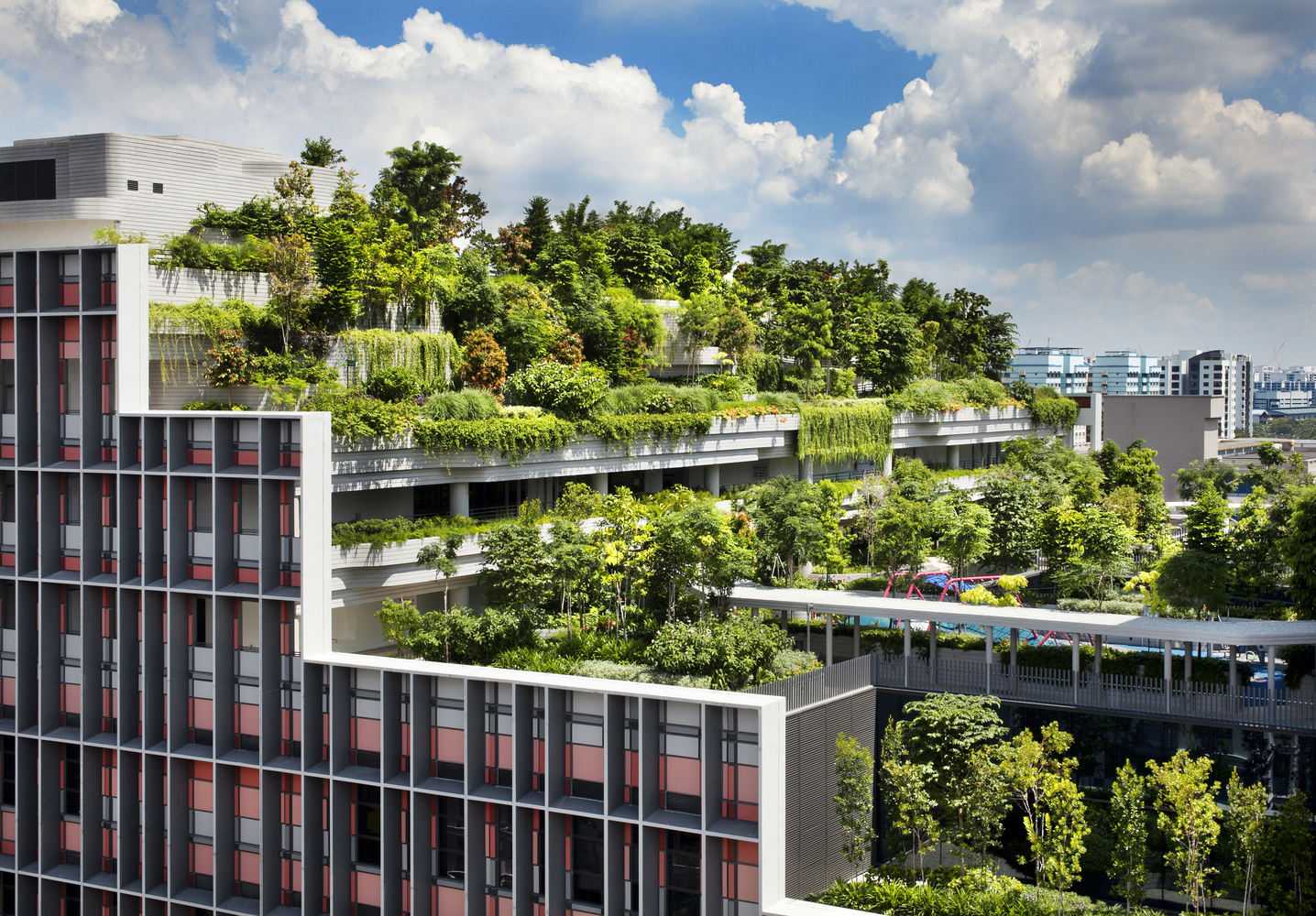

Perhaps the most urgent aspect of reimagining our future is redefining our relationship with the natural world.
From Domination to Partnership
For centuries, nature has been treated as a resource to extract rather than a system to respect. This mindset has driven environmental degradation and climate instability.
A reimagined future sees humans as part of nature, not separate from it. This perspective leads to:
-
Regenerative agriculture
-
Nature-positive cities
-
Renewable energy systems designed with ecosystems in mind
Designing for Regeneration
Sustainability aims to reduce harm. Regeneration goes further—it aims to restore and heal. Future systems can actively improve soil health, biodiversity, and climate resilience while supporting human livelihoods.
Social Systems and Collective Well-Being
Reimagining the future is not just a technological or environmental challenge—it is a social one.
Redefining Progress
True progress cannot be measured only by economic growth. It must include:
-
Mental and physical health
-
Social trust and cohesion
-
Access to opportunity
-
Cultural expression and identity
A future centered on well-being recognizes that inequality and exclusion weaken societies as a whole.
Inclusive Futures
Who gets to imagine the future matters. Historically, future visions have been shaped by a narrow segment of society. Reimagining requires amplifying voices that have been marginalized—youth, Indigenous communities, and those most affected by systemic change.
The Power of Imagination and Storytelling
Stories shape reality. The futures we believe in influence the choices we make today.
Dystopian narratives dominate popular culture, often portraying the future as something to fear. While caution is important, hope is equally powerful. Positive, realistic visions of the future inspire action and innovation.
Reimagining the future means telling new stories—stories where humanity adapts, collaborates, and thrives within planetary boundaries.
Personal Responsibility in Shaping the Future
While global systems matter, the future is also shaped at the personal level.
Every decision—how we consume, how we vote, how we treat others—reinforces a particular vision of tomorrow. Reimagining the future begins with asking:
-
What values guide my choices?
-
What future does my lifestyle support?
-
How can I contribute, even in small ways?
The future is not built overnight. It emerges through accumulated actions over time.
Conclusion: Choosing the Future We Want
Reimagining our future is both a challenge and an opportunity. It asks us to move beyond fear, beyond outdated assumptions, and beyond narrow definitions of success.
The future does not belong solely to technology, governments, or corporations. It belongs to everyone willing to imagine differently and act responsibly. By aligning innovation with ethics, progress with purpose, and growth with regeneration, we can create a future that is not only advanced—but humane.
The most important question is not what will the future be?
It is what future are we choosing to build—today?


Pingback: The Future of Education in a Rapidly Changing World - Nxtainews