Interstellar objects are among the rarest discoveries in astronomy. They travel across the galaxy, untouched for billions of years, carrying frozen chemical secrets from alien star systems. In July 2025, the world witnessed one of these cosmic travelers: Interstellar Comet 3I/ATLAS.
This article explores everything known so far — its discovery, origin, trajectory, unusual behavior, scientific importance, and why astronomers believe 3I/ATLAS may be the most revealing interstellar visitor yet.
⭐ 1. What Exactly Is Interstellar Comet 3I/ATLAS?
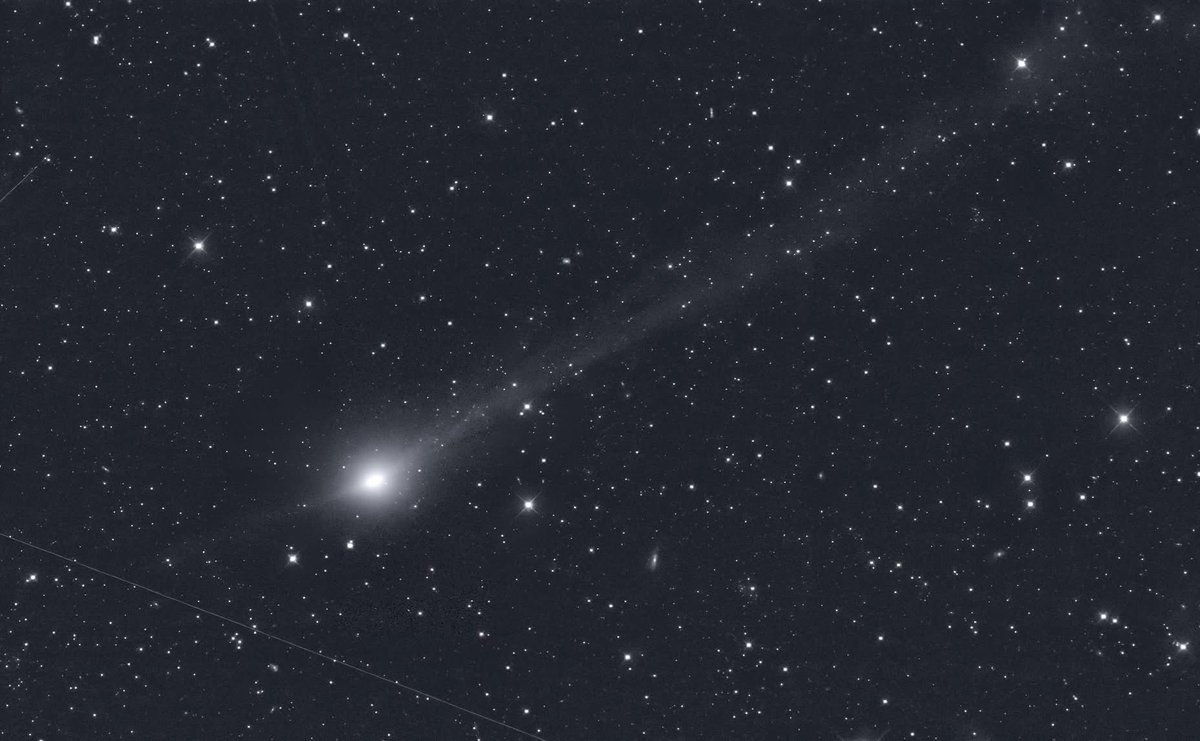


3I/ATLAS is the third confirmed interstellar object ever detected, following:
-
ʻOumuamua (2017)
-
2I/Borisov (2019)
The name breaks down as:
-
3I → the third interstellar visitor
-
ATLAS → discovered by the ATLAS sky survey in Chile
-
Comet → because it displays gas, dust, and brightening behavior like a traditional comet
What makes it interstellar is its hyperbolic orbit — a trajectory that proves it came from outside the solar system and will leave it permanently.
⭐ 2. Discovery of 3I/ATLAS
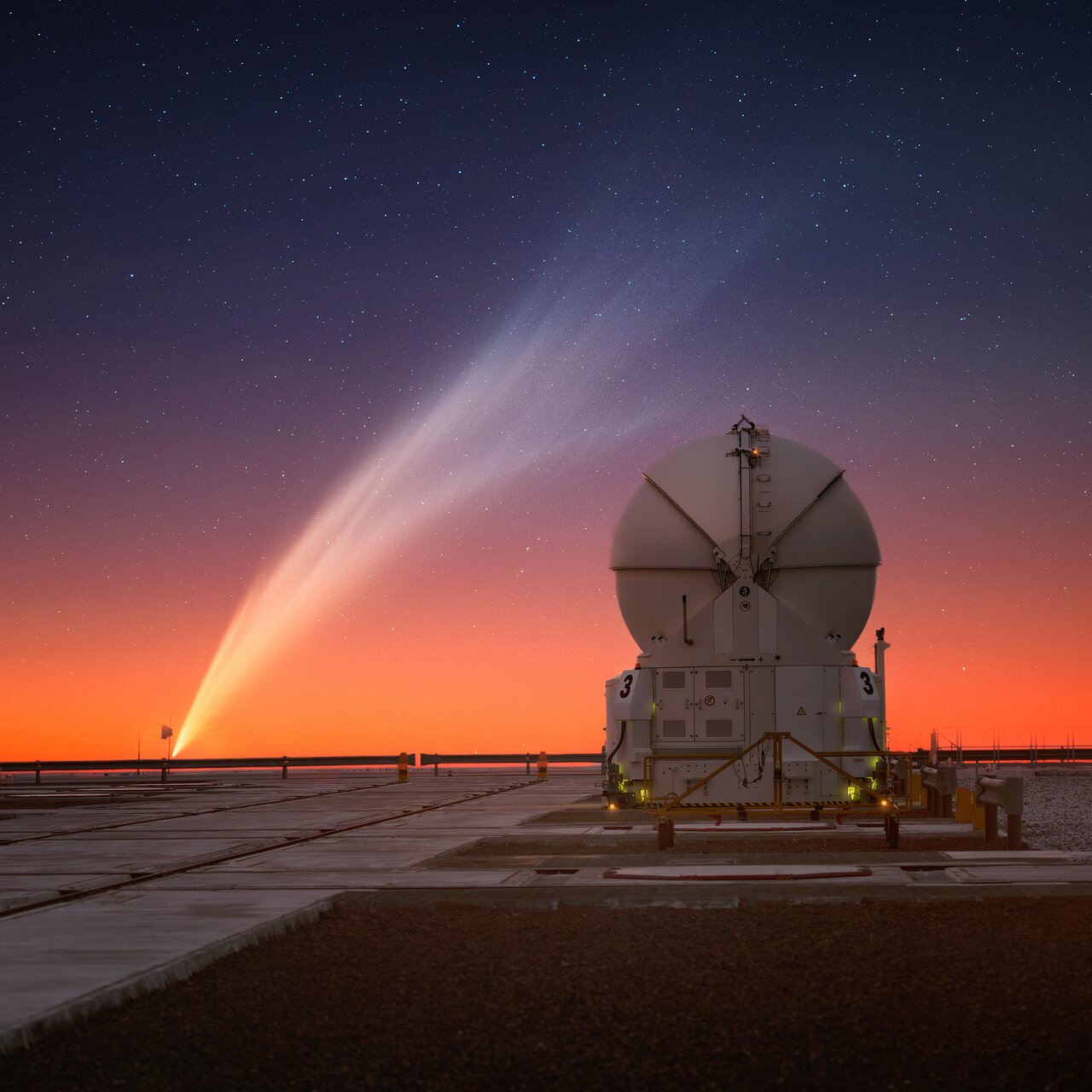
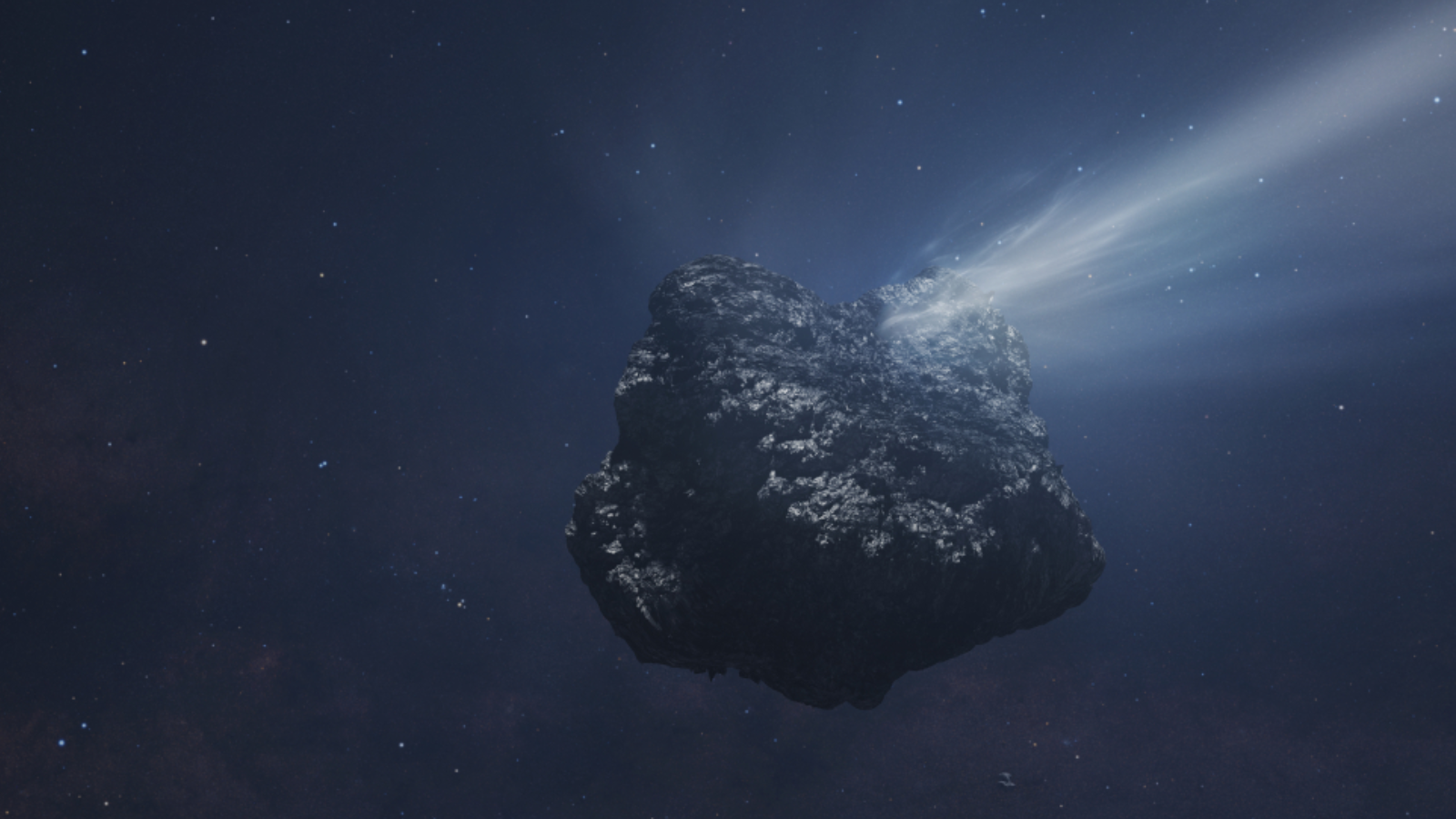

The comet was officially discovered on July 1, 2025, by the Asteroid Terrestrial-impact Last Alert System (ATLAS).
Interestingly, astronomers later found pre-discovery images going back to June 14, meaning the comet had been approaching unnoticed for weeks.
ATLAS detected the object because of:
-
Its rapid brightening
-
Its unusual trajectory
-
Its unexpected speed
Once orbital data was plotted, astronomers immediately recognized its interstellar origin.
You May Also Read Google AI Data Deletion: How to Take Back Control of Your Online Privacy (2026 Expert Guide)
⭐ 3. Why Interstellar Comets Are So Important


Interstellar comets are time capsules from distant star systems. They help scientists study:
✔ How other solar systems form
✔ What elements exist beyond our Sun
✔ Whether our planetary system is unique
✔ How icy bodies evolve in different cosmic environments
Unlike local comets, which have orbited the Sun many times, interstellar comets carry pristine, untouched material from other star nurseries.
3I/ATLAS gives astronomers a rare opportunity to compare alien chemistry to our own.
⭐ 4. The Orbit and Path of 3I/ATLAS

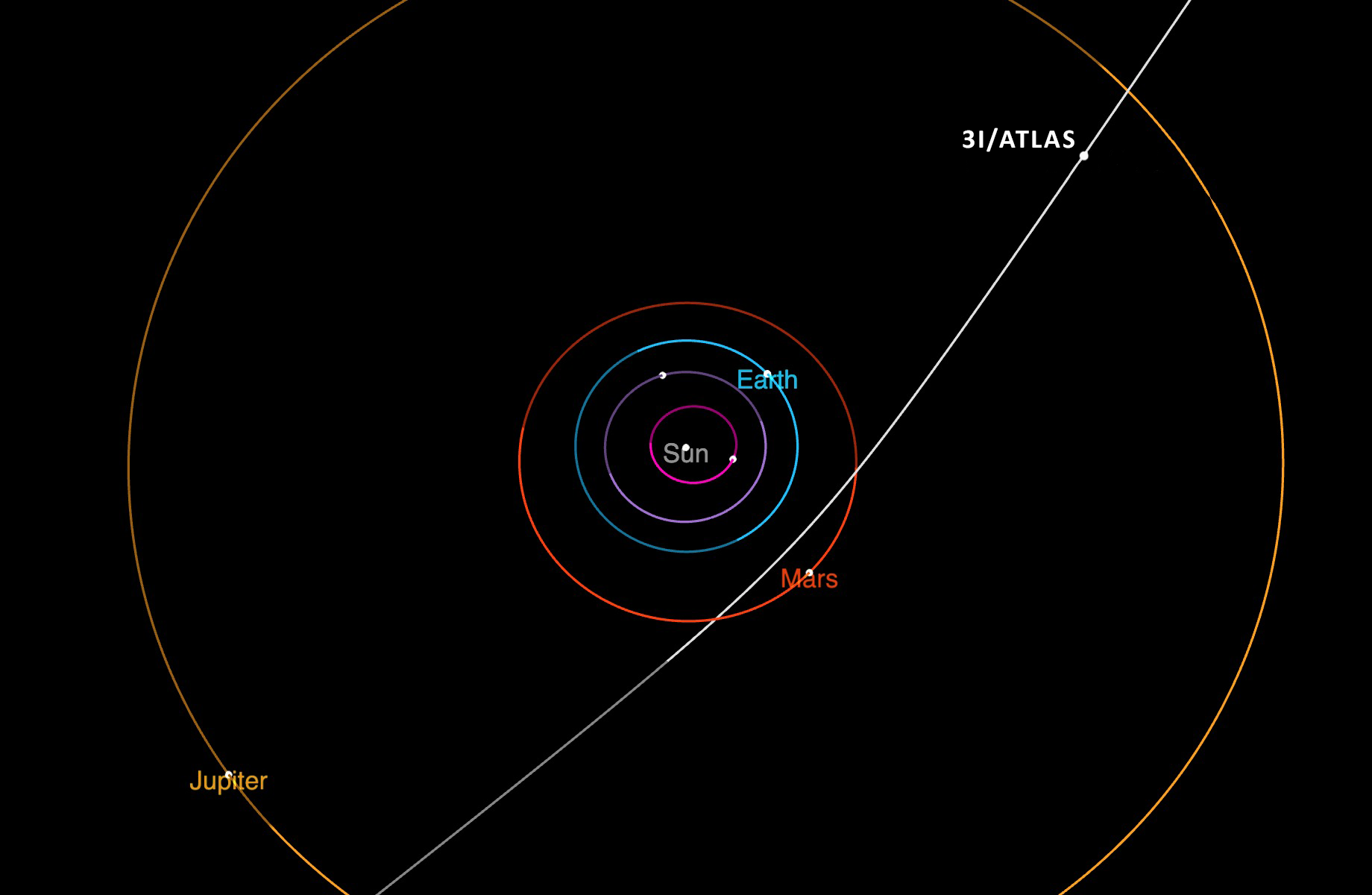
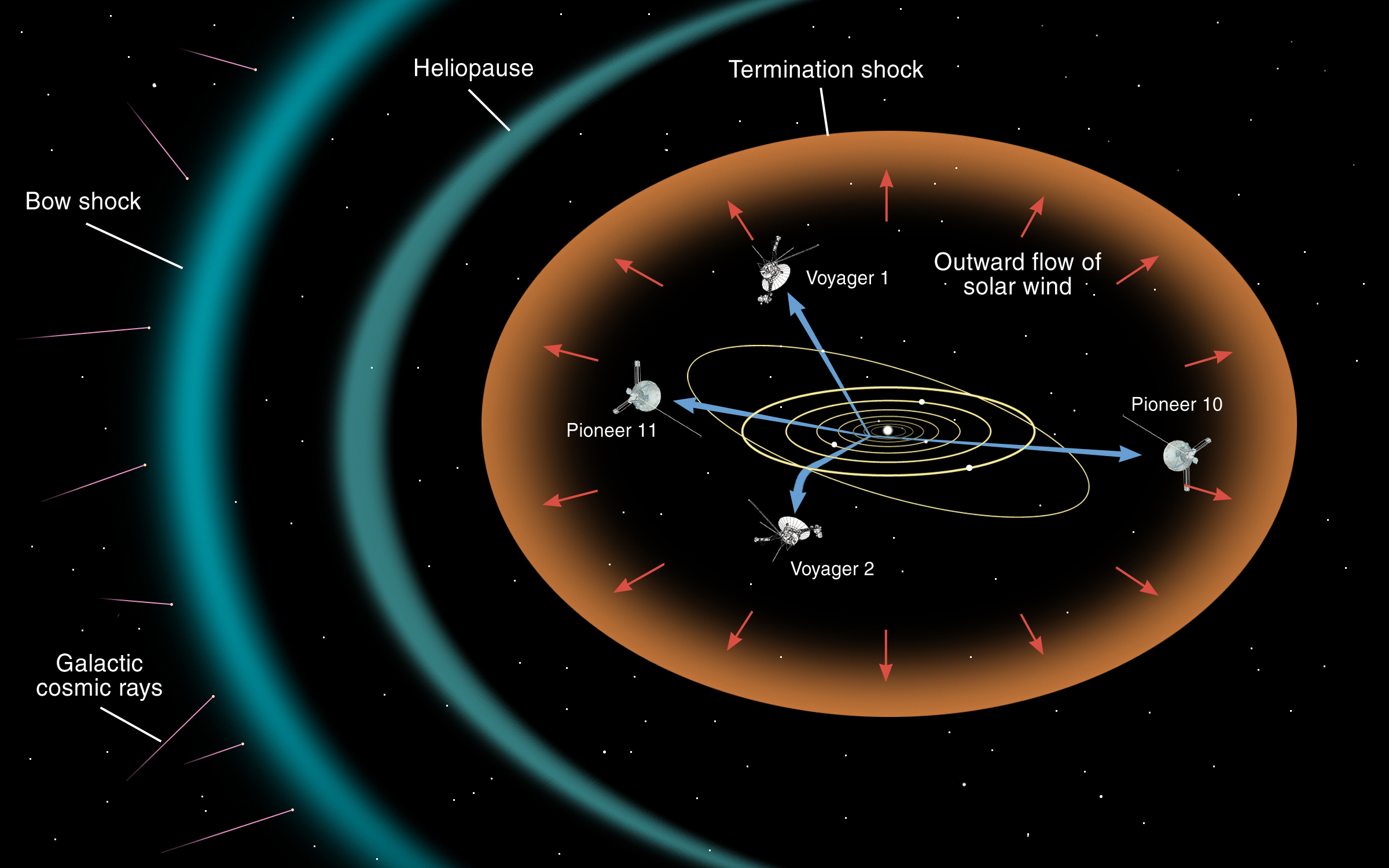
3I/ATLAS moves on a trajectory that:
-
Entered the solar system from deep space
-
Swung inside Mars’s orbit
-
Is now exiting permanently
Because the comet is not bound by the Sun’s gravity, it will never return again.
Key dates:
-
July 2025 → Discovery
-
October 2025 → Closest approach to the Sun (perihelion)
-
December 2025 → Closest approach to Earth (still very distant)
⭐ 5. What Makes 3I/ATLAS Different From Other Comets?


🔬 1. Unusual Chemical Composition
Early spectroscopy shows:
-
High carbon dioxide levels
-
Lower water ice release than expected
-
Complex organic signatures
-
Metal-rich dust particles
This suggests it formed in a colder and more chemically diverse star system than ours.
🔥 2. Possible “Ice Volcanoes” (Cryovolcanic Jets)
Some images show eruptive jets, leading scientists to believe that:
-
Pressurized gas pockets are bursting
-
The comet’s interior may be unusually active
-
These jets could be shaping the comet’s tail
This behavior is not typical of most known comets.
🌀 3. A Strange Tail Structure
Astronomers noticed:
-
A distorted dust tail
-
A secondary faint tail of unknown origin
-
Possible fragmentation or debris cloud
Some researchers believe the comet may be shedding multiple small pieces as it heats up.
⭐ 6. Where Did 3I/ATLAS Come From?

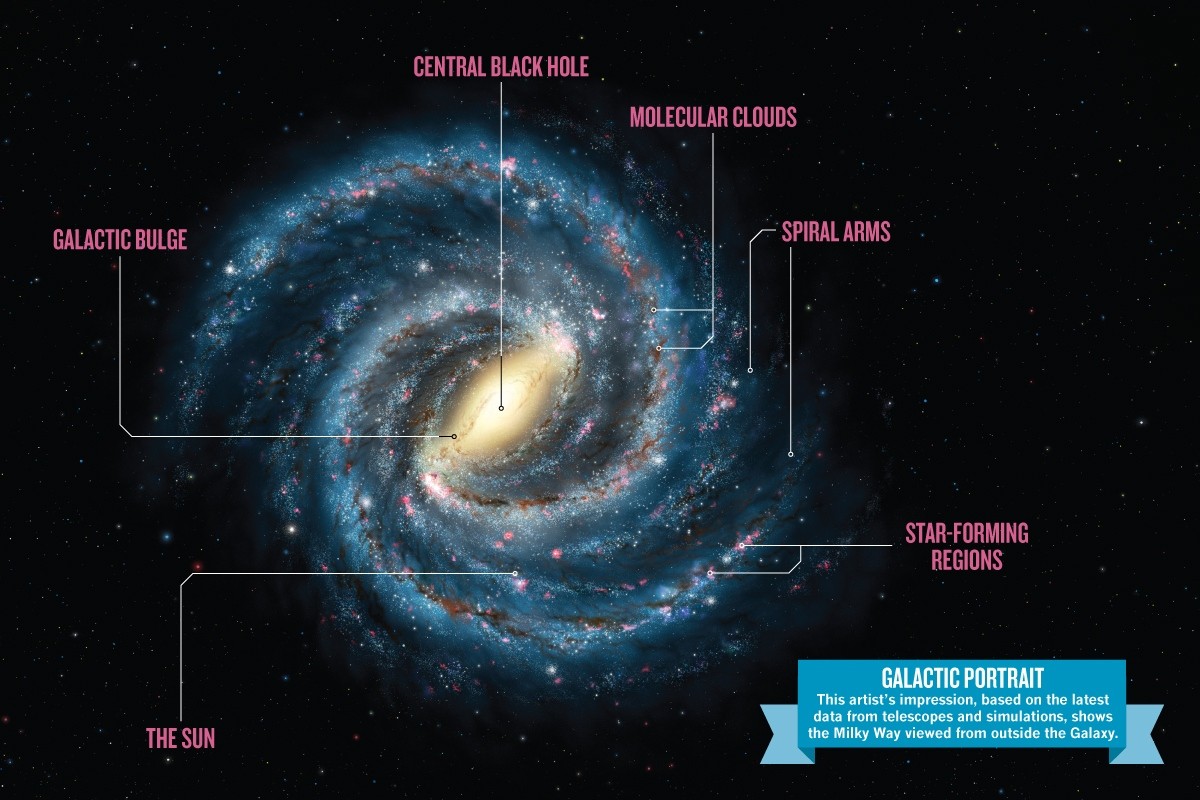

Scientists cannot pinpoint its exact origin, but they believe:
-
It was ejected from a distant star system
-
Possibly during the early formation of planets
-
Likely from a cold, outer region similar to our Oort Cloud
Interstellar objects often get flung into space due to:
-
Gravitational disturbances
-
Collisions
-
Passing stars
-
Formation of giant planets
3I/ATLAS may have traveled millions or billions of years before reaching us.
⭐ 7. How 3I/ATLAS Compares to ʻOumuamua & 2I/Borisov
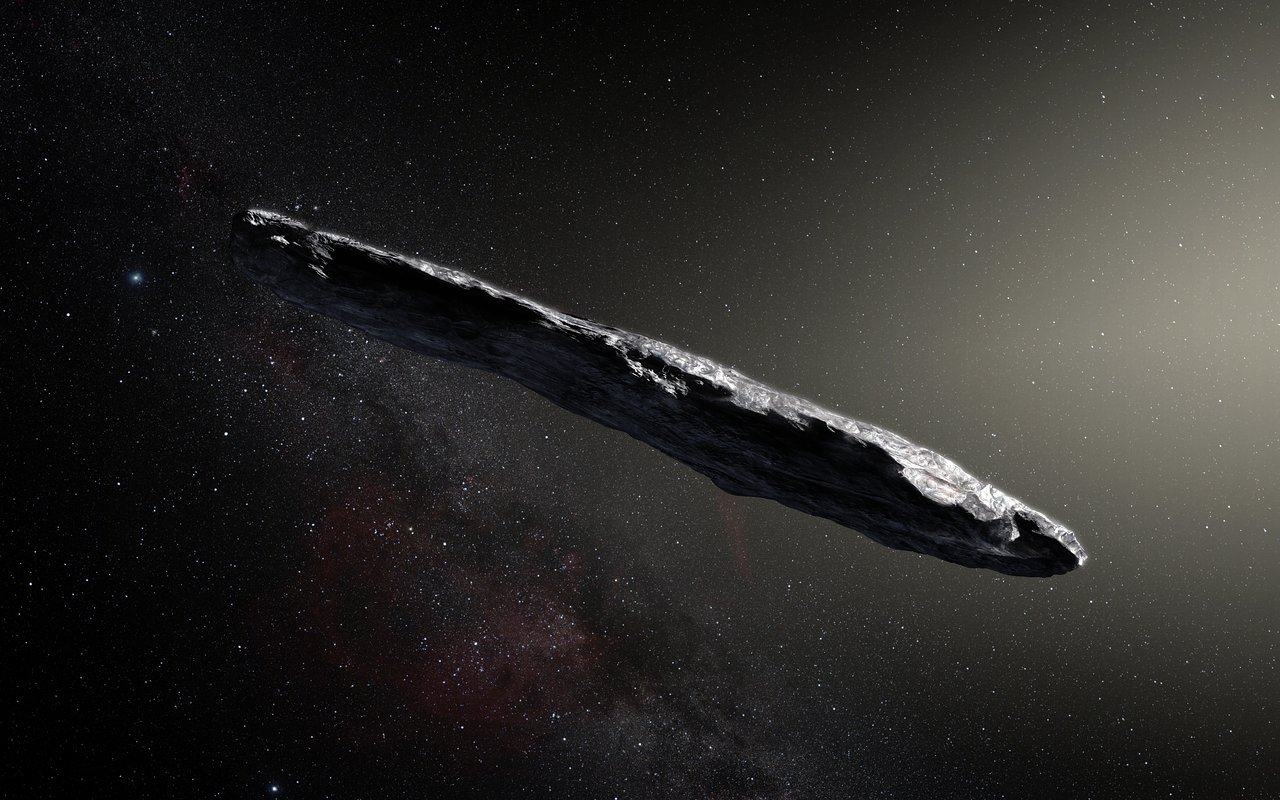


1. ʻOumuamua (2017)
-
Rocky, elongated object
-
No visible coma
-
Highly unusual acceleration
-
The most mysterious interstellar object to date
2. 2I/Borisov (2019)
-
Very comet-like
-
Water and carbon monoxide detected
-
Behavior similar to local comets
3. 3I/ATLAS (2025)
-
Active comet with unusual chemistry
-
Possible cryovolcanism
-
Highly dynamic dust tail
-
Bright, easier to observe
3I/ATLAS sits between ʻOumuamua’s mystery and Borisov’s familiarity.
⭐ 8. How Scientists Are Observing the Comet



Telescopes observing 3I/ATLAS include:
-
Hubble Space Telescope
-
Very Large Telescope (Chile)
-
Pan-STARRS
-
ATLAS survey telescopes
-
Amateur astronomers worldwide
Each delivers different data:
🟦 Hubble → High-resolution coma images
🟥 Ground telescopes → Spectral chemistry
🟩 Wide-field instruments → Tail evolution
The data helps scientists build a detailed profile of its behavior.
⭐ 9. Can 3I/ATLAS Be Seen From Earth?
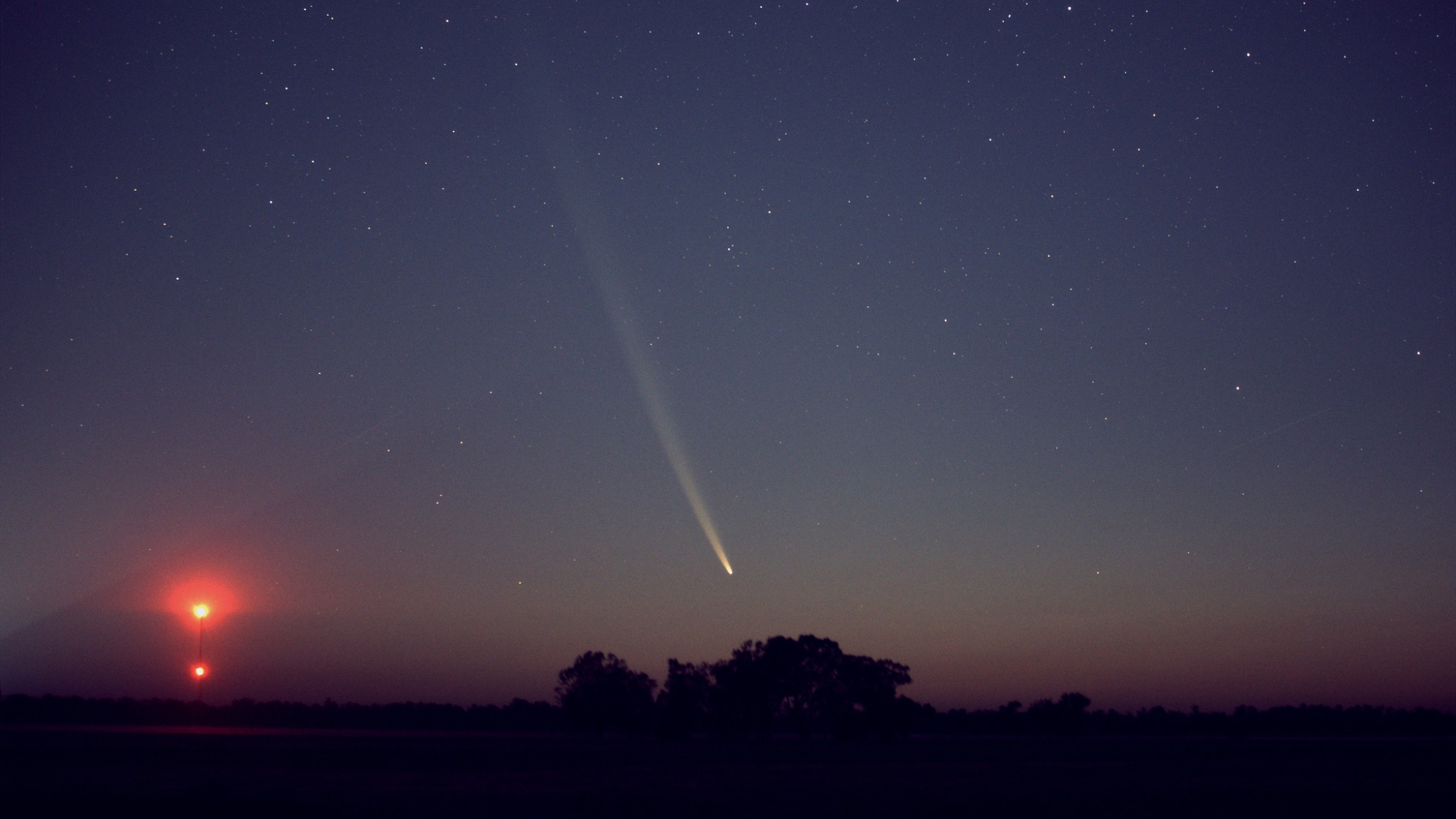

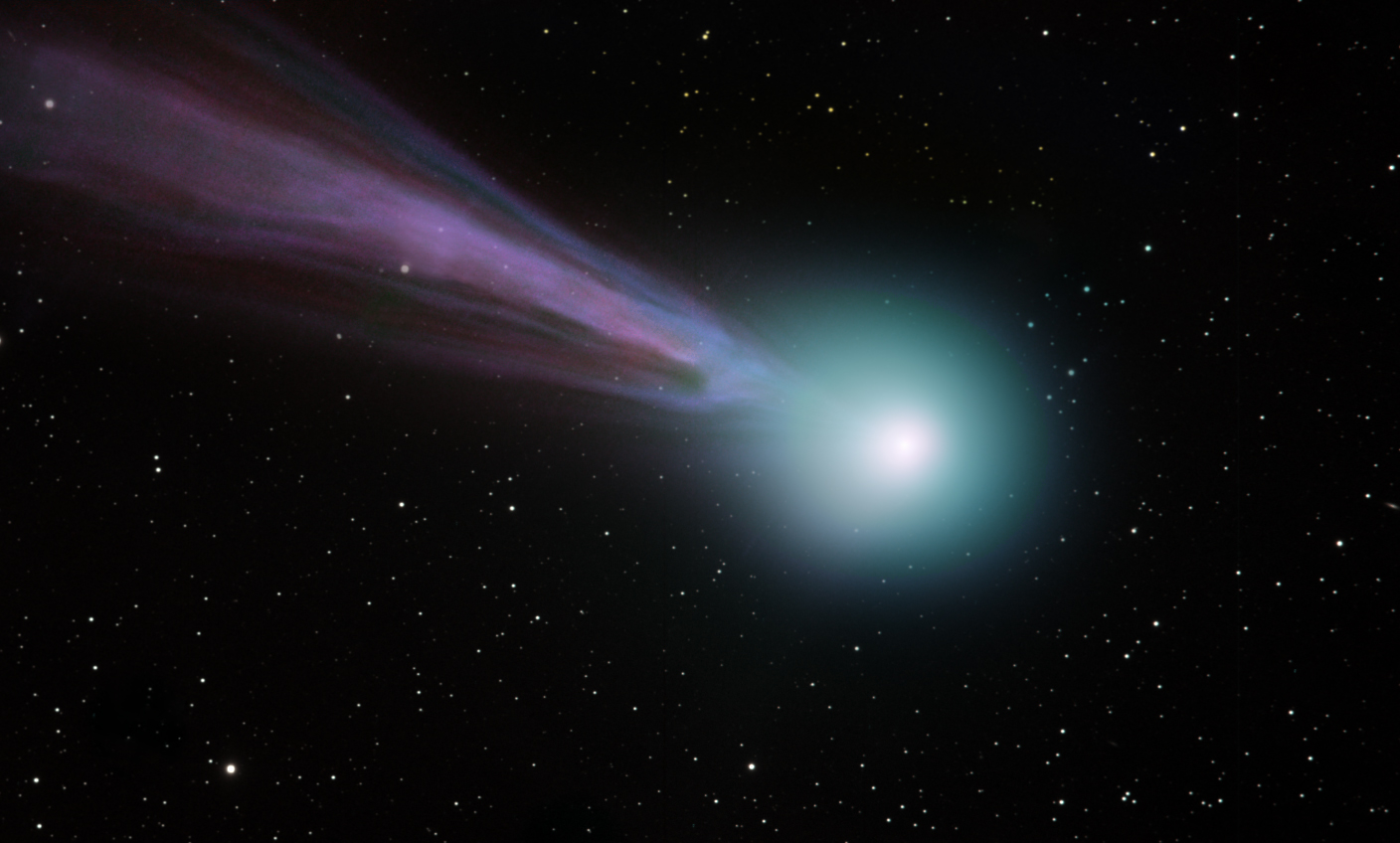
The comet was visible through telescopes in late 2025 and early 2026, but not bright enough for naked-eye viewing.
Best observing tools:
-
Small telescope
-
High-power binoculars
-
Clear dark skies
Its brightness varies depending on outgassing and distance.
⭐ 10. Myths, Rumors, and Scientific Clarifications


Like previous interstellar objects, 3I/ATLAS has sparked curiosity and wild theories.
Common misunderstandings:
❌ It’s NOT dangerous
❌ It’s NOT heading toward Earth
❌ It’s NOT alien technology
❌ It’s NOT a fragmented spacecraft
Scientists emphasize that 3I/ATLAS is a natural cosmic object created by physics and chemistry — nothing more, nothing less.
⭐ 11. Why 3I/ATLAS Could Change Astronomy Forever

3I/ATLAS expands humanity’s understanding of:
✔ Extrasolar chemistry
✔ Comet formation around other stars
✔ The diversity of interstellar objects
✔ Material exchange across the galaxy
Every interstellar visitor teaches us more about the shared building blocks of planetary systems.
This comet is a messenger — carrying frozen memories of a world we will never see.
⭐ Conclusion
Interstellar Comet 3I/ATLAS is one of the most exciting astronomical discoveries in recent years.
Its unusual chemical makeup, dynamic tail, cryovolcanic activity, and alien origin make it a priceless scientific opportunity. While its visit is brief, the data collected during this journey will shape astronomy research for decades.
Humanity may never see another interstellar comet this active and accessible in our lifetime — making 3I/ATLAS a truly historic visitor.



Pingback: Daily walking for weight loss: The Complete 2026 Guide to a Healthier Life - Nxtainews