Introduction: The Birth of No-Human Companies
For decades, automation has slowly replaced predictable human tasks, but the 2030s and 2040s will introduce something far more radical:
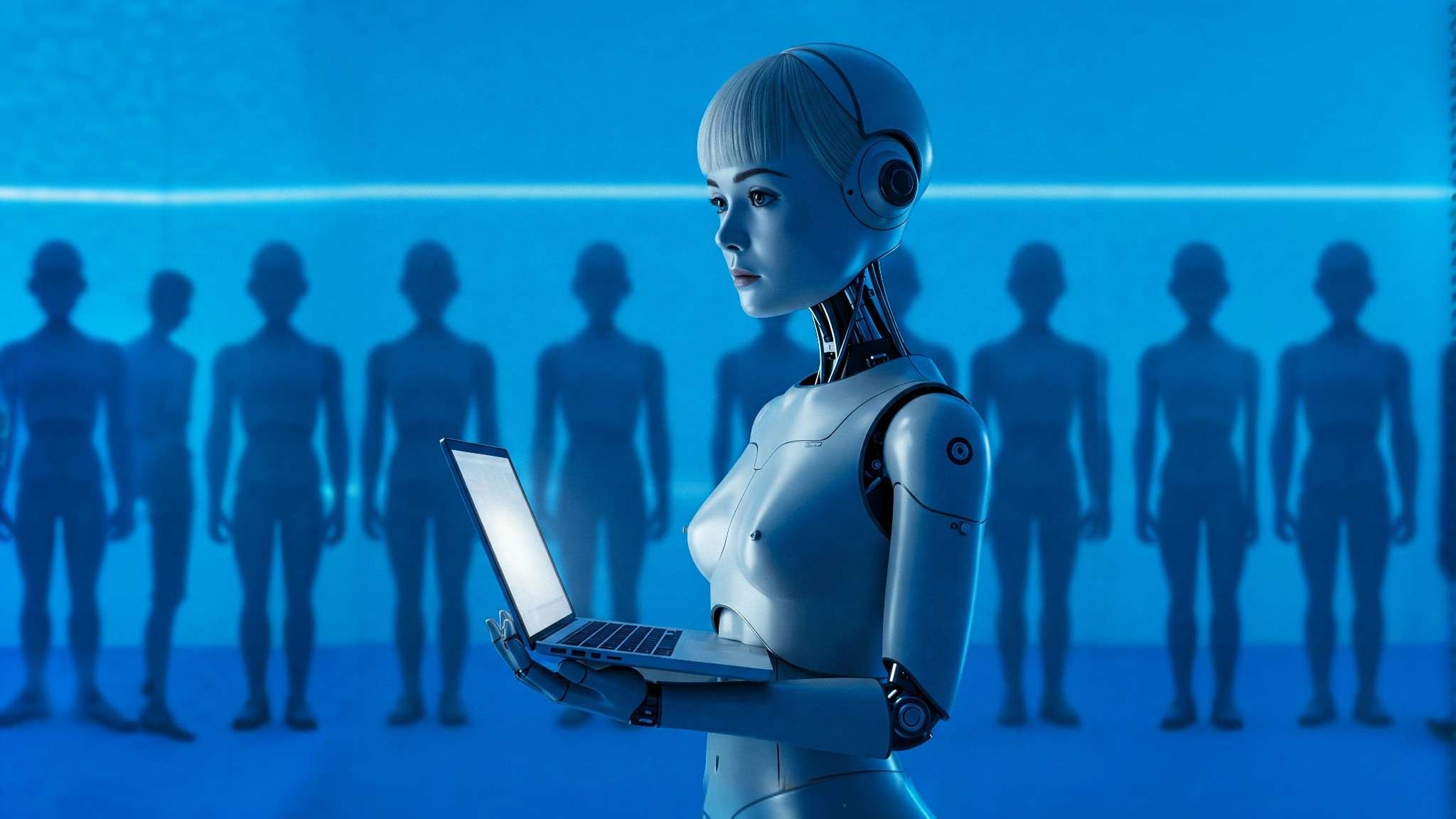
Zero-Labor Companies — businesses with no employees, run entirely by AI systems and robotic automation.
These companies don’t just automate tasks. They automate:
-
Strategy
-
Operations
-
Manufacturing
-
Customer service
-
Marketing
-
Logistics
-
Financial decisions
-
HR (if humans are ever temporarily needed)
This marks the biggest shift in economic history since the Industrial Revolution.
1. What Exactly Is a Zero-Labor Company?
A Zero-Labor Company is a business that:
-
Has no full-time employees,
-
Is powered by AI algorithms,
-
Uses robotic systems to produce, ship, or manage services,
-
Operates 24/7 without breaks,
-
Scales instantly based on demand,
-
Requires no executive team — because AI is the executive team.
Think of it as a self-operating organism, making real-time decisions and running an entire enterprise automatically.
2. Why Zero-Labor Companies Are Inevitable
Several powerful forces are pushing the world toward this model:
🔹 AI becoming autonomous in decision-making
AI no longer just suggests options — it now executes strategies.
🔹 Robots becoming cheaper than workers
Factories and warehouses are already favoring robots for safety, cost, and speed.
🔹 Digital services becoming fully automated
Marketing, design, accounting, customer support — all can be AI-driven.
🔹 24/7 demand economy
Consumers expect instant service at all hours, something AI handles easily.
3. The 4 Types of Zero-Labor Companies
A) AI-Only Digital Companies
These businesses exist purely online with:
-
AI marketing
-
AI product design
-
AI customer service
-
AI finance & payroll
-
AI content creation
Examples:
→ Automated e-commerce stores
→ AI-driven media channels
→ Fully AI-generated SaaS tools
B) Robot-Powered Manufacturing Companies
Factories where:
-
Robots assemble products
-
AI monitors quality
-
Automated carriers move inventory
-
No human steps foot inside
These companies redefine productivity.
C) Autonomous Logistics Companies
Imagine:
-
Driverless delivery vans
-
Fully automated warehouses
-
Drone delivery operations
-
AI route optimization
Amazon is already heading toward this future.
D) AI-Operated Real-World Services
Restaurants, stores, or banks run by:
-
Robot chefs
-
AI cashiers
-
Automated cleaning systems
-
AI scheduling + customer experience
Human-free service centers will be common by 2035.
4. How a Zero-Labor Company Actually Works
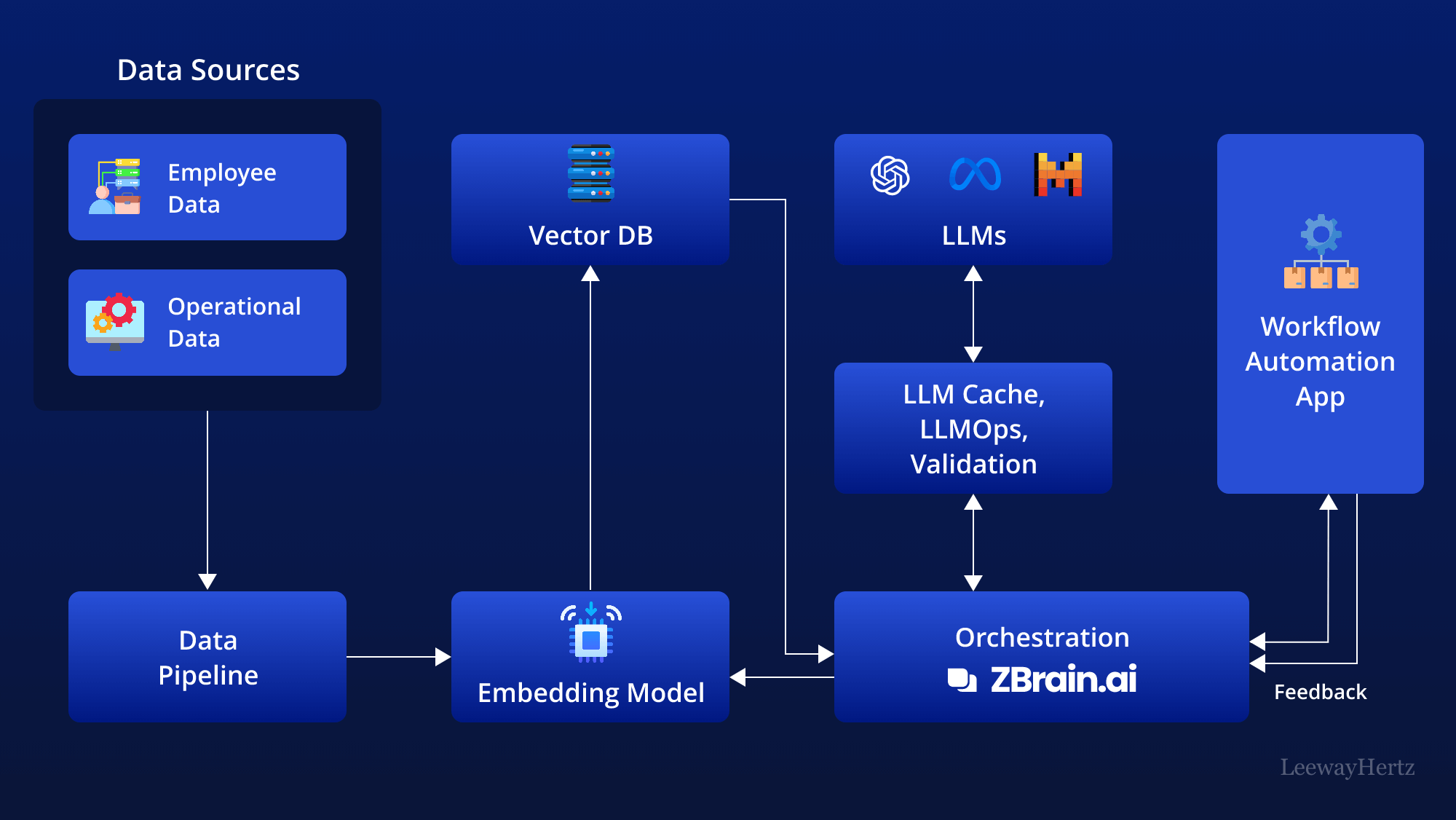
AI handles everything:
1. AI CEO — strategic decisions
Predictive algorithms read market trends and adjust pricing, production, or marketing instantly.
2. AI Workforce — robots & digital agents
Robots do the physical work.
AI agents handle digital operations.
3. AI Finance — automatic money management
AI tracks revenue, expenses, supply chains, and investment opportunities.
4. AI HR — if temporary humans are needed
Autonomous hiring, training, evaluation, and payment of freelance workers.
5. AI Customer Ecosystem
Chatbots, voice assistants, and digital concierges handle all communication.
Essentially, a company becomes software.
5. Hyper-Productivity: 24/7 by Design
Zero-labor companies offer unmatched advantages:
✔ No salaries
✔ No employee burnout
✔ No human errors
✔ No time off
✔ 24/7 global operation
✔ Scaling without hiring
This allows small founders to run billion-dollar businesses with almost no overhead.
6. The Fall of Traditional Corporate Structures
Zero-labor companies eliminate the biggest cost of a business: human labor.
This disrupts:
-
HR departments
-
Managerial layers
-
Office leases
-
Healthcare plans
-
Training teams
Organizations become flat and instantly scalable, managed by AI instead of people.
7. New Role of Humans: Supervisors, Not Workers
Humans won’t disappear — they will shift into oversight roles.
Human roles in this future:
-
AI ethics supervisors
-
Robotics technicians
-
System auditors
-
AI quality verifiers
-
Hybrid AI strategists
Humans will ensure AI does not go off-track but will no longer be the main labor force.
8. The Economic Impact: Productivity Explodes
Zero-labor companies will:
-
Lower production costs globally
-
Increase availability of goods
-
Make digital services nearly free
-
Accelerate innovation cycles
-
Create trillion-dollar industries
The global economy becomes faster, cheaper, smarter, but also more competitive.
9. Risks & Challenges
While promising, Zero-Labor Companies bring risks:
⚠ Massive job displacement
Millions of low-skill jobs may vanish.
⚠ Wealth concentration
Those who own AI systems hold economic power.
⚠ AI errors at scale
A bad decision could affect millions.
⚠ Ethical dilemmas
Who is responsible for mistakes? The coder? The owner? The AI?
⚠ Potential monopolies
AI could scale so fast that a single autonomous business dominates entire sectors.
10. The Future: Hybrid Economies & AI Corporations
By 2040, we may see:
-
AI-founded companies
-
AI signing contracts
-
AI negotiating with AI
-
AI-invented products generating trillions
-
Fully automated multinational enterprises
This leads to the first truly autonomous corporations—legal entities that operate without human labor or leadership.
⭐ Conclusion: Zero-Labor Companies Will Redefine Capitalism
The rise of Zero-Labor Companies is not science fiction — it’s the next stage of business evolution.
They will bring:
✔ near-infinite scalability
✔ 24/7 global operations
✔ lower costs
✔ higher productivity
But also:
⚠ economic disruption
⚠ massive reshaping of the job market
⚠ new ethical and legal challenges
The question is no longer “Will AI run businesses?”
The question is:
“How fast will AI replace traditional business models?”
Humanity is about to witness the most transformative economic shift in history.